
Fintech App Development Cost Breakdown: The Complete Guide
Fintech app development is a high-impact investment, but its success depends on aligning your product vision with the right level of complexity and business stage. As highlighted, costs can range significantly—from lean MVPs to enterprise-grade platforms—based on features, compliance requirements, and scalability needs . The smartest approach is not to build everything at once, but to start focused, validate quickly, and scale strategically. By prioritizing core functionality, leveraging the right technologies, and planning for long-term growth, businesses can control costs while still building a secure, competitive, and future-ready fintech product.
Scope of Work

Building a fintech app requires a substantial investment and many founders struggle to estimate the true cost before speaking with development teams. Depending on complexity, compliance requirements, and feature depth, prices can range anywhere from $20,000 for a simple MVP to $300,000+ for a fully featured, enterprise grade platform. Much of this variation comes from factors that aren’t obvious at first glance.
This guide breaks down fintech app development costs across project types, development phases, and team structures. You’ll also learn how to optimize your budget without sacrificing security, performance, or regulatory compliance. As you compare different financial software development solutions, this breakdown will help you understand what drives costs up or down and where your investment will have the biggest impact.
Fintech App Development Cost Range
The cost of building a fintech app varies widely not only by feature set, but also by your business stage, regulatory requirements, and the level of security your product must support. A founder validating an idea has vastly different needs compared to a funded startup launching a production ready platform or an enterprise scaling across multiple jurisdictions.
Overall, fintech app development costs range from $20,000 to $300,000+, depending on complexity, compliance, and team location. Below is a tiered breakdown that aligns with where your business is today.
1. Basic MVP $20,000 to $50,000
A Basic MVP is the fastest, leanest version of a fintech product built to validate your concept with real users. It typically includes just the essentials: one core transaction flow, simple security, and a lightweight admin setup.
Development Timeline: 8–16 weeks (2–4 months)
Core Capabilities
-
Single platform app (iOS or Android)
-
Simple onboarding with basic login
-
One transaction type (payment, transfer, or investment action)
-
Basic dashboard with balance + recent activity
-
Single payment processor integration
-
Essential security (TLS/SSL, basic 2FA)
-
Manual admin tools + single server database
Best For
-
Idea validation before fundraising
-
Bootstrap founders operating with a limited budget
-
Niche early adopters, e.g., gig workers, students
-
Pre funding traction, aiming for 1,000–5,000 early users
2. Standard App $50,000 to $120,000
A Standard App is a production ready fintech product for real world usage. This tier is ideal for funded startups needing compliance, multi platform support, and scalable architecture.
Development Timeline: 20–32 weeks (5–8 months)
Core Capabilities
-
Multi platform launch (iOS + Android)
-
Advanced authentication (email, phone, social login, 2FA)
-
2–4 transaction types (payments, transfers, investments, bill pay)
-
KYC/AML verification + sanctions screening
-
Push notifications + in app messaging
-
Integration with multiple third party services
-
Cloud infrastructure (load balancing, backups)
-
Basic admin dashboard + automated reporting
Best For
-
Seed funded startups targeting 5K–50K users
-
Apps needing instant monetization (fees, interest, etc.)
-
Products requiring multi platform support from day one
-
Fintechs handling regulated transactions
-
Companies entering competitive markets
3. Full Featured Enterprise Platform $120,000 to $300,000+
A Full Featured Enterprise Platform is a large scale fintech solution built for high compliance, advanced security, multi jurisdiction operations, and complex financial workflows.
Development Timeline: 32–56 weeks (8–14 months)
Core Capabilities
-
Multi platform (iOS, Android, Web, Desktop)
-
Biometric authentication, MFA, hardware keys
-
8–12+ transaction types
-
AI powered fraud detection + robo advisory tools
-
Advanced compliance (SOC 2, GDPR, CCPA, global AML/KYC)
-
API ecosystem for third party integrations/partnerships
-
Microservices architecture supporting 100K–1M+ users
-
Real time analytics, BI dashboards, and an advanced admin suite
Best For
-
Series A+ companies with $1M+ capital
-
Products scaling beyond 50K+ users
-
Businesses in heavily regulated sectors
-
Complex financial ecosystems (trading, robo investing, lending)
-
International fintechs expanding across multiple countries
-
Platforms building partner APIs or white label ecosystems
Summary
Fintech app development costs typically fall within these three tiers:
| Tier | Cost Range | Timeline | Best For |
|---|---|---|---|
| Basic MVP | $20K–$50K | 2–4 months | Idea validation, early traction |
| Standard App | $50K–$120K | 5–8 months | Funded startups, production ready launch |
| Enterprise Platform | $120K–$300K+ | 8–14 months | Scaling, regulated, multi market fintechs |
Understanding which tier matches your current business stage helps you invest wisely and scale your fintech product with confidence.
Key Factors That Influence Fintech App Development Cost
Fintech development costs depend on several interconnected variables. Understanding what drives mobile app development costs up or down helps you prioritize the right features, control your budget, và tối ưu hóa khoản đầu tư của mình.
1. App Complexity
Feature scope is the single largest cost driver.
-
Low complexity: Simple apps focused on one function (budgeting, expense tracking)
-
Medium complexity: Payment or lending apps requiring integrations, fraud detection, and automated workflows
-
High complexity: Trading apps, digital banking, or multi asset platforms requiring real time data, enterprise architecture, and sophisticated backend systems
The deeper the functionality, the higher the engineering, infrastructure, and security demands.
2. Regulatory Compliance
Compliance requirements vary dramatically across regions.
-
Single country consumer apps may have minimal regulatory overhead.
-
Multi country or enterprise apps must satisfy KYC, AML, GDPR, data residency, and industry specific financial rules.
-
Obtaining licenses or partnering with financial institutions requires continuous audits, compliance operations, and risk management frameworks.
Regulatory compliance is not optional and non compliance brings severe legal and financial penalties.
3. Payment & Banking Integrations
Your integration depth significantly impacts cost:
-
Basic: Payment processors like Stripe or PayPal
-
Intermediate: Multiple gateways with routing logic
-
Advanced: Direct bank APIs, open banking integrations, real time account data
-
Enterprise: Trading infrastructure, market data feeds, order matching
Each additional integration increases architectural complexity and demands specialized fintech expertise.
4. Security & Encryption Requirements
Fintech security standards dramatically influence your architecture.
-
Basic security: TLS encryption, password hashing
-
Mid level security: MFA, secure API frameworks, role based access
-
Enterprise security: Zero trust models, biometrics, HSMs, continuous threat monitoring, SOC 2 alignment
Stronger security = more infrastructure, more engineering, and more compliance testing.
5. Platform Support
Each platform increases cost because they require dedicated design, development, and testing:
-
iOS only → lowest cost
-
iOS + Android → nearly double the work due to different systems and UI guidelines
-
Web app → adds another layer of development, responsive design, and QA
-
Multi platform ecosystem → requires larger teams and more maintenance
Platforms cannot simply “copy code” they require unique implementations.
6. Team Location
Developer rates vary dramatically by region:
-
North America: $150–$200/hour
-
Western Europe: $100–$150/hour
-
Asia: $25–$50/hour
-
Vietnam: $20–$40/hour with high quality engineering
Your app might cost 3–8x more, depending solely on where your team is based. Hybrid and nearshore teams offer a balance between cost and collaboration.
7. Design & UX Complexity
Design plays a major role in fintech success:
-
Basic templates: Faster and cheaper
-
Custom UX design: Requires user research, prototyping, usability testing
-
Enterprise design systems: Ideal for multi product companies or white label platforms
Better UX leads to higher retention and lifetime value but requires more upfront investment.
The Real Cost Comes From How These Factors Combine
A single country budgeting tool is inexpensive.
A multi country trading app is exponentially more expensive because complexity layers multiply security, compliance, real time processing, and multi platform support.
The key to managing cost is knowing which factors your app truly needs, cutting the rest, and building in phases.
Wondering What Your Fintech App Will Cost?
We design secure, scalable, and cost efficient fintech apps tailored to your vision and budget.
Get expert guidance and a realistic estimate to build a product with real ROI without overspending.
Cost Breakdown by Fintech App Category
Different types of fintech apps come with their own technical requirements, compliance needs, and infrastructure demands. As a result, development costs vary significantly depending on the category.
1. Banking Apps $30,000 to $250,000+
Mobile banking solutions require advanced security, strict regulatory compliance, multi factor authentication, and deep integration with core banking systems.
2. Lending Platforms $15,000 to $200,000+
These apps manage loan applications, credit scoring, document verification, repayment scheduling, and automated underwriting making them moderately to highly complex.
3. Personal Finance Apps $20,000 to $150,000+
PFM apps focus on budgeting tools, transaction categorization, goal tracking, and financial insights. They typically require fewer integrations and lighter infrastructure.
4. Investment Platforms $20,000 to $300,000+
Investment apps are among the most expensive because they must handle:
-
Real time market data
-
Portfolio management
-
Trading execution
-
High frequency updates
-
Strict regulatory oversight
5. Payment Apps $10,000 to $150,000+
These include digital wallets, peer to peer transfers, QR/NFC payments, and merchant acceptance systems. The complexity depends heavily on gateways, fraud detection, and compliance requirements.
6. Cryptocurrency Apps $25,000 to $100,000+
Crypto apps require blockchain integration, wallet management, asset tracking, and secure key storage. Complexity increases with exchange features or multi chain support.
Why Costs Differ Between Categories
Investment platforms sit at the higher end because they require real time data feeds, complex transaction flows, and stringent financial regulations.
Personal finance apps, by contrast, often cost less since they focus primarily on organizing, analyzing, and presenting user data not executing high risk financial operations.
Phase by Phase Development Budget
Breaking your fintech app investment into phases helps clarify exactly where your budget goes and how each stage contributes to the final product.
| Development Phase | Timeline | Typical Cost Range | % of Total Budget |
|---|---|---|---|
| Discovery & Scoping | 2–4 weeks | $5,000 – $15,000 | 5–10% |
| UI/UX Design | 4–6 weeks | $15,000 – $40,000 | 15–20% |
| Development & Testing | 12–24 weeks | $40,000 – $200,000 | 60–70% |
| Launch & DevOps | 1–2 weeks | $5,000 – $15,000 | 5–8% |
| Post Launch Support | Ongoing | $8,000 – $30,000 per year | 10–15% annually |
Discovery & Scoping
This phase includes requirement gathering, competitor analysis, user journey mapping, and technical architecture planning. Although it represents a small portion of the total cost, proper discovery prevents scope creep, rework, and unexpected expenses later on.
UI/UX Design
Designers create wireframes, prototypes, and high fidelity interfaces that define how users interact with your app. Good UX reduces user friction and increases retention making it one of the most valuable investments early on.
Development & Testing
This is the largest cost segment. It includes:
-
Frontend development (mobile/web interfaces)
-
Backend development (servers, databases, APIs)
-
Third party integrations (payments, KYC, fraud detection)
-
Quality assurance and performance testing
Because fintech requires high reliability and tight security, development and QA efforts are more intensive than standard mobile apps.
Launch & DevOps
This stage covers deployment to app stores, environment setup, CI/CD pipelines, monitoring tools, and security configurations. Proper DevOps ensures smooth rollout and long term stability.
Post Launch Support
After launch, you’ll invest in ongoing maintenance, bug fixes, OS updates, security patches, compliance adjustments, and new feature development. Most fintech companies allocate 10–15% of initial development cost each year to keep the product running smoothly.
Regional Developer Rates & Team Structure
The cost to hire app developers varies significantly depending on location. A 1,000 hour fintech project might cost $150,000 when built by a North American team but as little as $30,000 with an Asia based team. Your developers’ geographic region directly shapes your overall budget.
Developer Rates by Region
Developer rates reflect the cost of living, talent availability, and maturity of local tech ecosystems. Knowing these differences helps you choose the right region for your project strategy.
| Region | Junior (0–2 yrs) | Mid Level (3–5 yrs) | Senior (6+ yrs) | Specialists | Best For |
|---|---|---|---|---|---|
| North America | $35–$55 | $50–$90 | $70–$140 | $100–$160 | Complex regulatory work, high security fintech |
| Western Europe | $25–$40 | $40–$65 | $63–$95 | $80–$120 | GDPR/PSD2 compliance, enterprise builds |
| Eastern Europe | $20–$35 | $35–$50 | $50–$85 | $70–$95 | Strong architecture & technical depth |
| Latin America | $18–$35 | $30–$50 | $40–$70 | $60–$90 | US timezone alignment |
| Asia | $15–$25 | $25–$40 | $40–$60 | $50–$80 | Cost efficient, large scale development |
| Vietnam | $12–$20 | $20–$35 | $35–$50 | $45–$70 | High quality engineering at excellent value |
Vietnam has rapidly emerged as a top tier outsourcing destination, combining competitive pricing with strong mobile development expertise particularly in fintech and app development.
Example Cost Comparison (1,000 development hours):
-
North America: $120,000–$180,000
-
Western Europe: $80,000–$120,000
-
Eastern Europe: $35,000–$75,000
-
Asia: $25,000–$50,000
-
Vietnam: $20,000–$45,000
While Asia and Vietnam offer the most cost effective options, keep in mind that the lowest hourly rate does not always equal the lowest total cost. Communication style, time zone, and rework can impact the actual cost.
Team Structure & Cost Models
How you structure your development team directly affects cost, control, and project speed. Each model has trade offs:
| Team Structure | Monthly Cost (5 Person Team) | Payment Model | Best For |
|---|---|---|---|
| In House | $40K–$75K/month | Salary + benefits + overhead | Long term products, high security, internal control |
| Outsourcing | $20K–$40K per project | Fixed price or milestone based | Well defined scope, one time builds |
| Nearshore | $8.75K–$17.5K/month | Hourly contracts, timezone overlap | US/EU companies needing close collaboration |
| Hybrid | $15K–$25K/month | Local leadership + offshore execution | Complex projects needing fast decisions & cost savings |
| Vietnam Offshore | $8K–$18K/month | Hourly or dedicated team model | Scalable builds, MVPs, fintech apps, cost efficiency |
Key Differences
-
In house teams offer maximum control but carry the highest fixed costs.
-
Outsourcing minimizes long term expenses but requires well defined requirements.
-
Hybrid models combine local leadership with offshore execution for the best balance of cost and quality.
-
Vietnam based teams offer one of the world’s best cost to quality ratios, making them ideal for fintech startups and SMBs.
Choosing the Right Region
-
Use North America or Western Europe if your fintech requires heavy compliance, complex architecture, or enterprise grade security from day one.
-
Use Asia or Vietnam for cost efficient development with strong engineering talent.
-
Use hybrid or nearshore teams when you need timezone alignment but still want cost savings.
Most successful fintech products combine local leadership (product + compliance) with offshore engineering teams to achieve the optimal balance of speed, security, and cost.
Compliance and Security Budget Essentials
Fintech applications must meet strict regulatory standards and implement robust security measures. These are mandatory, non negotiable costs that vary based on your app type, user geography, and level of risk exposure.
Regulatory Compliance Requirements
Different rules apply depending on what your app does and where your users live. Identifying the correct regulatory scope early prevents costly rework.
Key Compliance Frameworks
-
KYC/AML (Know Your Customer & Anti Money Laundering):
Required for payment, lending, and investment apps. Covers identity verification and real time transaction monitoring. -
PCI DSS (Payment Card Industry Data Security Standard):
Required if you store or process credit card data. Most fintech apps avoid this cost by using PCI compliant processors like Stripe or Square. -
GDPR (European Union):
Mandatory for apps serving EU users. Includes data privacy, user consent, breach notifications, and right to delete requirements. -
CCPA (California):
Similar to GDPR, but applies to California residents. Requires data transparency and user opt out for data sharing. -
SOC 2 (U.S. & International):
Not legally required, but often demanded by enterprise clients. Demonstrates that your systems meet strict security and operational standards.
Security Implementation Costs
Security goes beyond compliance. These features protect user data, prevent fraud, and maintain trust.
| Security Feature | Typical Cost |
|---|---|
| Two Factor Authentication (2FA) | $15,000 – $20,000 |
| Biometric Authentication | $20,000 – $30,000 |
| Data Encryption | $5,000 – $10,000 |
| Advanced Fraud Detection | $30,000 – $50,000 |
| Enterprise Grade Security Suite | $40,000 – $60,000 |
Compliance Budget by Development Tier
Different stages of fintech maturity require different compliance investments.
Tier 1: MVP
-
Minimal compliance
-
Basic KYC (if processing money)
-
Core security only
Tier 2: Standard Product
-
Full KYC/AML
-
Encryption, 2FA, and structured compliance workflows
-
Sufficient for most payment and lending use cases
Tier 3: Enterprise Platform
-
Advanced security
-
Multi jurisdiction compliance
-
SOC 2/GDPR/PCI DSS level audits
-
Enterprise grade monitoring and certifications
Ongoing Compliance & Security Costs
Compliance is a continuous obligation not a one time setup. Budget for recurring expenses such as:
| Recurring Item | Monthly Cost Range |
|---|---|
| Infrastructure & hosting | $500 – $3,000/month |
| Security monitoring | $300 – $1,500/month |
| Compliance audits & reporting | $200 – $1,000/month |
| Bug fixes & security patches | $200 – $800/month |
| Third party service licenses | $500 – $5,000/month |
Why These Costs Matter
Most fintech founders underestimate the ongoing cost of maintaining compliance after launch. By leveraging third party services for KYC, AML, and payment processing, you can significantly reduce long term compliance burden and avoid building everything from scratch.
Hidden Costs & Budget Overruns
Many fintech founders budget for initial development but underestimate the costs that surface during or after launch. Understanding these hidden expenses helps you avoid project delays, budget blowouts, and costly surprises once your app goes live.
1. Regulatory Changes
Compliance is not static. Expect your budget to increase by 10–20% annually as regulations evolve (GDPR, CCPA, PCI DSS, PSD2, AML requirements).
When rules change mid development, teams must:
-
Modify backend logic
-
Update documentation
-
Re run compliance testing
-
Re evaluate user flows and data handling
These adjustments can significantly extend timelines and increase cost.
2. Third Party Service Fees
Fintech apps rely on multiple third party providers, each with recurring costs:
-
Payment gateways
-
KYC/AML identity checks
-
Credit scoring APIs
-
Fraud detection systems
-
Banking integrations/open banking
Fees typically start around $500/month and can reach $5,000+ monthly as your user base and transaction volume grow.
3. Security Certifications
Enterprise level clients often require formal certifications such as SOC 2, ISO 27001, or PCI DSS, which come at a steep price:
-
SOC 2 audits: $10,000 – $100,000
-
Additional annual renewal and monitoring costs
These certifications are essential for partnerships, but can significantly expand your compliance budget.
4. Infrastructure & Hosting Scaling
As your fintech platform adds real time features or biometric security (e.g., liveness detection), your infrastructure needs escalate quickly:
-
Higher computing power
-
Real time data streaming
-
Additional firewalls and monitoring
-
Multi region hosting for latency and compliance
Cloud costs can double or triple as user growth accelerates.
5. Scope Creep
Unclear requirements are one of the biggest sources of budget overruns. Poor scoping leads to:
-
New feature requests mid development
-
Additional design and engineering work
-
Extended QA cycles
Scope creep can increase total project cost by 10–30%, especially in regulated fintech, where every change requires retesting for compliance and security.
Understanding these hidden costs upfront allows you to budget realistically, communicate clearly with stakeholders, and minimize surprises throughout your fintech app’s lifecycle.
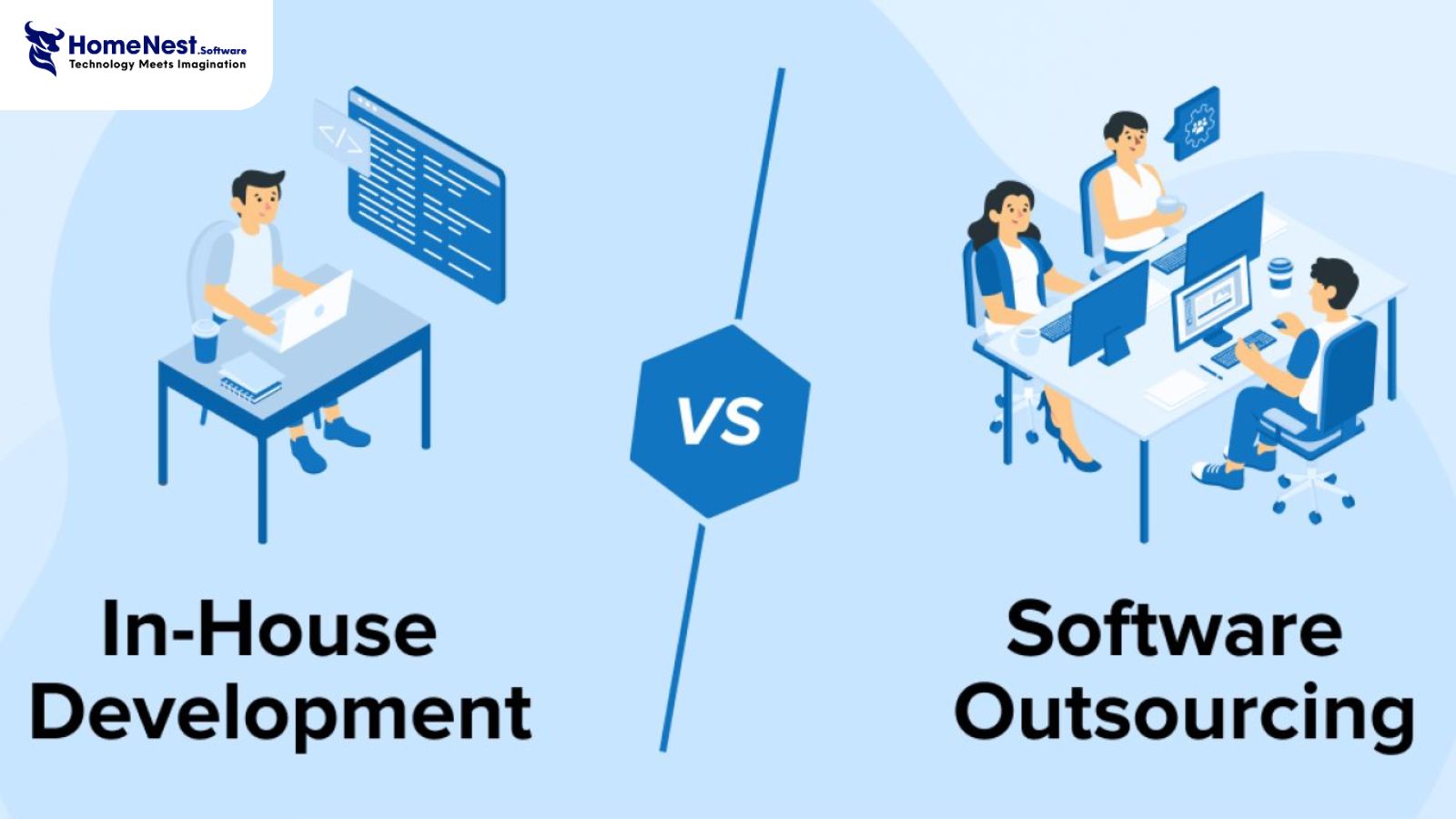
In House, Outsourced, or Hybrid: Which Saves More?
Your team structure has a major impact on both upfront development costs and long term operational expenses.
In House Team
Hiring internally gives you maximum control, but it’s the most expensive option.
A senior fintech developer in the U.S. earns $150,000–$200,000/year, and when you include benefits, taxes, equipment, recruiting, and office overhead, total costs rise 25–40% higher.
This approach is best for long term product development but requires significant ongoing investment.
Outsourced Team
Working with a mobile app development agency turns fixed costs into variable ones.
You only pay for the project duration and ongoing maintenance is optional.
Outsourcing is ideal for:
-
Validating an idea
-
Building an MVP
-
Well scoped projects with clear timelines
It delivers high quality output without the burden of permanent salaries or overhead.
Hybrid Team
A hybrid model blends internal leadership with external execution.
It offers strategic control while keeping engineering costs manageable but requires strong coordination and communication across teams.
This model is best for companies with complex fintech products that need senior oversight plus scalable external resources.
Build Your Fintech App Within Budget
Partner with HomeNest Software to outsource your fintech development and get a secure, high quality application delivered on time, within budget, and guided by expert fintech engineers.
Smart Ways to Optimize Your Fintech App Budget
You can significantly reduce development costs without sacrificing quality by making smart, strategic decisions at every stage of the project.
1. Define Requirements Clearly
Vague or incomplete requirements are one of the biggest sources of rework and budget overruns. Invest time upfront to create:
-
Detailed specifications
-
User stories
-
Acceptance criteria
This clarity minimizes misunderstandings, prevents scope creep, and reduces costly changes during development.
2. Launch With Core Features First
Start with the essential functionality and expand later. A core feature MVP allows you to:
-
Validate product assumptions
-
Collect real user feedback
-
Start generating revenue sooner
-
Reduce initial investment and spread costs over time
This approach ensures you build what users actually need not what you assume they want.
3. Use Cross Platform Development
Frameworks like React Native and Flutter enable you to build for both iOS and Android using a single codebase, reducing mobile development costs by 30–40% compared to separate native apps.
4. Leverage Pre Built SDKs & APIs
Many fintech components are already available as plug and play solutions:
-
Authentication & MFA
-
KYC/AML verification
-
Payment processing
-
Fraud detection
While these tools come with licensing fees, they are far more cost effective than developing and maintaining custom solutions from scratch.
5. Build for Scalability Wisely
Planning for future growth early reduces the risk of expensive rebuilds. A scalable architecture may cost more upfront but saves substantial time and money once your user base expands.
When Will My Fintech App Break Even?
Fintech apps generate revenue through several channels, including:
-
Transaction fees (percentage per payment, transfer, or trade)
-
Subscription plans (monthly/annual premium tiers)
-
Interchange fees (revenue share from card transactions)
-
Interest income (loans, deposits, lending spreads)
-
Premium upgrades via freemium models
Most fintech apps reach break even within 18–36 months, though timelines vary depending on:
-
User acquisition costs
-
Monetization strategy
-
Market competitiveness
-
Regulatory requirements
-
Strength of network effects
Apps that achieve strong adoption early or benefit from network effects often scale faster and shorten the break even period significantly.
Partner With Fintech Experts Who Understand Your Challenges
Building a fintech app is far more complex than standard software development. You need a partner who understands payment systems, multi region regulatory compliance, real time financial infrastructure, advanced security frameworks, and scalable architecture. That’s where HomeNest Software comes in.
With years of hands on fintech experience, we’ve delivered solutions across payments, lending, investment platforms, and cryptocurrency ecosystems achieving a 98% client satisfaction rate with clients worldwide.
Our team of 100+ specialized developers is dedicated to building secure, reliable, and high performance fintech applications that support even the most complex financial operations. Below are some examples of our work:
Whether you’re a startup entering the fintech space, an entrepreneur validating a concept, or a financial institution modernizing your digital ecosystem, we’re here to help you succeed.
Contact HomeNest Software today for a free consultation and inquire about our all inclusive App Design package offers!
HomeNest Software – Empowering Long Term Growth for Modern Businesses.

Contact Information:
- Address: The Sun Avenue, 28 Mai Chi Tho Street, Binh Trung Ward, Ho Chi Minh City
- Hotline: +84 898 994 298 ( WhatsApp )
- Website: homenest.software
FAQ
1. Why should I work with a specialized fintech development partner instead of a general software agency?
Fintech apps require advanced security, regulatory compliance, and financial infrastructure knowledge. A general agency may deliver an app but a fintech focused team ensures compliance, risk management, and seamless integrations with banking, payments, and KYC/AML systems.
2. How long does it take to build a fintech app with HomeNest Software?
Most fintech apps take 4–10 months, depending on complexity.
-
MVP: 2–4 months
-
Standard fintech product: 5–8 months
-
Enterprise grade platform: 8–14 months
3. What industries does HomeNest Software serve within fintech?
We build solutions across:
-
Payments & digital wallets
-
BNPL & lending platforms
-
Investment & trading apps
-
Cryptocurrency wallets & exchanges
-
Personal finance management (PFM)
-
Neobanking & digital banking
4. Does HomeNest Software work with early stage startups?
Yes. We work with founders validating ideas, seed stage startups, and funded companies scaling globally. We help early stage teams define scope, optimize cost, and build investor ready MVPs.
5. Can you integrate my app with banks or third party financial services?
Absolutely. We’ve integrated open banking APIs, Stripe, Plaid, Visa, Mastercard, blockchain networks, and multiple KYC/AML providers. We choose integrations based on your region, compliance, and product use case.
6. How do you ensure security in fintech applications?
We implement:
-
AES 256 & TLS 1.3 encryption
-
Biometric/MFA authentication
-
Fraud detection & anomaly monitoring
-
PCI DSS, GDPR, and SOC 2 aligned architecture
-
Secure DevOps + continuous testing
7. Does HomeNest Software offer post launch support?
Yes. We provide ongoing maintenance, feature upgrades, security patches, DevOps monitoring, and compliance updates to ensure your fintech product stays secure and scalable.
8. How much does it cost to hire HomeNest Software for fintech app development?
Costs vary based on complexity, but typical ranges include:
-
MVPs: $20,000–$50,000
-
Standard apps: $50,000–$120,000
-
Enterprise platforms: $120,000–$300,000+
We also provide custom estimates tailored to your scope.
9. Can you help with UI/UX design for fintech apps?
Yes, our team delivers modern, user friendly, conversion optimized fintech UI/UX with a focus on clarity, trust, and seamless financial workflows.
10. Do you offer NDA protection for fintech app ideas?
Absolutely. We sign NDAs before discussing project details to ensure full confidentiality and IP protection.
Latest Articles
View All
GitHub vs GitLab – Architecture and Selection Guide
Managing source code requires stable infrastructure. Automating software releases requires reliable pipelines. Tool sprawl creates operational complexity. Engineering teams face friction when using fragmented DevOps tools. Selecting between GitHub and GitLab shapes long term development efficiency.
The True Cost of an Employee: A Complete Breakdown for Employers
This article reveals that the true cost of an employee is typically 25% to 40% higher than their base salary due to hidden expenses like taxes, benefits, workspace, and recruiting. To address this, the guide provides a detailed 7-step framework to accurately calculate total employer costs, alongside actionable strategies to optimize budgets and improve retention without reducing pay.
Essential Tips To Develop A Music Streaming App
Discover expert tips to develop a successful music streaming app with HomeNest Software. This guide covers essential features, legal licensing, and scalable technology stacks. Learn how to build a robust, cross-platform application with AI personalization to stand out in the 2026 competitive audio market.

How to Build a Language Learning App Like Cake
Discover how to build a successful language learning app like Cake with this comprehensive guide from HomeNest Software. We explore market research, essential MVP features, advanced AI integrations, tech stack selection, and estimated development costs. Partner with HomeNest Software to create a scalable, gamified, and highly engaging educational platform tailored to your business goals. Start your app development journey with us today.
How to Build an App Like TaskRabbit: Features, Cost, Tech Stack – Business Model
Building an app like TaskRabbit is more than replicating existing features—it’s about creating a trusted marketplace that seamlessly connects customers with skilled service providers. By combining an intuitive user experience, secure payment systems, scalable architecture, and the right business model, you can launch a competitive on-demand platform. Partnering with an experienced app development company like HomeNest Software ensures your product is built with the technology, flexibility, and long-term scalability needed to succeed in the rapidly growing gig economy.
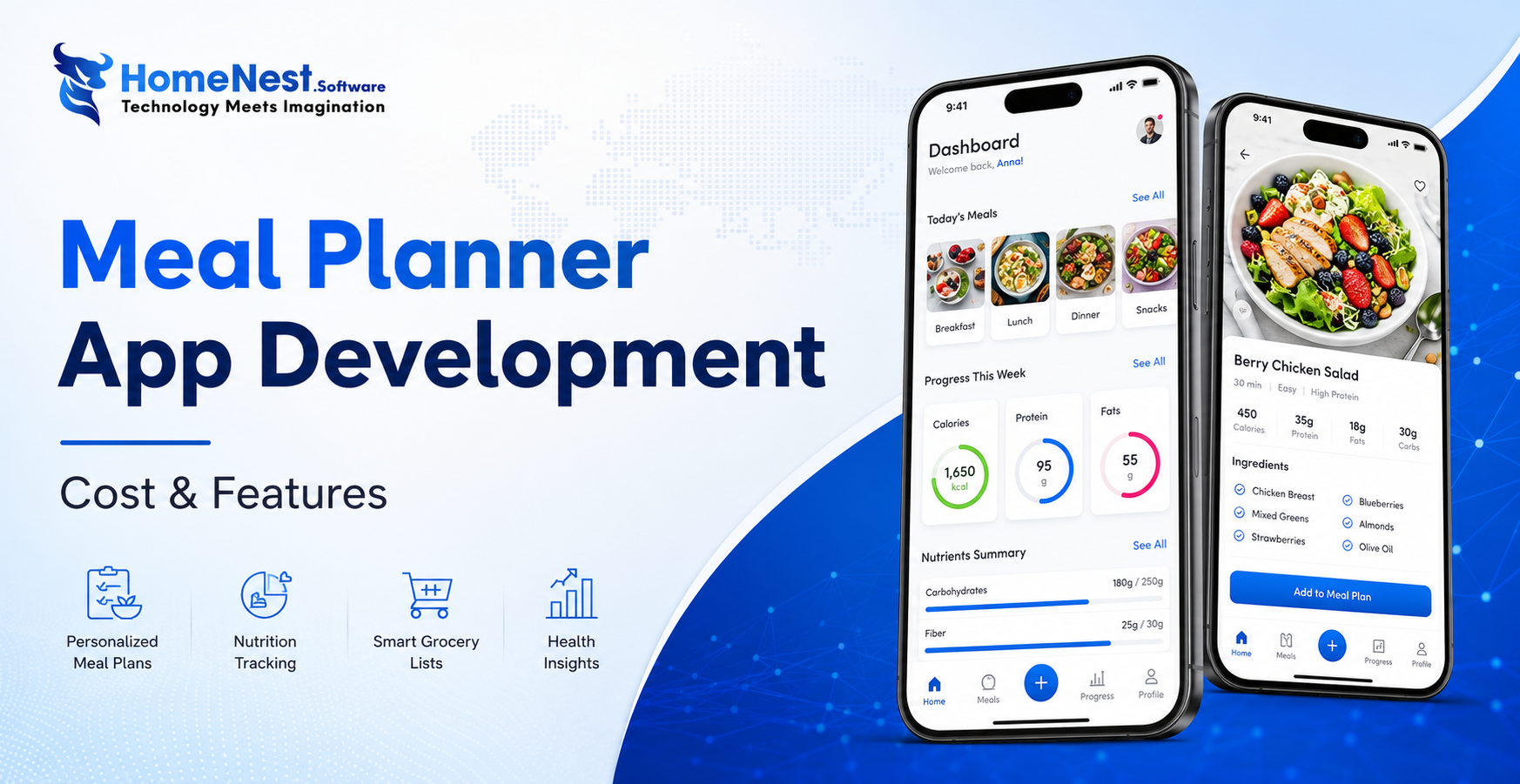
How to Build a Meal Planning App: A Complete Step-by-Step Guide
Building a successful meal planning app goes beyond creating an attractive interface it requires a clear business strategy, personalized user experiences, and scalable technology. By combining essential features like AI-powered meal recommendations, nutrition tracking, grocery list automation, and wearable integration, businesses can deliver lasting value to users while capitalizing on the growing digital health market. Partnering with an experienced mobile app development company ensures your solution is secure, future-ready, and designed to succeed in an increasingly competitive health-tech industry.