
Top 15 Software Development Methodologies in Singapore
There is no single methodology that guarantees success the real advantage lies in choosing and adapting the right approach for your context. High performing teams focus on aligning methodology with business goals, team capabilities, and project complexity, often combining multiple frameworks to balance speed, quality, and control. In 2026, the most successful organizations are those that treat methodologies as flexible strategies not rigid rules and continuously refine how they build, deliver, and scale software.
Scope of Work

Software development is evolving at a rapid pace, and selecting the right methodology can significantly impact the success of a project. The way teams plan, build, test, and deliver software directly influences cost, speed, quality, and collaboration especially in distributed environments with onshore and offshore teams.
This 2026 guide explores the top 15 software development methodologies, explaining how each approach works, when to use it, and how it compares to others. It also includes practical insights from real world project experience to help you choose the methodology that best aligns with your business goals.
Let’s explore the approaches shaping modern software development.
What Are Software Development Methodologies?
Software development methodologies are structured frameworks that guide how teams plan, build, test, and deliver software. Rather than relying on ad hoc processes, these methodologies provide a consistent and repeatable approach helping teams stay aligned, reduce risk, and deliver predictable outcomes.
At their core, methodologies define:
- How work is planned (e.g., sequential vs. iterative approaches)
- How teams collaborate (roles, workflows, and responsibilities)
- How requirements are managed (fixed vs. evolving scope)
- How quality is ensured (testing strategies and validation processes)
- How progress is tracked (sprints, milestones, or deliverables)
While each methodology such as Agile, Waterfall, Scrum, or DevOps has its own strengths and trade offs, they all share a common objective: to deliver high quality software efficiently and reliably.
Methodologies vs. SDLC: What’s the Difference?
It’s important to distinguish methodologies from the Software Development Life Cycle (SDLC):
- SDLC defines the “what” the stages every project goes through:
requirements → design → development → testing → deployment → maintenance - Methodologies define the “how” how those stages are executed in practice
In simple terms, SDLC is the framework of stages, while methodologies are the approach used to navigate them effectively.
Why Software Development Methodologies Matter
Software development methodologies bring structure, consistency, and clarity to the development process enabling teams to deliver software more efficiently and reliably. The right approach not only reduces risk but also improves collaboration and ensures alignment across all stakeholders, especially in distributed teams.
Key Benefits
- Predictability and Risk Reduction:
Well defined processes improve planning, estimation, and issue management minimizing unexpected delays and development risks. - Higher Quality Outcomes:
Standardized practices for requirements, development, and testing result in more stable, maintainable, and scalable software. - Faster Delivery and Greater Flexibility:
Iterative methodologies like Agile and DevOps enable continuous delivery, rapid feedback loops, and the ability to adapt quickly to changing requirements. - Better Alignment Across Distributed Teams:
Clear workflows, documentation, and communication practices help synchronize collaboration between onshore and offshore teams. - Improved Cost and Resource Control:
Structured methodologies reduce rework, enhance estimation accuracy, and help teams stay within budget while maximizing efficiency.
The right methodology is not just a process it is a strategic enabler that improves delivery speed, product quality, and team alignment, ultimately driving better business outcomes.
Top 15 Software Development Methodologies (2026 Update)
Choosing the right software development methodology is no longer just a technical decision it’s a strategic lever that directly impacts speed to market, product quality, team efficiency, and long term scalability. In 2026, high performing teams don’t just “follow a methodology” they leverage the right approach at the right time to stay competitive in increasingly fast moving digital environments.
Below is a deeper, more practical breakdown of the 15 most influential methodologies, including when they truly work and when they don’t.
Waterfall Model Control and Predictability First
The Waterfall model follows a strict, step by step process where each phase is completed before the next begins. It emphasizes planning, documentation, and predictability.
Best used when: requirements are fixed and unlikely to change
Why teams choose it: clear scope, easy governance, strong documentation
Where it fails: fast changing environments or innovation driven products
Think of Waterfall as a “blueprint first” approach great for control, but slow to adapt.
V Model Built for Precision and Compliance
The V Model extends Waterfall by aligning every development phase with a corresponding testing phase. It ensures validation is embedded from the start.
Best used when: failure is not an option (healthcare, finance, aviation)
Key strength: early defect detection and traceability
Trade off: extremely rigid and difficult to change mid way
Ideal for systems where quality > speed.
Agile The Foundation of Modern Development
Agile transforms development into short, iterative cycles with continuous feedback. It prioritizes working software over rigid planning.
Best used when: requirements evolve or are unclear
Key strength: adaptability, speed, collaboration
Trade off: requires strong team discipline and stakeholder involvement
Agile is not just a method it’s a mindset of continuous improvement.
Scrum Structured Agility for Teams
Scrum brings structure to Agile through sprints, roles, and ceremonies. Teams deliver incremental value every 1–4 weeks.
Best used when: teams need rhythm and transparency
Key strength: predictable delivery cycles
Trade off: can fail without strong product ownership
Scrum = Agile with discipline and cadence.
Kanban Flow Over Deadlines
Kanban focuses on continuous delivery and workflow optimization using visual boards and WIP limits.
Best used when: priorities change frequently
Key strength: flexibility and efficiency
Trade off: less structure, harder to enforce deadlines
Kanban is about flow, not sprints.
Extreme Programming (XP) Engineering Excellence
XP emphasizes code quality and technical discipline with practices like TDD, pair programming, and continuous integration.
Best used when: systems are complex and quality is critical
Key strength: fewer bugs, better maintainability
Trade off: requires highly skilled teams
XP is Agile at its most technical and rigorous level.
Lean Software Development Maximize Value, Minimize Waste
Lean focuses on eliminating anything that doesn’t add value. It’s about speed, efficiency, and continuous learning.
Best used when: resources are limited and speed matters
Key strength: faster delivery, less waste
Trade off: risk of under documentation
Lean asks one question constantly: “Does this create value?”
Spiral Model Risk Driven Development
The Spiral Model combines iteration with deep risk analysis at every cycle.
Best used when: projects are large, complex, or high risk
Key strength: proactive risk management
Trade off: costly and complex
Best for projects where uncertainty is the biggest risk.
DevOps From Code to Production, Faster
DevOps integrates development and operations through automation, CI/CD, and monitoring.
Best used when: continuous delivery is required
Key strength: faster releases, higher reliability
Trade off: requires tooling, culture shift, and investment
DevOps turns delivery into a continuous pipeline, not a one time event.
Iterative & Incremental Build, Learn, Improve
This model delivers software in small increments while continuously refining it.
Best used when: long term evolution is expected
Key strength: early delivery + reduced risk
Trade off: requires strong planning
A balanced approach between structure and flexibility.
Rapid Application Development (RAD) Speed Above All
RAD focuses on prototyping and rapid iteration with heavy user involvement.
Best used when: time to market is critical
Key strength: extremely fast development
Trade off: not suitable for complex systems
RAD is perfect for MVPs and fast validation.
Feature Driven Development (FDD) Build by Features
FDD organizes development around small, business value features.
Best used when: projects are large and structured
Key strength: scalability and clarity
Trade off: requires strong domain expertise
FDD keeps teams focused on what users actually care about.
Scaled Agile Framework (SAFe) Agile at Enterprise Scale
SAFe enables organizations to coordinate multiple Agile teams under one structure.
Best used when: large enterprises scale Agile
Key strength: alignment across teams and strategy
Trade off: complex and heavy
SAFe is Agile but with enterprise governance.
Dynamic Systems Development Method (DSDM) Agile with Control
DSDM adds governance, structure, and prioritization to Agile.
Best used when: organizations need control + flexibility
Key strength: strong alignment with business value
Trade off: requires high discipline
DSDM is Agile for structured environments.
Hybrid Agile–Waterfall (Wagile) The Real World Approach
Wagile blends Waterfall planning with Agile execution a practical compromise.
Best used when: organizations transition to Agile
Key strength: balance between control and flexibility
Trade off: requires strong coordination
This is how many real world companies actually operate: structured upfront, agile in execution.
There is no universal “best” methodology. The highest performing teams choose based on:
- Project complexity (simple vs enterprise)
- Speed vs control (Agile vs Waterfall)
- Team maturity (startup vs enterprise)
- Risk level (low vs mission critical)
In practice, the winning strategy is often not choosing one methodology but combining the right ones to fit your business, product, and team structure.
Comparing the Most Popular Methodologies
With so many software development methodologies available today, choosing the right one can quickly become complex. Each approach differs in delivery speed, flexibility, documentation level, and risk tolerance. The key is not to find a “perfect” methodology but to understand how each performs in real world scenarios and aligns with your business needs.
Below is a practical comparison of the most widely used methodologies in 2026, helping you quickly identify which approach fits your project type, team structure, and delivery goals.
Methodology Comparison Overview
| Methodology | Delivery Speed | Flexibility | Documentation Level | Best For | Limitations |
|---|---|---|---|---|---|
| Waterfall | Slow | Low | High | Fixed scope projects with stable requirements | Difficult to adapt to change |
| V Model | Slow | Low | Very High | Compliance driven or safety critical systems | Highly rigid, costly to modify |
| Agile | Fast | High | Medium | Evolving products, fast changing requirements | Requires strong stakeholder involvement |
| Scrum | Fast | High | Medium | Iterative product development with clear cadence | Needs disciplined roles and processes |
| Kanban | Continuous | High | Low–Medium | Ongoing operations, maintenance, DevOps | Harder to predict timelines |
| Extreme Programming (XP) | Fast | High | Medium | High quality engineering environments | Demands strong technical expertise |
| Lean | Fast | High | Low | Startups, rapid experimentation | Requires tight scope control |
| Spiral | Medium | Medium | High | Large, high risk or complex systems | Resource intensive and complex |
| Iterative & Incremental | Medium–Fast | High | Medium | Evolving mid size products | Risk of scope creep without clear vision |
| DevOps | Very Fast | High | Medium | Cloud native, continuous delivery systems | Requires investment in tooling and culture |
| RAD (Rapid Application Development) | Very Fast | High | Low | Prototyping, MVPs, fast validation | Needs highly engaged users |
| FDD (Feature Driven Development) | Medium | Medium | Medium | Feature centric, large scale systems | Less flexible for rapid changes |
| SAFe (Scaled Agile Framework) | Medium | Medium | High | Enterprise scale Agile transformation | Complex, high overhead |
| DSDM | Medium | High | Medium | Structured Agile with governance | Requires frequent user involvement |
| Hybrid (Wagile) | Medium | Medium | Medium–High | Projects blending fixed scope with Agile delivery | Can create confusion if poorly managed |
How to Read This Comparison
Instead of focusing on a single “best” option, use this table to evaluate trade offs:
- Need speed? → Agile, DevOps, RAD
- Need control and predictability? → Waterfall, V Model
- Need flexibility with structure? → Scrum, DSDM, Hybrid
- Scaling across teams? → SAFe
- High risk or complex systems? → Spiral
The most effective teams don’t rely on one methodology alone. They adapt based on context combining speed (Agile/DevOps), structure (Waterfall/SAFe), and efficiency (Lean/Kanban) to build a delivery model that fits their product, team maturity, and business goals.
Software Development Process (SDLC Overview)
The Software Development Life Cycle (SDLC) defines the essential stages that every software project goes through from initial idea to long term operation. While methodologies determine how teams execute, SDLC provides a clear view of what must happen at each stage to deliver a successful product.
Understanding SDLC is critical because it creates a shared structure across teams, stakeholders, and technologies, ensuring that nothing important is overlooked during development.
Core Stages of the SDLC
1. Requirement Analysis
This is the foundation of the entire project. Teams gather and refine business goals, user needs, and technical constraints to define what the system must achieve.
A well executed requirement phase reduces ambiguity, prevents rework, and ensures alignment between stakeholders and development teams.
2. System & Architecture Design
At this stage, the team translates requirements into a technical blueprint. This includes:
- System architecture and infrastructure
- UI/UX design and user flows
- Database structure and data models
- Technology stack selection
A strong design phase ensures scalability, performance, and long term maintainability.
3. Development
This is where ideas become reality. Engineers write code, build features, and integrate system components based on the design specifications.
Depending on the methodology (Agile, Scrum, etc.), this phase may happen iteratively or sequentially.
4. Testing & Quality Assurance
Before release, the system must be validated to ensure it works as expected. This includes:
- Functional testing
- Integration testing
- Performance and security testing
- Bug fixing and refinement
A robust QA process ensures stability, reliability, and a better user experience.
5. Deployment
The software is released into a production environment, making it available to end users.
This stage often involves:
- CI/CD pipelines
- Infrastructure setup
- Monitoring and rollback strategies
A smooth deployment minimizes downtime and reduces risk.
6. Maintenance & Continuous Improvement
After launch, development doesn’t stop. Teams continuously:
- Monitor system performance
- Fix bugs and issues
- Release updates and new features
This phase ensures the product evolves alongside user needs and business goals.
No matter which methodology you choose Agile, Waterfall, DevOps, or Hybrid the SDLC remains the underlying backbone. The difference lies in how each stage is executed, but the goal is always the same: deliver reliable, scalable, and high quality software from concept to continuous improvement.
How to Choose the Right Software Development Methodology
Choosing the right software development methodology is not about following trends it’s about selecting an approach that aligns with your project goals, constraints, and team capabilities. The effectiveness of any methodology depends on how well it fits your requirements, delivery speed, and organizational structure.
Below are the key factors to evaluate when selecting the most suitable approach:
Requirement Clarity
The level of clarity in your requirements is one of the most important decision drivers.
- If requirements are fixed and well defined, structured models like Waterfall or V Model provide predictability and control.
- If requirements are evolving or uncertain, Agile or Iterative approaches offer the flexibility needed to adapt quickly.
Project Size and Complexity
Different methodologies scale differently depending on project scope.
- Large, complex, or multi team projects benefit from structured or scaled frameworks like SAFe, V Model, or Hybrid models.
- Small to mid sized teams often perform better with Agile based approaches such as Scrum, Kanban, or XP.
Stakeholder Availability
The level of stakeholder involvement directly impacts methodology choice.
- Agile methods require continuous feedback and active participation from stakeholders.
- If stakeholders have limited availability, methodologies with strong upfront planning and documentation may be more suitable.
Timeline and Budget Constraints
Your delivery expectations will shape the approach.
- If predictability is critical, Waterfall or Hybrid models help maintain fixed timelines and budgets.
- If speed and early releases are priorities, Agile, DevOps, or RAD enable faster iteration and time to market.
Team Structure (Onshore and Offshore)
For distributed teams, coordination becomes a key factor.
- Offshore or cross border teams require clear communication, structured workflows, and defined handovers.
- Hybrid Agile or Scrum with strong governance is often the most effective setup.
Compliance and Risk Level
Projects in regulated industries require stricter controls.
- Sectors like finance, healthcare, or government benefit from methodologies such as V Model or Spiral, which emphasize validation, documentation, and risk management.
Team Maturity and Skill Set
The experience level of your team determines how advanced your methodology can be.
- Mature teams can successfully adopt DevOps, XP, or Lean practices.
- Less experienced teams may need the structure and guidance of Scrum or Waterfall to maintain consistency.
There is no one size fits all methodology. The most successful organizations choose based on context not popularity. In many cases, combining elements from multiple methodologies creates a more practical and effective delivery model tailored to real world conditions.
How Offshore Software Teams Adapt Methodologies

Offshore development introduces additional complexity time zone differences, communication gaps, and varying levels of process maturity. As a result, high performing offshore teams don’t simply follow a methodology they adapt and optimize it to ensure alignment, clarity, and consistent delivery across distributed environments.
Stronger Emphasis on Documentation
In offshore setups, clear documentation is critical. Teams invest more effort in refining:
- User stories and acceptance criteria
- Technical specifications and system flows
This reduces ambiguity, minimizes back and forth communication, and ensures everyone stays aligned despite time zone differences.
More Structured Communication Rituals
Consistent communication becomes a core success factor. Offshore teams rely on:
- Daily standups for progress alignment
- Weekly sprint reviews for stakeholder visibility
- Retrospectives to continuously improve processes
To bridge time gaps, teams often record demos and updates, ensuring all stakeholders can review progress asynchronously.
Hybrid Agile Approaches
Many offshore teams adopt a hybrid model, combining Agile flexibility with structured planning elements.
This allows them to:
- Maintain adaptability during development
- Provide predictable timelines and cost control
This balance is especially important for clients who require both transparency and delivery certainty.
Tools That Enable Distributed Collaboration
Modern tooling plays a key role in bridging distance and maintaining real time visibility. Common tools include:
- Project management: Jira, ClickUp
- Documentation: Confluence, Notion
- Collaboration: Miro, Slack
- Development & CI/CD: GitHub, GitLab, automated pipelines
These tools ensure transparency, traceability, and seamless collaboration across teams.
Offshore success is not about the methodology itself it’s about how well it is adapted to distributed collaboration. Teams that prioritize documentation, structured communication, and the right tooling can deliver with the same speed and quality as co located teams.
Why HomeNest Software Is a Trusted Software Development Partner
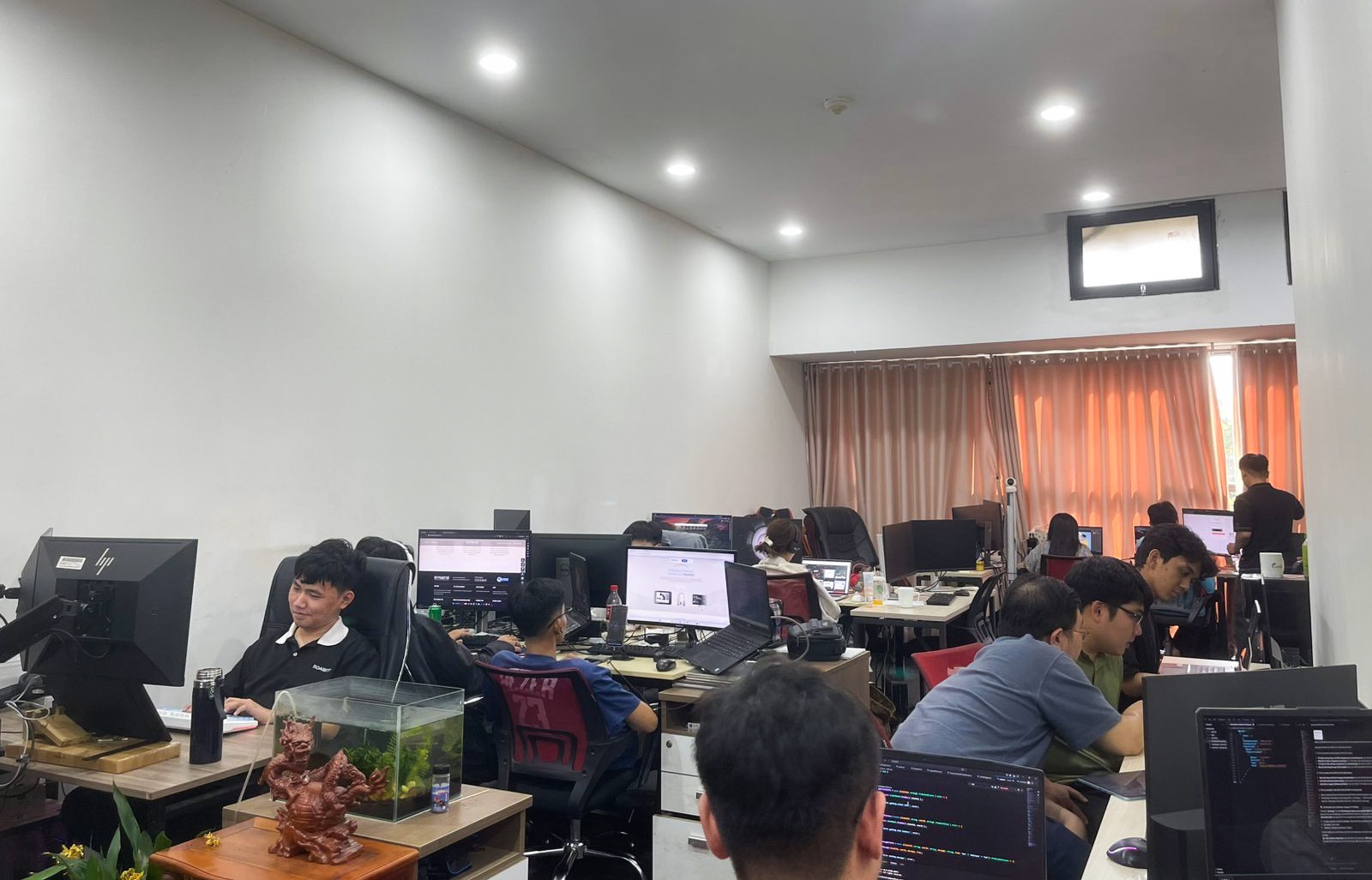
HomeNest Software is a trusted partner for businesses seeking reliable, scalable, and transparent software delivery. Our strength lies in combining disciplined execution with the flexibility needed to support modern digital products.
Deep Expertise Across Modern Methodologies
We work across a wide range of methodologies including Agile, Scrum, DevOps, and hybrid models adapting each approach to match project complexity, compliance requirements, and business objectives. This ensures every project follows a process that is both efficient and fit for purpose.
Proven Experience in Cross Border Delivery
With extensive experience delivering projects for global clients, we understand how to structure workflows that overcome offshore challenges such as communication gaps, time zones, and coordination complexity. Our delivery model is designed for consistency and alignment across distributed teams.
Dedicated BA and Scrum Master Support
Every project is supported by experienced Business Analysts and Scrum Masters who ensure:
- Clear requirement definition and documentation
- Well managed backlogs and sprint planning
- Smooth communication between stakeholders and development teams
This reduces ambiguity and keeps projects moving efficiently.
Strong Engineering and Quality Culture
Our teams follow best practices across the entire development lifecycle, including:
- Rigorous QA processes
- CI/CD pipelines and automation
- Code reviews and performance optimization
- DevOps driven delivery
This results in higher quality software, reduced risk, and faster release cycles.
Transparency and Predictable Execution
We prioritize full visibility throughout the project. Clients have access to:
- Real time progress tracking
- Sprint reports and delivery metrics
- Risk monitoring and quality insights
- Continuous demos and feedback loops
This ensures predictable outcomes and informed decision making at every stage.
A strong software partner is not defined by technology alone, but by execution discipline, communication clarity, and the ability to adapt processes to real business needs all of which are essential for delivering successful software at scale.
Trends Shaping Software Development Methodologies in 2026
Software development methodologies are evolving rapidly, influenced by advances in AI, automation, security, and distributed collaboration. In 2026, the focus is no longer just on how software is built but on how teams can deliver faster, safer, and at scale.
AI Assisted Development Becomes Mainstream
AI is fundamentally changing how teams work. From code generation and automated testing to documentation and refactoring, AI powered tools are accelerating every stage of development.
As a result, methodologies are becoming more data driven, automated, and efficient, enabling teams to shorten development cycles while maintaining quality.
DevSecOps Becomes the New Standard
Security is no longer a final step it is embedded throughout the entire development lifecycle.
With DevSecOps, practices like SAST, DAST, and automated compliance checks are integrated directly into CI/CD pipelines. This “shift left” approach ensures vulnerabilities are detected early, reducing risk and improving overall system resilience.
Hybrid Methodologies Gain Momentum
Organizations are increasingly combining methodologies rather than relying on a single approach.
By blending Agile flexibility with Waterfall style planning and governance, companies can balance speed with control especially in environments that require both innovation and compliance.
Scaling Agile Across the Enterprise
As systems grow more complex, enterprises are adopting frameworks like SAFe and LeSS to coordinate multiple teams working on interconnected products.
These frameworks provide structure for aligning business strategy with technical execution, enabling large organizations to scale Agile practices effectively.
MLOps Emerges for AI Driven Systems
With the rise of AI powered applications, traditional development practices are no longer enough.
MLOps introduces new standards for:
- Model training and versioning
- Continuous deployment of AI models
- Monitoring model performance in production
This ensures AI systems remain reliable, scalable, and continuously improving.
In 2026, methodologies are no longer static frameworks they are adaptive systems shaped by automation, AI, and scale. Organizations that embrace hybrid approaches, integrate security early, and leverage AI driven workflows will gain a significant competitive advantage in software delivery.
Conclusion
Software development methodologies continue to evolve as teams demand faster delivery, higher quality, and stronger alignment across distributed environments. There is no one size fits all approach each methodology comes with its own strengths, limitations, and ideal use cases. The key is understanding these trade offs and selecting a framework that aligns with your project goals, team structure, technical complexity, and level of requirement stability.
In practice, successful teams focus less on rigidly following a single methodology and more on adapting the right approach to fit real world conditions whether that means Agile for flexibility, DevOps for speed, V Model for compliance, or a hybrid model for balance.
For organizations working with distributed or offshore teams, choosing the right methodology becomes even more critical. It directly impacts communication clarity, execution consistency, and delivery predictability.
With deep experience across multiple methodologies, HomeNest Software helps businesses design and implement the right delivery approach ensuring software projects are executed efficiently, transparently, and with confidence.
FAQs
What is a software development methodology?
A software development methodology is a structured approach that defines how teams plan, build, test, and deliver software. It provides a clear framework to improve collaboration, reduce risk, and ensure consistent results.
What is the difference between SDLC and methodology?
- SDLC (Software Development Life Cycle) defines the stages of development (requirements → design → development → testing → deployment → maintenance)
- Methodology defines how those stages are executed (e.g., Agile, Waterfall, DevOps)
In simple terms: SDLC is the “what”, methodology is the “how.”
Which software development methodology is best?
There is no single “best” methodology. The right choice depends on:
- Project complexity
- Requirement stability
- Team size and experience
- Timeline and budget constraints
For example:
- Agile → best for flexibility
- Waterfall → best for fixed scope
- DevOps → best for continuous delivery
When should I use Agile vs Waterfall?
- Use Agile when requirements are evolving, and you need fast iteration and feedback
- Use Waterfall when requirements are clearly defined, and predictability is critical
What is the most popular methodology in 2026?
Agile (including Scrum and Kanban) remains the most widely adopted methodology, often combined with DevOps practices for faster and more reliable delivery.
Can I combine multiple methodologies?
Yes. Many organizations use hybrid approaches (e.g., Agile + Waterfall, Agile + DevOps) to balance flexibility with structure. This is especially common in enterprise and offshore projects.
Which methodology is best for startups?
Startups typically benefit from:
- Agile (Scrum or Kanban)
- Lean development
- RAD (Rapid Application Development)
These approaches allow fast iteration, quick validation, and lower initial cost.
Which methodology is best for large enterprises?
Large organizations often use:
- SAFe (Scaled Agile Framework)
- Hybrid Agile–Waterfall
- DevOps at scale
These provide structure, governance, and coordination across multiple teams.
How do offshore teams choose methodologies?
Offshore teams usually adapt methodologies by:
- Increasing documentation and clarity
- Using structured communication rituals
- Applying hybrid models for predictability
- Leveraging tools for collaboration
The goal is to ensure alignment despite distance and time zone differences.
How does methodology impact project cost?
The chosen methodology affects:
- Development speed
- Risk of rework
- Resource allocation
- Communication overhead
For example, Agile may reduce risk but increase variability, while Waterfall offers predictability but less flexibility.
Is DevOps a methodology or a practice?
DevOps is both a methodology and a cultural practice that integrates development and operations through automation, CI/CD, and continuous monitoring to improve delivery speed and reliability.
Latest Articles
View All
How to Build an App Like TaskRabbit: Features, Cost, Tech Stack – Business Model
Building an app like TaskRabbit is more than replicating existing features—it’s about creating a trusted marketplace that seamlessly connects customers with skilled service providers. By combining an intuitive user experience, secure payment systems, scalable architecture, and the right business model, you can launch a competitive on-demand platform. Partnering with an experienced app development company like HomeNest Software ensures your product is built with the technology, flexibility, and long-term scalability needed to succeed in the rapidly growing gig economy.
How to Build a Meal Planning App: A Complete Step-by-Step Guide
Building a successful meal planning app goes beyond creating an attractive interface it requires a clear business strategy, personalized user experiences, and scalable technology. By combining essential features like AI-powered meal recommendations, nutrition tracking, grocery list automation, and wearable integration, businesses can deliver lasting value to users while capitalizing on the growing digital health market. Partnering with an experienced mobile app development company ensures your solution is secure, future-ready, and designed to succeed in an increasingly competitive health-tech industry.

How Much Does It Cost to Build a Shopping App Like Temu?
Temu’s meteoric rise to over 900 million global downloads proves the power of combining AI, gamification, and social commerce, but building a similar viral shopping platform requires careful financial and technical planning. Developing an app like Temu typically costs anywhere from $40,000 for a basic Minimum Viable Product (MVP) to over $300,000 for a fully-featured platform. This guide breaks down every cost category, analyzes the core features driving Temu’s success, highlights the best technology stacks, and offers practical strategies to optimize your development budget without compromising on quality.

Criteria For Choosing The Right App Design Agency
UI/UX design is the logical foundation of a system, not merely a visual element. Choosing the wrong partner will directly lead to technical debt, budget overruns, and disruptions in the development process. This article provides a 6-step evaluation framework and a list of operational risks, helping businesses eliminate subjective design advice and accurately assess agency capabilities based on developer handoff standards and practical business performance.

How Does AI in Banking Industry Impact the Future?
Artificial intelligence (AI) has transitioned from a supplementary tool to a core infrastructure of financial data management, optimizing profitability through real-time fraud detection, natural language processing (NLP), and high-speed credit scoring models. “Deploying AI in the financial sector requires more than just algorithmic accuracy, it demands a highly secure cloud architecture and rigorous data governance,” commented Nguyen Tien, co-founder of HomeNest Software. Why read this guide? We skip the theoretical jargon to focus entirely on technical implementation. Whether you’re evaluating a vendor or planning a system overhaul, this article will detail: Operational Efficiency: Automating unstructured data workflows at scale. Risk Architecture: Implementing real-time threat detection and AML compliance. Data ownership: The essential need for 100% ownership of the source code to ensure full algorithm auditability.

How to Make a Banking App like Bank of America?
Developing a mobile banking application like Bank of America extends far beyond basic UI design; it requires engineering a fault-tolerant backend capable of real-time ledger synchronization, biometric authentication, and high-volume data processing under strict regulatory frameworks. Drawing from HomeNest Software’s deep experience in architecting enterprise-grade fintech solutions, this guide strips away theoretical jargon to focus entirely on operational and technical execution. What you will find in this guide: We break down the precise development roadmap, from mapping out microservices and ensuring PCI-DSS compliance to estimating MVP development costs and securing absolute data sovereignty through 100% source code ownership. If you are preparing to build, scale, or audit a financial platform, this blueprint provides the exact framework you need.