
Best Uber Alternatives to Try
The ride hailing market in 2026 is more competitive than ever, offering a wide range of Uber alternatives with better pricing, localized services, and innovative features. Choosing the right platform depends on factors like coverage, safety, pricing transparency, and user experience. For businesses, success lies in building scalable, user centric solutions with strong monetization strategies ensuring long term growth in the evolving mobility ecosystem.
Scope of Work
The ride hailing industry remains one of the most profitable segments in the tech landscape, with Uber long established as a dominant player. Its widespread adoption and extensive service offerings have made it a go to platform for millions of users worldwide. However, as user expectations evolve and experiences shift, many riders are now exploring alternatives that better align with their needs.
Today, it’s not just about finding another option it’s about discovering a new generation of ride hailing platforms that offer improved affordability, innovative features, and more personalized services. From cost effective rides to enhanced user experiences, these apps are redefining how people move.
In this article, we highlight the top Uber alternatives gaining traction across the United States. Each platform is evaluated based on its features, pricing model, and unique value proposition helping you identify the best option for your travel preferences.
Why Look for Alternatives to Uber?
The ride hailing market is evolving rapidly, with a growing number of platforms offering compelling alternatives to Uber. As competition intensifies, these services are pushing boundaries in pricing, service quality, and overall user experience giving riders more value and flexibility than ever before.
This dynamic landscape is driving innovation while expanding the range of options available to users. By exploring Uber alternatives, you gain access to more tailored solutions whether it’s lower fares, better availability, or specialized services that align more closely with your travel preferences.
Top Reasons to Explore Uber Alternatives
Surge Pricing Concerns
Uber’s surge pricing can significantly increase ride costs during peak hours, making trips less predictable and often more expensive. Many alternative platforms offer more stable or transparent pricing models, helping users better manage their travel budgets especially for longer distances.
Stronger Regional Coverage
While Uber operates globally, its availability can vary by location. In some regions, local ride hailing apps provide better coverage, faster pickups, and more reliable service tailored to specific markets.
Improved Reliability and Customer Support
Due to its massive scale, Uber’s customer support can sometimes feel impersonal or slow. Smaller or regional alternatives often deliver more responsive service, quicker issue resolution, and a more user focused experience.
Ethical and Driver Centric Models
Uber has faced ongoing scrutiny regarding labor practices and driver welfare. Many alternative platforms prioritize fair pay, better working conditions, and enhanced safety standards allowing users to choose services that align with their values.
Top Uber Alternatives in 2026
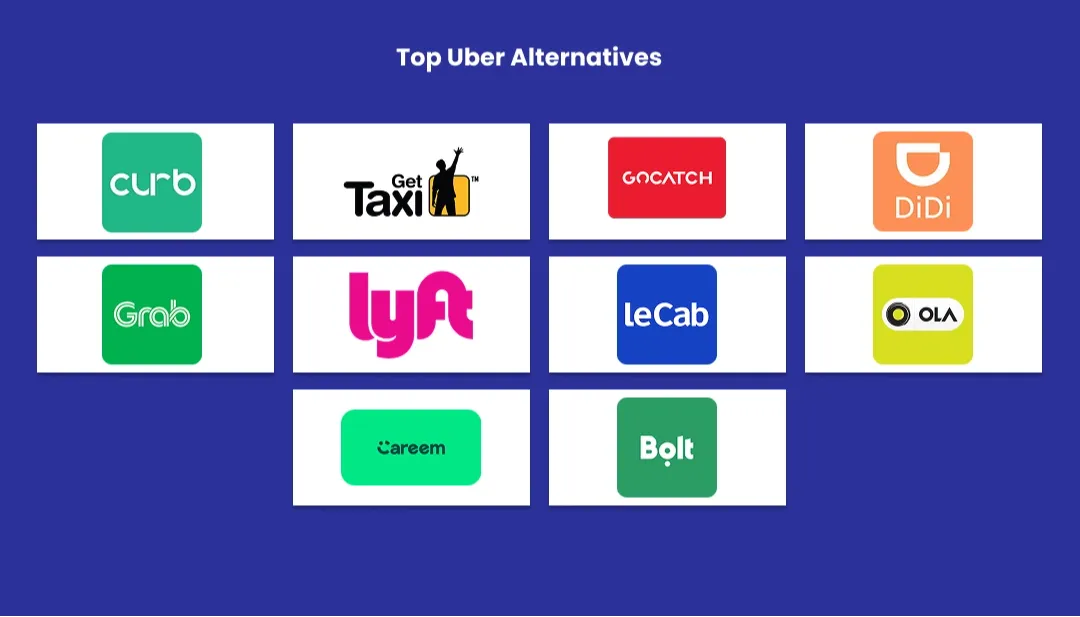
Here’s a refined breakdown of the leading Uber alternatives in 2026, highlighting their strengths, coverage, and unique value propositions:
Curb
Curb is a New York–based ride hailing platform that evolved from the merger of Taxi Magic and Way2Ride. It has grown into a robust taxi network, partnering with over 100,000 licensed drivers and facilitating millions of rides each month. The platform offers features such as wheelchair accessible vehicles, insured professional drivers, and reliable city based taxi services.
Gett
Founded in 2010 (originally “GetTaxi”), Gett is a well established ride hailing solution known for its reliability and convenience. It provides consistent service quality, 24/7 support, and a user friendly experience for both riders and drivers, making it a strong alternative in urban markets.
GOCatch
GOCatch is a leading taxi booking app in Australia, known for its safety and reliability. With millions of users and tens of thousands of registered drivers, the platform offers competitive pricing and even rewards users with discounts on rides helping it attract a loyal customer base.
Didi Chuxing
Didi Chuxing is one of the largest ride hailing platforms globally, operating across hundreds of cities. It offers a wide range of transportation services, including private rides, taxi hailing, bike sharing, and car rentals. With a massive user base, Didi continues to expand its presence beyond China into international markets.
Grab
Founded in Southeast Asia, Grab has evolved beyond ride hailing into a super app. In addition to transportation, it offers food delivery, grocery services, digital payments, and financial solutions making it a comprehensive mobility and lifestyle platform.
Lyft
Lyft is a major ride hailing provider in North America, known for its strong presence in the United States and Canada. Beyond rides, it offers services like bike sharing, rentals, and more. Transparent pricing and a focus on user experience have helped Lyft remain a key competitor in the market.
LeCab
LeCab is a France based private taxi service offering premium features such as fixed pricing, advance booking, and airport pickup services with personalized touches. Its focus on quality and convenience makes it a preferred choice in European markets.
Ola Cabs
Ola is a global ride hailing platform and one of Uber’s biggest competitors, especially in India. It offers a wide range of vehicle options from budget friendly rides to premium cars catering to different user needs with an intuitive and easy to use interface.
Careem
Careem is a leading ride hailing platform in the Middle East and North Africa (MENA) region. It provides multiple services, including ride booking, bike sharing, and payments, with strong regional coverage and localized user experience.
Bolt
Bolt is a fast growing ride hailing app known for its affordability and quick pickups. With a large driver network and a simple, intuitive interface, Bolt is a popular choice for users seeking efficient and cost effective transportation.
These platforms demonstrate how the ride hailing industry is evolving beyond a single dominant player. By exploring these alternatives, users can find services that better match their budget, location, and expectations for convenience and innovation.
How to Choose the Best App Like Uber
Selecting the right ride hailing app whether for business or personal use requires a structured evaluation of performance, reliability, scalability, and user experience. The ideal platform should align with your market needs, budget, compliance requirements, and long term goals while delivering a seamless and secure experience.
Coverage, Reliability, and ETAs
Start by assessing service availability in your target cities. Evaluate average wait times, pickup reliability, and ETA accuracy especially during peak hours. High performing platforms typically offer sub 5 minute pickups in urban areas and maintain stable service levels even during congestion. Also, review performance in key scenarios such as airport pickups, late night rides, and high demand zones.
Pricing Transparency and Surge Control
Transparent pricing is critical for building user trust. Look for apps that provide upfront fare estimates with clear breakdowns of distance, time, taxes, and additional fees. Well managed surge pricing mechanisms, combined with promotions and loyalty programs, help balance demand without frustrating users or impacting retention.
Safety and Trust Features
Safety should be a non negotiable priority. Ensure the platform includes verified driver onboarding, background checks, real time trip sharing, SOS features, and robust rating systems. Additional layers like call masking, number anonymization, and live location sharing further enhance user confidence especially for new users and late night travel.
Payments, Wallets, and Compliance
A strong payment ecosystem is essential. The app should support multiple payment methods, including cards, digital wallets, local payment rails, and cash where applicable. Compliance with standards like PCI DSS, along with features such as tokenization and secure authentication (e.g., 3DS), ensures transaction safety. For business use, features like invoicing, tax compliance (GST/VAT), and expense tracking are equally important.
Maps, Routing, and Accuracy
Accurate navigation directly impacts user experience and operational efficiency. Look for platforms with high precision geocoding, real time traffic updates, optimized routing, and intelligent pickup point detection especially in complex locations like airports or malls. Features like multi stop trips and dynamic rerouting improve both rider convenience and driver earnings.
Scalability, Operations, and Total Cost of Ownership
For businesses, scalability and operational control are key. Evaluate admin dashboards, fleet management tools, driver incentive systems, and promotional engines. A modular architecture allows you to expand services (e.g., bikes, rentals, intercity travel) as your platform grows. When comparing solutions, consider the total cost of ownership (TCO) including development, maintenance, and integrations rather than just upfront costs.
By carefully evaluating these factors, you can choose a ride hailing solution that delivers reliability, scalability, and a superior user experience while aligning with your strategic and financial objectives.
Final Thoughts
In this guide, we’ve explored the top Uber alternatives to consider in 2026, along with the key reasons behind their growing popularity and the criteria for choosing the right platform. From pricing transparency and regional coverage to safety features and scalability, each factor plays a crucial role in selecting the best ride hailing solution for your needs.
As a leading taxi app development company, HomeNest Software is committed to helping businesses build high performance, scalable ride hailing applications. Whether you’re launching a new platform or enhancing an existing one, our team delivers custom solutions tailored to your business goals empowering you to compete and succeed in the evolving mobility market.
FAQs
1. What are the best Uber alternatives in 2026?
Top alternatives include Lyft, Bolt, Grab, Didi, Ola, Careem, and Curb. Each platform offers unique advantages in pricing, regional coverage, and service features.
2. Why should I consider alternatives to Uber?
Uber alternatives may offer lower prices, better local coverage, improved customer service, and more flexible features, depending on your location and needs.
3. Which ride hailing app is the cheapest?
Apps like Bolt, Ola, and some regional platforms often provide more competitive pricing than Uber, especially with fewer surge pricing fluctuations.
4. Are Uber alternatives safe to use?
Yes, most leading ride hailing apps include driver verification, GPS tracking, ride sharing features, and emergency support, ensuring a safe user experience.
5. Which app is best for international travel?
Platforms like Grab (Southeast Asia), Careem (Middle East), and Didi (Asia & global markets) are excellent choices depending on the region you are traveling to.
6. How do ride hailing apps make money?
They generate revenue through commission per ride, surge pricing, subscriptions, ads, and partnerships with drivers and businesses.
7. Can I build an app like Uber for my business?
Yes, businesses can develop custom ride hailing apps with features like real time tracking, payments, driver management, and scalable infrastructure.
8. How much does it cost to build an Uber like app?
The cost typically ranges from $5,000 to $20,000+, depending on features, complexity, and development approach.
9. What features should a ride hailing app include?
Essential features include user registration, real time GPS tracking, fare estimation, payment integration, driver management, and rating systems.
10. Why choose a professional taxi app development company?
A professional partner ensures scalability, security, faster time to market, and high quality user experience, helping your app compete effectively in the market.
Latest Articles
View All
Criteria For Choosing The Right App Design Agency
UI/UX design is the logical foundation of a system, not merely a visual element. Choosing the wrong partner will directly lead to technical debt, budget overruns, and disruptions in the development process. This article provides a 6-step evaluation framework and a list of operational risks, helping businesses eliminate subjective design advice and accurately assess agency capabilities based on developer handoff standards and practical business performance.

How Does AI in Banking Industry Impact the Future?
Artificial intelligence (AI) has transitioned from a supplementary tool to a core infrastructure of financial data management, optimizing profitability through real-time fraud detection, natural language processing (NLP), and high-speed credit scoring models. “Deploying AI in the financial sector requires more than just algorithmic accuracy, it demands a highly secure cloud architecture and rigorous data governance,” commented Nguyen Tien, co-founder of HomeNest Software. Why read this guide? We skip the theoretical jargon to focus entirely on technical implementation. Whether you’re evaluating a vendor or planning a system overhaul, this article will detail: Operational Efficiency: Automating unstructured data workflows at scale. Risk Architecture: Implementing real-time threat detection and AML compliance. Data ownership: The essential need for 100% ownership of the source code to ensure full algorithm auditability.
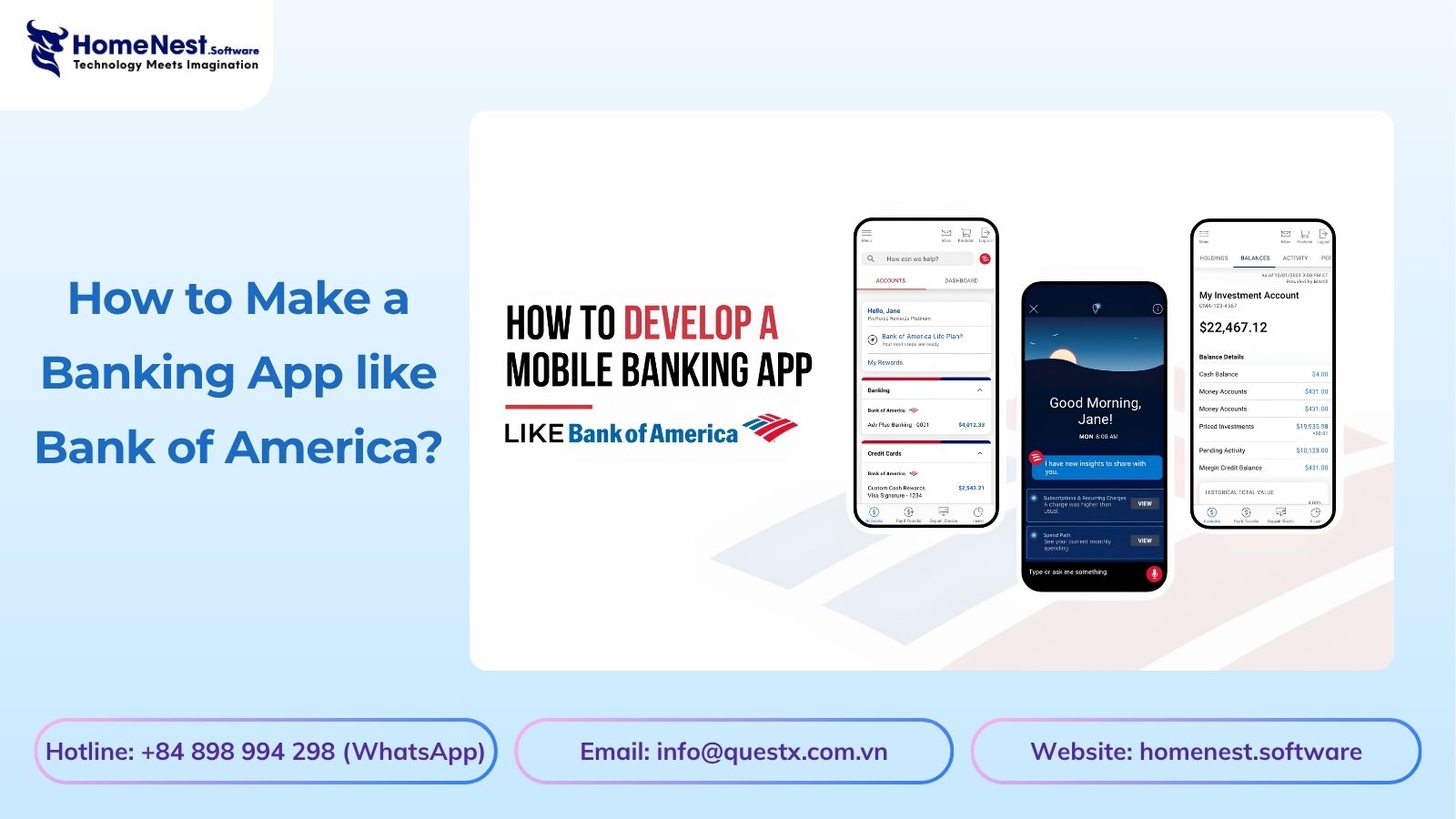
How to Make a Banking App like Bank of America?
Developing a mobile banking application like Bank of America extends far beyond basic UI design; it requires engineering a fault-tolerant backend capable of real-time ledger synchronization, biometric authentication, and high-volume data processing under strict regulatory frameworks. Drawing from HomeNest Software’s deep experience in architecting enterprise-grade fintech solutions, this guide strips away theoretical jargon to focus entirely on operational and technical execution. What you will find in this guide: We break down the precise development roadmap, from mapping out microservices and ensuring PCI-DSS compliance to estimating MVP development costs and securing absolute data sovereignty through 100% source code ownership. If you are preparing to build, scale, or audit a financial platform, this blueprint provides the exact framework you need.
Banking App Development Cost
Building a banking application is rarely a simple process; it’s a complex technical challenge requiring a balance between complying with stringent financial regulations, handling large transaction volumes, and a scalable cloud architecture. Miscalculating these technical requirements from the outset often leads to significant technical debt and budget overruns. Based on HomeNest Software’s practical experience in designing enterprise-grade fintech solutions, this guide bypasses generic estimates to provide a realistic analysis of banking application development costs. What you’ll find in this guide: We analyze the true cost factors, from technology selection and API integration to the hidden costs of regulatory compliance and security infrastructure. Whether you’re launching a minimum viable product or expanding an existing financial platform, this analysis provides the precise operational data you need to plan your budget effectively.
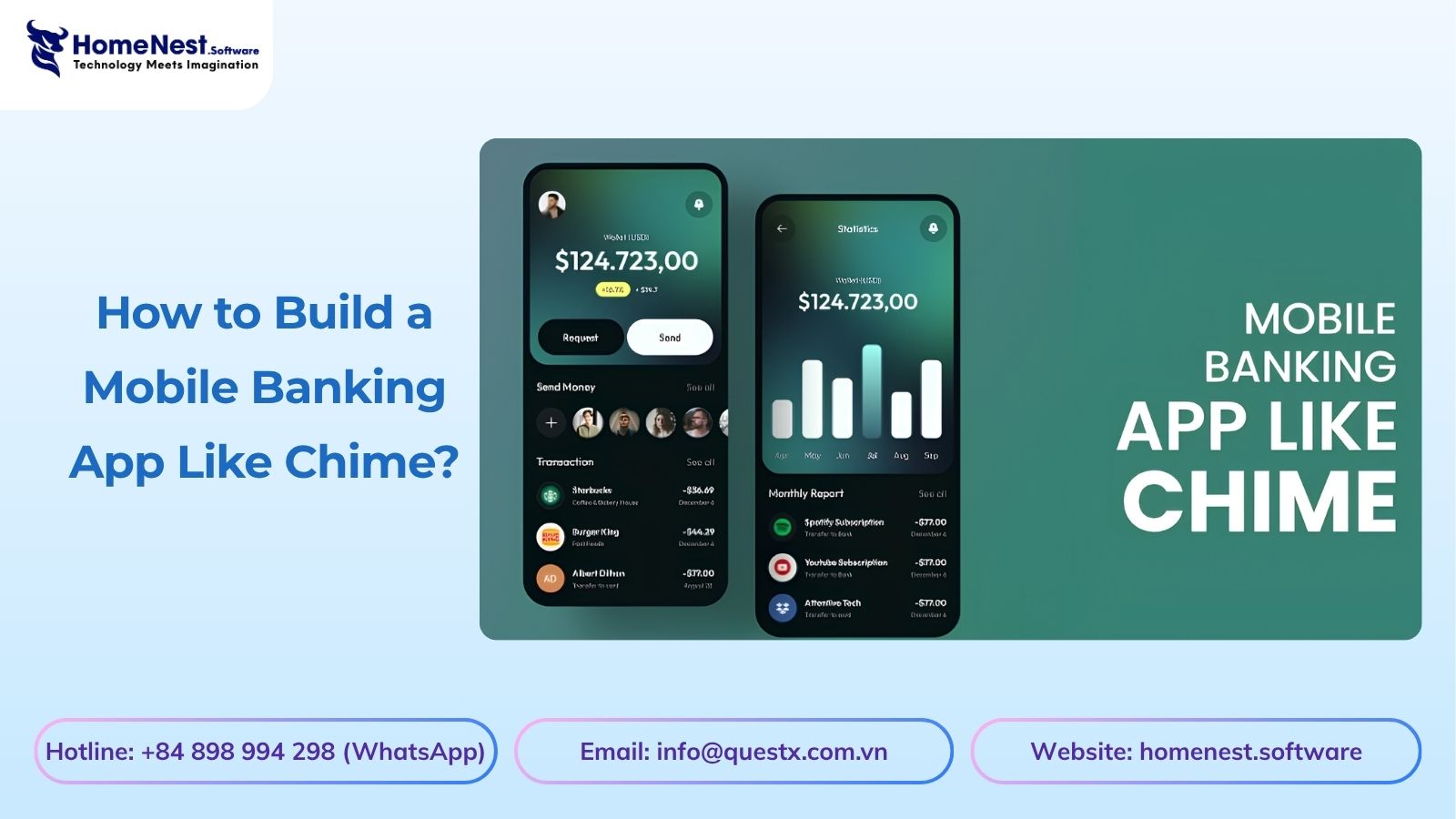
How to Build a Mobile Banking App Like Chime?
Building a mobile banking app like Chime is not just about features, it is about delivering a secure, scalable, and user-centric financial experience. From planning the right architecture to optimizing mobile banking app development cost, every decision directly impacts your product’s success. Leveraging Fintech app development services, starting with MVP app development, and scaling through on-demand app development solutions allows businesses to reduce risk and accelerate time to market. To stay competitive, combining Android app development services and iOS app development solutions ensures wider reach, while continuous updates through maintenance software development services keep your app secure and future-ready.
How to Build a Banking App Like Barclays: A Complete Entrepreneur’s Guide
Building a banking app like Barclays requires more than just development. It demands a strong product vision, secure architecture, and a clear monetization strategy. From optimizing cost and selecting the right tech stack to ensuring compliance and scalability, every decision impacts long-term success. Partnering with an experienced team like HomeNest Software helps accelerate development, reduce risks, and deliver a high-quality fintech product that can compete in today’s fast-evolving digital banking landscape.