
Food Delivery App Development Cost: Full Breakdown & Expert Insights
Scope of Work

Building a food delivery app is one of the smartest investments in today’s digital first economy and the market data proves it. According to Grand View Research, the global online food delivery market was valued at $288.84 billion in 2024 and is expected to reach $505.50 billion by 2030. With demand rising so quickly, understanding the true cost of food delivery app development is essential for proper planning and budgeting.
However, most founders and restaurant owners struggle with one key issue: getting an accurate estimate of the real investment required. High level guesses don’t help when you need a reliable financial plan, investor pitch, or internal budget approval.
At HomeNest Software, our experts specialize in building high performance food delivery platforms using modern, scalable technologies tailored to each client’s needs.
This complete guide breakdown the cost of food delivery app development from must have features and backend infrastructure to hidden expenses many teams overlook. You’ll learn exactly what drives costs, which components matter most, and where you can optimize your budget without compromising quality.
For reference, developing a fully functional food delivery app similar to well known global platforms typically requires a starting investment of $25,000 to $50,000. This budget covers:
-
A customer facing mobile app
-
A restaurant dashboard for menu and order management
-
A delivery driver app with navigation and route optimization
-
An admin panel for managing users, menus, payments, and operations
As a trusted food delivery app development partner, HomeNest Software will help you plan strategically, avoid unnecessary expenses, and build a scalable platform that grows with your business.
By the end of this guide, you’ll have a clear, realistic roadmap for building your food delivery app without overspending or cutting essential features.
Food Delivery App Development Cost Overview
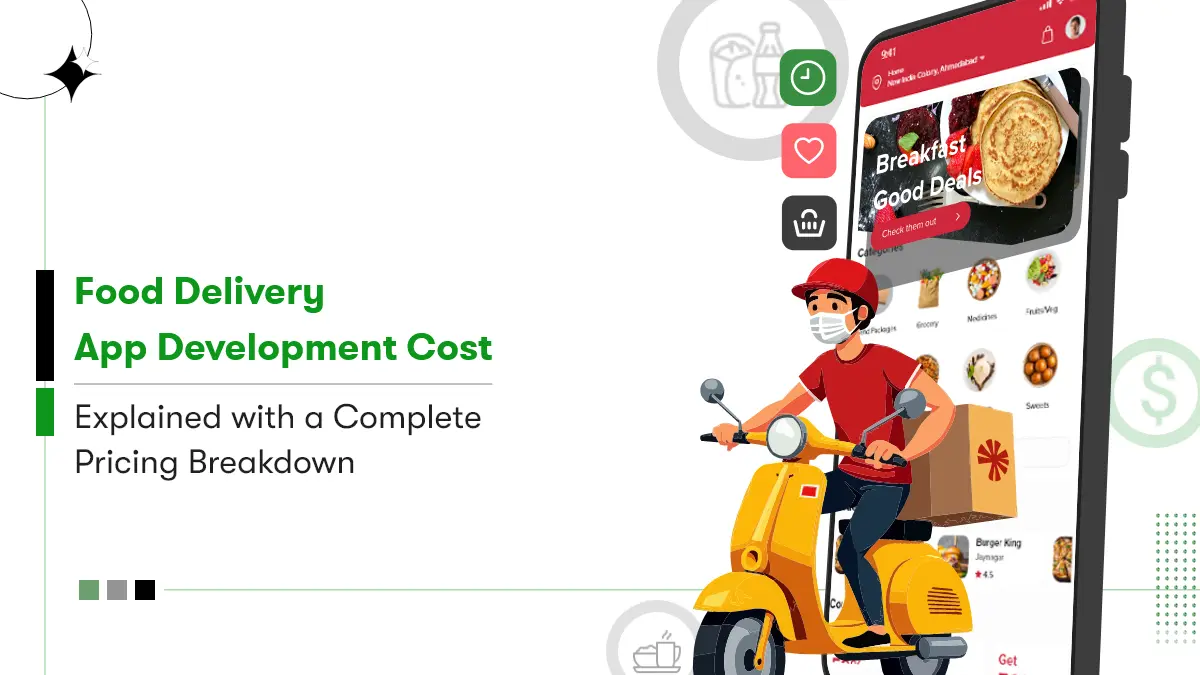
Understanding the cost of building a food delivery app starts with three big levers: app complexity, development region, and platform choice. Each one affects your budget, timeline, and long term scalability. Whether you’re building a new app from scratch or modernizing an existing solution, the ranges below give you realistic benchmarks.
1. Food Delivery App Costs by Complexity Level
Your app’s complexity is the single biggest cost driver. A basic app covers the essentials; advanced platforms add smart automation, AI, and premium UX.
| Complexity Level | Cost Range | Development Timeline | Key Features Included |
|---|---|---|---|
| Basic | $30,000–$60,000 | 3–4 months | User registration, restaurant listings, basic ordering, simple payments, order tracking, push notifications |
| Intermediate | $80,000–$120,000 | 5–7 months | All basic features + real time GPS tracking, multiple payment options, ratings & reviews, loyalty programs, advanced filters, order history |
| Advanced | $150,000–$250,000+ | 8–12 months | All intermediate features + AI recommendations, predictive analytics, multi language support, dynamic pricing, AR menus, voice ordering, advanced admin dashboard |
Ideal use cases:
-
Basic apps – Great for MVP and concept validation with limited investment.
-
Intermediate apps – Best for growing brands that want to compete in established markets with better UX and retention features.
-
Advanced apps – Ideal for fast scaling startups and enterprises that want to stand out with AI, personalization, and premium experiences.
2. Food Delivery App Development Cost by Region
Your development team’s location has a huge impact on total cost. Different regions offer different hourly rates and value profiles.
| Region | Hourly Rate | Basic App Cost | Intermediate App Cost | Advanced App Cost |
|---|---|---|---|---|
| North America | $100–$150 | $50,000–$80,000 | $120,000–$180,000 | $200,000–$300,000+ |
| Western Europe | $80–$120 | $45,000–$70,000 | $100,000–$150,000 | $180,000–$250,000+ |
| Eastern Europe | $40–$70 | $30,000–$50,000 | $70,000–$100,000 | $120,000–$180,000 |
| Asia | $25–$50 | $20,000–$40,000 | $50,000–$80,000 | $90,000–$140,000 |
| Vietnam | $20–$40 | $18,000–$35,000 | $45,000–$75,000 | $80,000–$130,000 |
| Latin America | $30–$60 | $25,000–$45,000 | $60,000–$90,000 | $100,000–$160,000 |
Why choose Vietnam for food delivery app development?
Vietnam is emerging as one of the most attractive destinations for app development thanks to:
-
Strong technical talent: A large pool of developers experienced in mobile, cloud, and real time systems (like delivery, logistics, and on demand services).
-
Excellent cost–value ratio: Lower hourly rates compared to the US and Western Europe, while maintaining high code quality.
-
Growing outsourcing ecosystem: Vietnam is increasingly trusted by global clients for long term projects, not just small tasks.
-
Favorable time zones for APAC & partial overlap with EU: Easier communication and faster feedback loops compared to some other Asian regions.
-
Local experience in delivery & super apps: The Vietnamese market is very strong in food delivery and on demand services (inspired by Grab, ShopeeFood, Baemin…), giving dev teams real product context.
In short, Vietnam is ideal if you want high quality development with significantly lower cost, especially for startups and SMEs that need to stretch their budget without sacrificing quality.
Other regions at a glance:
-
North America – Best when timezone alignment, in person collaboration, and ultra fast decision making are critical. Ideal for enterprises with large budgets.
-
Eastern Europe – Great balance of price and expertise, especially for complex architectures and high technical depth.
-
Latin America – Good middle ground for US based companies that want overlapping working hours with reasonable pricing.
3. Cost Breakdown by Platform (iOS vs Android vs Cross Platform)
Platform choice is another major cost driver. You’ll need to decide whether to launch on iOS, Android, or both and whether to build native or cross platform.
| Platform | Basic App | Intermediate App | Advanced App |
|---|---|---|---|
| iOS Only | $25,000–$50,000 | $70,000–$110,000 | $130,000–$200,000 |
| Android Only | $30,000–$55,000 | $80,000–$125,000 | $150,000–$230,000 |
| Cross Platform (Flutter/React) | $35,000–$60,000 | $85,000–$130,000 | $140,000–$220,000 |
| Both Native (iOS + Android) | $55,000–$105,000 | $150,000–$235,000 | $280,000–$430,000 |
How to choose:
-
iOS only – Faster to develop and test; good if your main users are in regions where iOS dominates and spending per user is high.
-
Android only – Ideal if you’re targeting emerging markets or regions where Android has overwhelming market share.
-
Cross platform – Best for most startups: a single codebase for both iOS & Android, reducing cost and time by 30–50%.
-
Both native – Highest cost, best performance and platform specific UX; suited for large scale products with strong funding.
Want a more precise estimate for your food delivery app?
Use your internal app cost calculator (if you have one) or share your requirements with us features, platforms, and markets and we’ll help you map out a realistic budget and roadmap.
Turn Your Food Delivery App Idea Into Reality
Stop guessing about the numbers.
Get a detailed, tailored cost breakdown based on your feature set, platforms, and timeline. Our team helps you:
-
Prioritize features for MVP
-
Choose the best tech stack and region (including Vietnam)
-
Launch faster without overspending or cutting critical quality corners.
Module Wise Food Delivery App Development Cost Breakdown
A full food delivery platform consists of four interconnected modules, each built for a different user type. Every module has its own feature set, development timeline, and cost. Understanding these breakdowns helps you plan your budget accurately and prioritize development phases.
Quick Cost Comparison
| Module | Development Time | Cost Range (USD) | Must Have Features |
|---|---|---|---|
| Customer App | 4–6 months | $25,000–$60,000 | Social login, search filters, multiple payments, real time GPS tracking, push notifications |
| Restaurant/Vendor App | 4–6 months | $25,000–$60,000 | Menu management, order workflow, analytics dashboard, promotions, inventory tools |
| Delivery Driver App | 4–6 months | $25,000–$60,000 | Verification, real time assignments, GPS navigation, order updates, earnings dashboard |
| Admin Panel | 2–3 months | $10,000–$25,000 | Real time dashboard, user management, payments & commissions, dispute resolution, reporting |
| Total (Full System) | 6–8 months* | $85,000–$205,000 | Complete food delivery ecosystem |
*Parallel development reduces overall timeline.
1. Customer App Development Cost
The customer app is the heart of your platform. It drives engagement, retention, and repeat orders making UX and performance extremely important.
-
Timeline: 4–6 months
-
Estimated Cost: $25,000–$60,000
Core Features
-
User registration & social login
-
Restaurant search with filters (location, ratings, cuisine)
-
Menu browsing, cart, and item customization
-
Multiple payment gateways (cards, wallets, COD)
-
Real time order tracking with GPS
-
Push notifications (status updates & promotions)
-
Ratings, reviews, order history, and reordering
🔑 This module usually receives the highest design budget since it directly impacts customer satisfaction and revenue.
2. Restaurant / Vendor App Development Cost
The vendor app helps restaurant partners streamline order processing, manage menus, and improve operational efficiency.
-
Timeline: 4–6 months
-
Estimated Cost: $25,000–$60,000
Core Features
-
Restaurant onboarding & verification
-
Menu creation, editing, and bulk uploads
-
Real time order notifications & workflow
-
Sales dashboard with performance metrics
-
Inventory management for item availability
-
Customer reviews & rating visibility
-
Promo tools (discounts, featured listings)
🍽️ Automation features like bulk menu editing and auto accept during peak hours are major value adds for vendors.
3. Delivery Driver App Development Cost
A well designed driver app ensures faster deliveries, higher accuracy, and stronger partner satisfaction.
-
Timeline: 4–6 months
-
Estimated Cost: $25,000–$60,000
Core Features
-
Driver registration with verification
-
Availability toggle & real time order assignments
-
Pickup & drop off details with optimized route navigation
-
Order status updates (picked, on the way, delivered)
-
Earnings dashboard (daily/weekly/monthly)
-
In app communication with customers & restaurants
🚚 Offline support is essential to prevent delivery disruptions in low signal areas.
4. Admin Panel Development Cost
The admin dashboard controls the entire ecosystem managing users, orders, payments, and analytics.
-
Timeline: 2–3 months
-
Estimated Cost: $10,000–$25,000
Core Features
-
Real time performance dashboard
-
Customer, restaurant & driver management
-
Order tracking with dispute resolution tools
-
Commission, payouts & payment management
-
Promo campaigns & discount controls
-
Reports & analytics with export options
🔍 The admin module emphasizes functionality and data clarity over visual design.
Launch Strategy: Build All at Once or In Phases?
Most successful platforms launch all four components together to ensure a smooth user experience.
However, early stage startups sometimes begin with Customer App + Restaurant App to validate demand, then add Driver App + Admin Panel once operations scale.
Need Help Estimating Your Exact Food Delivery App Development Cost?
Every project is different. Your exact cost depends on features, platforms, complexity, integrations, and region of development.
👉 Get a personalized, detailed cost breakdown based on your app idea, business model, and target market.
I can also create:
-
A visual budget chart,
-
A cost calculator, or
-
A feature prioritization matrix (MVP vs Advanced)
just let me know!
12 Key Factors That Influence Food Delivery App Development Cost
Every food delivery app project is unique, and your final development cost depends on multiple variables. From feature complexity to infrastructure choices, these twelve factors shape your total investment. Understanding them upfront helps you plan better, avoid hidden expenses, and prioritize features that truly matter.
1. Feature Complexity & Level of Customization
Simple features like browsing menus or processing basic payments require minimal engineering effort.
Advanced capabilities such as AI driven recommendations, dynamic pricing, or personalized promotions demand:
-
Specialized developers
-
Longer testing cycles
-
Multiple iterations
The more custom your requirements, the higher the overall cost.
2. UI/UX Design Requirements
A polished, intuitive design directly influences user retention and conversion rates.
Design costs increase based on:
-
Custom animations
-
Micro interactions
-
User flow complexity
-
Number of unique screens
Premium UI/UX delivers a superior experience but requires more design effort, testing, and revisions.
3. Technology Stack Selection
Your tech stack determines:
-
Development speed
-
Long term maintenance costs
-
App scalability
-
Integration flexibility
Choosing modern, proven frameworks reduces debugging and accelerates development but may require more experienced developers.
4. Third Party Integrations
Every integration adds extra time and cost.
Examples include:
-
Payment gateways (Stripe, PayPal)
-
Mapping services (Google Maps)
-
SMS & notification services (Twilio, Firebase)
Many of these providers also charge ongoing usage fees that grow with your user base.
5. Real Time Tracking & GPS Implementation
Real time delivery tracking is now mandatory for food delivery apps.
Costs increase due to:
-
Continuous GPS updates
-
Route optimization
-
Backend load balancing
-
Testing in varying network conditions
Battery optimization also becomes a major technical requirement.
6. Backend Infrastructure & Cloud Services
Your backend handles orders, menus, payments, user data, and API calls.
Cost drivers include:
-
Server scalability
-
Database optimization
-
Load distribution
-
High availability (99.9% uptime)
Expect cloud costs (AWS, Azure, Google Cloud) to grow as your user base expands.
7. Security & Compliance Requirements
Handling payments and user data requires strict security standards such as:
-
PCI DSS for payment data
-
GDPR/CCPA for user privacy
-
Data encryption (AES 256, TLS)
-
Secure authentication & tokenization
Building strong security from day one prevents costly breaches and legal risks.
8. Multi Language & Multi Currency Support
Scaling globally requires more than simple translation.
You must adapt:
-
Currency formats
-
Local payment methods
-
Regional compliance
-
UI layout adjustments
Each new language adds additional testing and maintenance effort.
9. Push Notifications & Communication Tools
Notifications improve engagement and reduce order cancellations, but implementing them requires:
-
Device token management
-
Notification scheduling logic
-
In app messaging
-
Customizable communication workflows
Advanced personalization increases development time.
10. AI & Machine Learning Features
AI powered features significantly boost user engagement and operational efficiency.
Common implementations include:
-
Personalized food recommendations
-
Estimated delivery time predictions
-
Dynamic pricing
-
Fraud detection
AI requires training data, models, continuous optimization, and experienced ML engineers.
11. Development Team Structure & Pricing
Your choice between in house teams, freelancers, or outsourcing partners affects costs.
Key cost factors include:
-
Developer experience level
-
Team location (US vs. Europe vs. Asia)
-
Project management requirements
US/European teams charge premium rates, while skilled Asian teams offer competitive pricing without sacrificing quality.
12. Geographic Location of Your Development Team
Hourly rates vary significantly across regions.
Choosing the right region impacts:
-
Total development cost
-
Communication efficiency
-
Time zone alignment
-
Delivery speed
For example, Vietnam, India, and the Philippines offer highly skilled developers at far more affordable rates than the US or Western Europe.
Hidden Costs in Food Delivery App Development You Shouldn’t Overlook
Most founders focus on the obvious expenses development, design, backend, and testing. But in reality, the biggest budget overruns come from hidden or recurring costs that aren’t discussed upfront. These extra expenses can significantly increase the total cost of your food delivery platform if not planned early.
Here are the hidden costs you must account for when building a food delivery app:
1. App Store Fees & Compliance Requirements
Launching an app isn’t free:
-
Apple App Store: $99/year
-
Google Play Store: $25 one time
-
Mandatory documentation: Privacy policy, content rating, compliance notices
If your app is rejected due to policy violations, resubmission delays can impact launch dates by days or even weeks.
2. Server Hosting & Cloud Infrastructure
Cloud costs often start small but scale rapidly as your user base grows. Expenses include:
-
Server hosting (AWS, Google Cloud, Azure)
-
Auto scaling for peak lunch/dinner traffic
-
CDN services for faster loading
-
Daily/weekly data backups
-
Database scaling as order volume increases
Expect monthly hosting fees to rise in proportion to app usage.
3. Third Party API Licensing Fees
APIs make development faster but they add recurring costs:
-
Google Maps API → charges per request once you exceed free limits
-
Payment gateways → 2–3% per transaction
-
SMS APIs → cost per OTP or notification sent
-
Email services (SendGrid, Mailgun) → monthly subscription
As order volume increases, API costs rise accordingly.
4. Customer Support Tools & Helpdesk Software
A food delivery app requires customer support to handle:
-
Late deliveries
-
Failed payments
-
Incorrect orders
-
Refunds
These services add monthly costs:
-
Helpdesk tools (Zendesk, Freshdesk, Intercom)
-
Live chat integration
-
AI chatbot deployment
-
Support agent salaries or outsourcing fees
5. Data Storage & Backup Systems
Every user account, order history, restaurant menu, image file, and transaction log increases storage requirements.
Hidden costs include:
-
Secure cloud storage
-
Automated backups
-
Database redundancy
-
Disaster recovery systems
Compliance laws may also require long term storage of customer data.
6. Legal & Regulatory Compliance
Food delivery platforms must comply with multiple legal frameworks:
-
Privacy policy & Terms of Service drafting
-
GDPR/CCPA compliance
-
Licensing for food delivery operations
-
Local labor laws for delivery partners
Legal reviews and compliance audits often cost more than teams anticipate.
7. Downtime Prevention & SLA Costs
High uptime is essential a crash during peak hours can cost thousands.
Additional expenses include:
-
Server uptime guarantees
-
Premium hosting SLAs
-
Stress & load testing
-
Monitoring tools (Datadog, New Relic)
These ensure your app stays online during high order volume.
8. SSL Certificates & Security Audits
Security is not optional when handling user data and payments.
Costs include:
-
SSL certificate renewals
-
Penetration testing
-
Regular vulnerability assessments
-
PCI compliance audits
-
Tokenization & encryption setups
Preventing security breaches is far cheaper than fixing them.
9. App Localization Beyond Translation
Expanding into new regions involves more than converting text:
-
Local payment methods (e.g., ZaloPay, Paytm, Alipay)
-
Region specific menu items and images
-
Redesign for right to left languages
-
Country specific customer service
Proper localization increases adoption and conversions in global markets.
10. Insurance & Liability Protection
Food delivery comes with real world risk, including:
-
Delivery accidents
-
Food safety claims
-
Data breaches
-
Operational liabilities
Businesses often require:
-
General liability insurance
-
Cybersecurity insurance
-
Workers’ compensation policies (depending on contractor classification)
11. Tax Compliance & Accounting
International or multi state operations require accurate:
-
Sales tax/VAT collection
-
Monthly/quarterly tax filings
-
Financial reporting
-
Refund taxation rules
Automated tax software and accountants come with ongoing fees.
These hidden costs impact both initial investment and long term operations. Accounting for them early ensures smoother budgeting and prevents unpleasant surprises after launch.
💡 Now that you understand the true cost structure, the next step is knowing which features matter most.
Let’s explore the essential features every food delivery app must include to deliver real value.
Feature Wise Cost Breakdown for Developing a Food Delivery Platform
Your feature set is the biggest driver of total development cost. Essential features shape your MVP and enable core operations, while advanced features differentiate your platform and improve retention. Below is a clear breakdown of what each feature category includes and how it impacts your budget when developing a food delivery app.
Feature Cost Breakdown
| Feature Category | Essential Features | Advanced Features | Additional Cost Impact |
|---|---|---|---|
| User Management | Email/phone registration, login, profile editing | Social login, biometric login, guest checkout | +$2,000–$5,000 |
| Restaurant Discovery | Cuisine filters, search, sorting | AI based recommendations, personalized listings, smart ranking | +$8,000–$15,000 |
| Ordering System | Menu browsing, cart, checkout | Scheduled orders, group orders, dietary filters | +$5,000–$10,000 |
| Payments | Credit/debit card, cash on delivery | Wallets, BNPL (Buy Now Pay Later), loyalty redemption | +$3,000–$8,000 |
| Order Tracking | Basic status updates, ETA | Live GPS tracking, driver location map, delivery photo proof | +$6,000–$12,000 |
| Communication | Push notifications | In app chat, VoIP calls, AI support chatbot | +$5,000–$12,000 |
| Ratings & Reviews | Star rating, text reviews | Photo reviews, verified purchases, helpful vote system | +$2,000–$5,000 |
| Loyalty & Rewards | Basic points system | Gamified tiers, referral rewards, personalized incentives | +$4,000–$10,000 |
| Admin Analytics | Basic sales & order reporting | Predictive analytics, heat maps, behavior insights | +$8,000–$20,000 |
| Promotions | Simple coupon codes | Dynamic pricing, flash deals, tailored offers | +$5,000–$12,000 |
⭐ How These Features Influence Your Development Roadmap
Essential features give you a strong MVP foundation. Startups typically launch with these first to:
-
Validate user demand
-
Test delivery workflows
-
Onboard restaurant partners
-
Start generating early revenue
Advanced features, on the other hand, help you stand out in competitive markets. They boost retention, increase order frequency, and improve user satisfaction. However, each advanced feature usually adds 2–4 extra weeks of development time, so prioritize based on:
-
Market needs
-
User behavior data
-
Competitive benchmarks
-
Available budget
🚀 What Comes Next?
Once your feature priorities are set, the next step is defining a clear development roadmap that maps out milestones, timelines, dependencies, and launch phases. A well structured roadmap ensures your food delivery platform is delivered on time and within budget.
Process Wise Food Delivery App Development Cost Breakdown
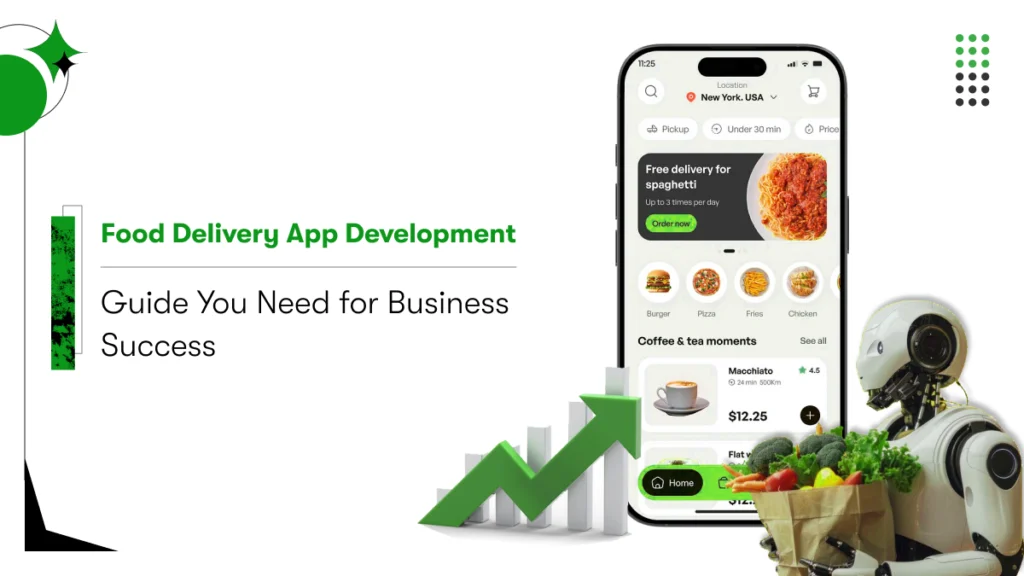
Understanding the full development process helps you plan budgets, timelines, and milestones accurately. Each phase requires specific deliverables, collaboration, and approval. Here’s how a professional development team transforms your idea into a fully functional food delivery platform.
Phase 1: Market Research & Competitor Analysis
-
Timeline: 2–4 weeks
-
Cost: $3,000–$10,000
This phase identifies market opportunities, analyzes competitor strengths/weaknesses, and uncovers unmet user needs. You’ll also define your target audience and unique value proposition.
Result: A validated concept that avoids costly feature mistakes later.
Phase 2: Requirements Gathering & Documentation
-
Timeline: 2–3 weeks
-
Cost: Included in development
Teams document every feature, user journey, technical specification, and use case. Wireframes outline navigation and prioritize features based on budget and MVP goals.
Result: Clear scope that prevents scope creep and delays.
Phase 3: UI/UX Design & Interactive Prototyping
-
Timeline: 3–6 weeks
-
Cost: $5,000–$25,000
Designers craft pixel perfect screens, user flows, and clickable prototypes. Usability testing ensures app navigation feels intuitive before any coding starts.
Result: A refined, user approved design that reduces future revisions.
Phase 4: App Development (Agile Methodology)
-
Timeline: 3–6 months
-
Cost: $70,000–$180,000
Developers build all core modules Customer App, Restaurant App, Driver App, and Admin Panel using agile sprints. You receive frequent demos to review progress and request adjustments.
Result: A scalable, functional product built incrementally with transparency.
Phase 5: Quality Assurance (QA) & Testing
-
Timeline: 1–2 months
-
Cost: 15–20% of development cost
QA teams conduct functional, performance, security, and device testing to eliminate bugs and ensure stability. Early fixes are cheaper, faster, and prevent user churn.
Result: A polished, reliable app ready for real users.
Phase 6: Deployment & App Store Launch
-
Timeline: 2–3 weeks
-
Cost: $2,000–$5,000
This includes deploying the backend, publishing apps to iOS and Android stores, configuring servers, and conducting final checks. Most teams begin with a soft launch before going public.
Result: A secure, fully deployed platform available for users worldwide.
Phase 7: Post Launch Support & Maintenance
-
Timeline: Ongoing
-
Cost: 15–20% of initial development annually
Ongoing maintenance includes performance monitoring, bug fixes, feature updates, OS compatibility updates, and user feedback improvements.
Result: Higher retention, fewer issues, and long term product growth.
Now that you understand how each phase contributes to your total investment, the next step is exploring practical strategies to reduce costs without compromising quality, ensuring your food delivery platform stays within budget while still delivering a world class user experience.
8 Cost Optimization Strategies for Food Delivery App Development
Reducing development costs doesn’t mean sacrificing quality. With the right planning and technical decisions, you can build a high performing food delivery app while keeping expenses under control. Below are eight proven strategies to help you maximize ROI and stretch your budget effectively.
1. Start With an MVP (Minimum Viable Product)
Launch only the essential features first user registration, restaurant browsing, ordering, payments, and tracking. This allows you to validate your business model, gather user feedback, and avoid spending money on features that may never be used.
Benefits:
-
Save 40–50% on upfront development
-
Faster time to market
-
Build features based on real user behavior, not assumptions
If you need a cost efficient MVP, consider partnering with an MVP development company like HomeNest Software to build a lean and scalable first version.
2. Choose Cross Platform Development
Frameworks such as React Native and Flutter let you build one codebase for both iOS and Android.
Why it saves money:
-
Cuts development time by 30–40%
-
Reduces ongoing maintenance
-
Ensures consistent user experience across platforms
Native development is still required for highly complex features, but cross platform is ideal for most startups.
3. Leverage Ready Made Solutions & APIs
No need to reinvent the wheel. Use pre built services for:
-
Payments (Stripe, PayPal)
-
Maps & GPS (Google Maps API)
-
Push notifications (Firebase)
Advantages:
-
Faster development
-
Lower engineering costs
-
Higher reliability with battle tested third party tools
Focus your development budget on features that truly differentiate your platform.
4. Use Cloud Infrastructure Instead of Custom Servers
Cloud providers like AWS, Azure, or Google Cloud offer scalable, cost effective infrastructure.
Cost savings come from:
-
No upfront hardware investment
-
Auto scaling based on traffic
-
Paying only for resources you actually use
-
Reduced DevOps workload
A serverless or microservices architecture keeps operational costs manageable as you grow.
5. Outsource to Cost Effective Regions
Hiring developers in North America or Western Europe is expensive. Countries in Asia and Eastern Europe offer the same (or higher) skill levels at a fraction of the cost.
Why outsourcing reduces cost:
-
No office or HR overhead
-
Flexible hiring models
-
Access to specialized teams instantly
Just ensure you check portfolios, conduct interviews, and sign NDAs. For guidance, see our detailed article on how to outsource app development effectively.
6. Use Agile Development Methodology
Agile development breaks your project into sprints, allowing for continuous feedback and quick adjustments.
Benefits:
-
Avoid building unnecessary features
-
Lower risk of costly rework
-
Better visibility and control over budget
You see progress every 1–2 weeks, ensuring alignment between expectations and delivery.
7. Automate Testing and Deployment (CI/CD)
Automation reduces manual workload and increases code quality.
Why it saves money:
-
Early bug detection = reduced fixing costs
-
Faster release cycles
-
Fewer human errors during deployment
CI/CD pipelines lead to predictable, stable releases especially important for high traffic apps like food delivery platforms.
8. Plan for Scalability Early
Poor architecture leads to expensive rewrites later. Designing scalable systems from day one prevents performance issues as your user base grows.
Smart architecture choices:
-
Microservices
-
Optimized database structure
-
Caching systems
-
Load balancing
A scalable foundation costs slightly more upfront but saves thousands of dollars in the long run.
Looking to Build a Food Delivery App on a Budget?
Launching a successful food delivery app requires strategic planning, realistic budgeting, and a clear understanding of the operational and technical challenges behind platforms like GrabFood, Uber Eats, or DoorDash. With the food delivery market growing at record speed, businesses must navigate real time order flow, driver logistics, secure payments, and rising user expectations.
Your success depends on choosing the right features, development approach, and technology partner.
At HomeNest Software, we specialize in custom mobile app development, having delivered hundreds of high performing applications across various industries. Our team understands the complexities of food delivery operations and builds scalable, secure, and cost optimized platforms tailored to your business model whether you’re targeting a single city or planning nationwide expansion.
We help you:
-
Select the right features for your MVP or full scale launch
-
Choose technologies that minimize development cost while maximizing performance
-
Build a seamless customer, restaurant, and driver experience
-
Avoid hidden expenses and technical pitfalls
-
Scale efficiently as your order volume increases
If you’re ready to develop a food delivery app that can compete with industry leaders, we’re here to guide you from concept to launch.
Ready to Build Your Food Delivery App With Expert Guidance?
Get a detailed cost estimate, technology recommendations, and a clear project timeline customized for your business goals.
Our experts ensure you launch a high quality, future ready food delivery platform without budget surprises or technical headaches.
👉 Connect with us today for a free consultation.
Contact HomeNest Software today for a free consultation and inquire about our all inclusive App Design package offers!
HomeNest Software – Empowering Long Term Growth for Modern Businesses.

Contact Information:
- Address: The Sun Avenue, 28 Mai Chi Tho Street, Binh Trung Ward, Ho Chi Minh City
- Hotline: +84 898 994 298( WhatsApp )
- Website: homenest.software
FAQ
1. How much does it cost to build a food delivery app like Uber Eats or DoorDash?
A fully functional food delivery app typically ranges from $30,000–$250,000+, depending on features, platform (iOS/Android/Cross platform), UI/UX complexity, and developer location.
-
Basic MVP: $30,000–$60,000
-
Intermediate App: $80,000–$120,000
-
Advanced App: $150,000–$250,000+
2. How long does it take to develop a food delivery app?
Development usually takes 3–12 months, depending on complexity:
-
Basic MVP: 3–4 months
-
Intermediate App: 5–7 months
-
Advanced App: 8–12+ months
3. Which platform should I develop first: iOS, Android, or both?
It depends on your target audience and budget:
-
iOS first → Higher spending markets (US, Europe)
-
Android first → Wider reach in Asia & emerging markets
-
Cross platform (Flutter/React Native) → Best for startups needing both apps with reduced cost (30–40% savings)
4. Can I start with an MVP to reduce initial costs?
Absolutely starting with an MVP is the smartest approach. You launch essential features first, validate demand, and scale after real user feedback. MVPs typically reduce initial development costs by 40–50%.
5. What are the essential features a food delivery app must include?
A complete food delivery ecosystem typically includes:
-
User app: Browse restaurants, ordering, payments, tracking
-
Restaurant app: Menu management, order acceptance
-
Driver app: Order pickup, delivery navigation
-
Admin panel: User management, analytics, commissions
6. What factors influence the total development cost?
Key cost drivers include:
-
Number & complexity of features
-
UI/UX customization
-
Platform choice (iOS/Android/Cross platform)
-
GPS & live tracking integration
-
Backend infrastructure & cloud hosting
-
Security & compliance requirements
-
Team size and developer location
7. Are there hidden or ongoing costs I should be aware of?
Yes most overlooked expenses include:
-
App Store/Play Store fees
-
Cloud hosting and server scaling
-
API usage fees (Google Maps, SMS OTP, payments)
-
Customer support tools
-
Maintenance & updates (15–20% of development cost per year)
8. Why should I consider outsourcing to Vietnam for app development?
Vietnam has become one of Asia’s fastest growing tech hubs because:
-
Lower development costs (60–70% cheaper than US/EU)
-
High quality engineers with strong English proficiency
-
Favorable time zone overlap with Asia Pacific markets
-
Strong expertise in food delivery & eCommerce solutions
-
Stable IT infrastructure & growing startup ecosystem
Many global startups now choose Vietnam to reduce costs without sacrificing quality.
9. How can HomeNest Software help me reduce development costs?
We optimize your budget by:
-
Recommending MVP first development
-
Using cross platform frameworks when suitable
-
Leveraging pre built modules to speed up development
-
Designing scalable architecture to avoid future rebuilds
10. Do you offer post launch support?
Yes. HomeNest Software provides:
-
Bug fixes
-
Security updates
-
Feature enhancements
-
Server optimization
-
Dedicated long term maintenance plans
11. Can you integrate AI, machine learning, or advanced logistics features?
Absolutely. We have experience building:
-
AI food recommendations
-
Predictive delivery ETAs
-
Route optimization for drivers
-
Dynamic pricing & surge algorithms
-
Automated customer support chatbots
12. Can you help estimate the exact budget for my project?
Yes just share your idea and key features.
We’ll provide a free tailored cost estimate, timeline, and technical recommendations within 24 hours.
Food Delivery App Development Cost: Full Breakdown & Expert Insights
Latest Articles
View All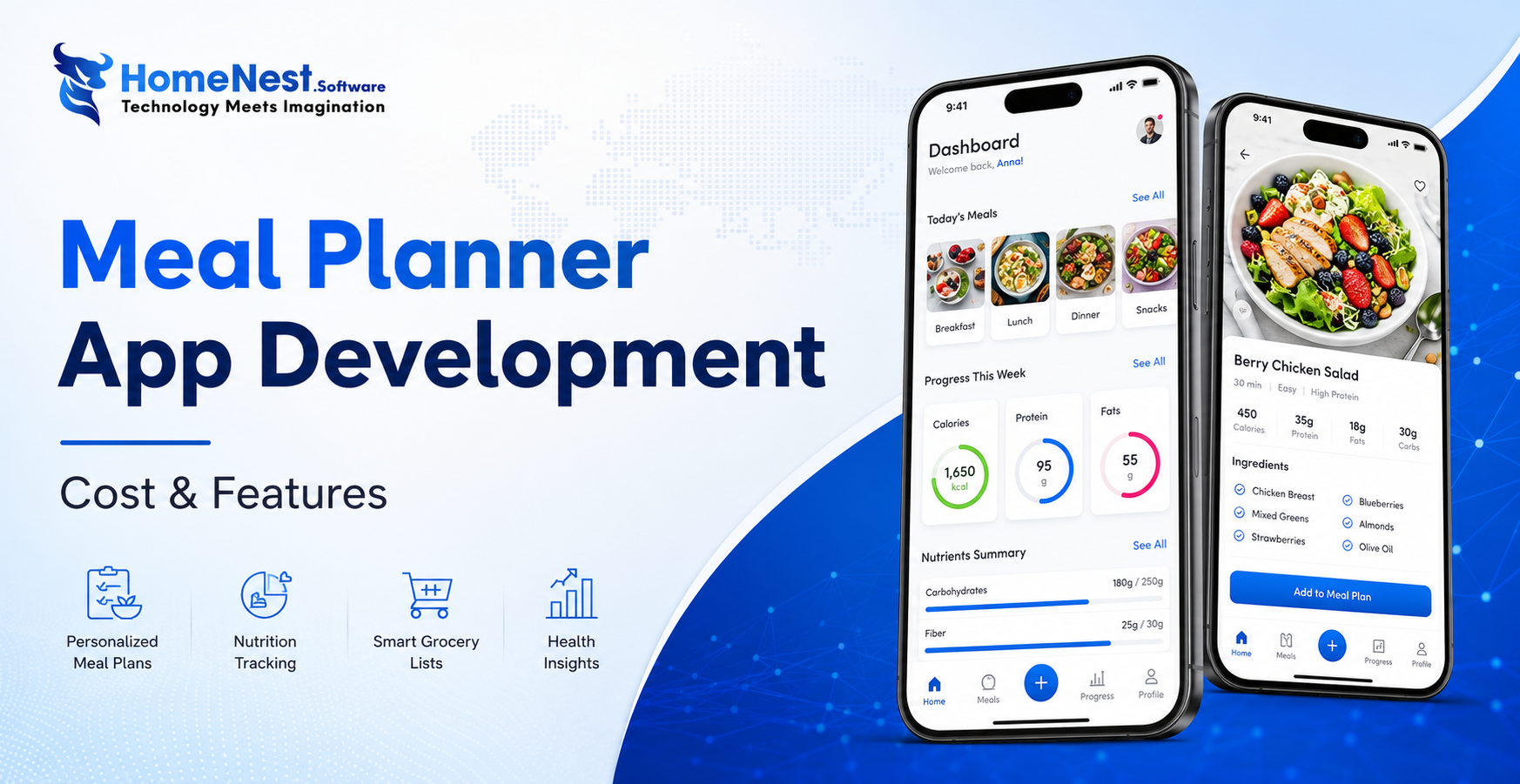
How to Build a Meal Planning App: A Complete Step-by-Step Guide
Building a successful meal planning app goes beyond creating an attractive interface it requires a clear business strategy, personalized user experiences, and scalable technology. By combining essential features like AI-powered meal recommendations, nutrition tracking, grocery list automation, and wearable integration, businesses can deliver lasting value to users while capitalizing on the growing digital health market. Partnering with an experienced mobile app development company ensures your solution is secure, future-ready, and designed to succeed in an increasingly competitive health-tech industry.
How Much Does It Cost to Build a Shopping App Like Temu?
Temu’s meteoric rise to over 900 million global downloads proves the power of combining AI, gamification, and social commerce, but building a similar viral shopping platform requires careful financial and technical planning. Developing an app like Temu typically costs anywhere from $40,000 for a basic Minimum Viable Product (MVP) to over $300,000 for a fully-featured platform. This guide breaks down every cost category, analyzes the core features driving Temu’s success, highlights the best technology stacks, and offers practical strategies to optimize your development budget without compromising on quality.

Criteria For Choosing The Right App Design Agency
UI/UX design is the logical foundation of a system, not merely a visual element. Choosing the wrong partner will directly lead to technical debt, budget overruns, and disruptions in the development process. This article provides a 6-step evaluation framework and a list of operational risks, helping businesses eliminate subjective design advice and accurately assess agency capabilities based on developer handoff standards and practical business performance.
How Does AI in Banking Industry Impact the Future?
Artificial intelligence (AI) has transitioned from a supplementary tool to a core infrastructure of financial data management, optimizing profitability through real-time fraud detection, natural language processing (NLP), and high-speed credit scoring models. “Deploying AI in the financial sector requires more than just algorithmic accuracy, it demands a highly secure cloud architecture and rigorous data governance,” commented Nguyen Tien, co-founder of HomeNest Software. Why read this guide? We skip the theoretical jargon to focus entirely on technical implementation. Whether you’re evaluating a vendor or planning a system overhaul, this article will detail: Operational Efficiency: Automating unstructured data workflows at scale. Risk Architecture: Implementing real-time threat detection and AML compliance. Data ownership: The essential need for 100% ownership of the source code to ensure full algorithm auditability.
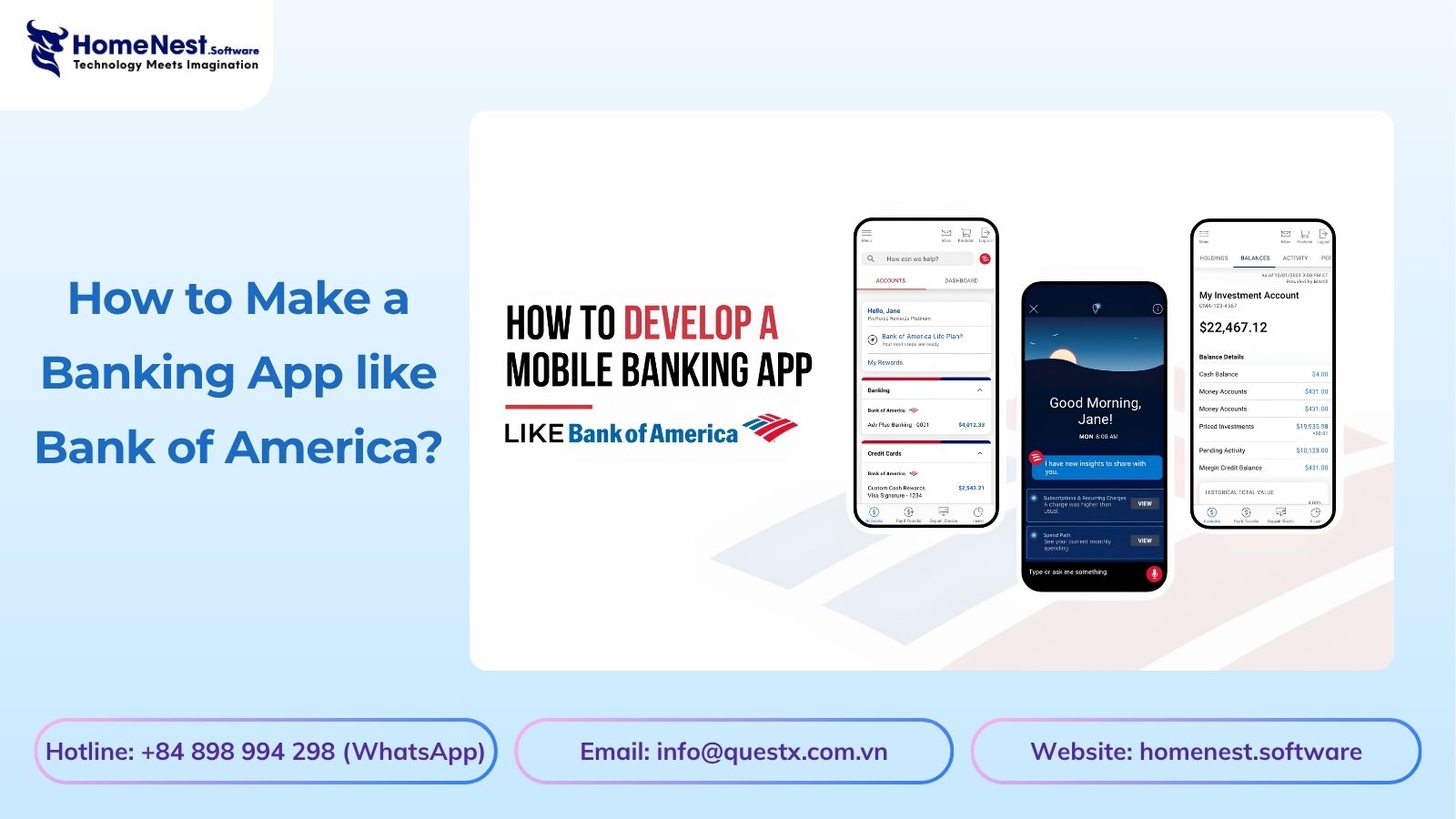
How to Make a Banking App like Bank of America?
Developing a mobile banking application like Bank of America extends far beyond basic UI design; it requires engineering a fault-tolerant backend capable of real-time ledger synchronization, biometric authentication, and high-volume data processing under strict regulatory frameworks. Drawing from HomeNest Software’s deep experience in architecting enterprise-grade fintech solutions, this guide strips away theoretical jargon to focus entirely on operational and technical execution. What you will find in this guide: We break down the precise development roadmap, from mapping out microservices and ensuring PCI-DSS compliance to estimating MVP development costs and securing absolute data sovereignty through 100% source code ownership. If you are preparing to build, scale, or audit a financial platform, this blueprint provides the exact framework you need.
Banking App Development Cost
Building a banking application is rarely a simple process; it’s a complex technical challenge requiring a balance between complying with stringent financial regulations, handling large transaction volumes, and a scalable cloud architecture. Miscalculating these technical requirements from the outset often leads to significant technical debt and budget overruns. Based on HomeNest Software’s practical experience in designing enterprise-grade fintech solutions, this guide bypasses generic estimates to provide a realistic analysis of banking application development costs. What you’ll find in this guide: We analyze the true cost factors, from technology selection and API integration to the hidden costs of regulatory compliance and security infrastructure. Whether you’re launching a minimum viable product or expanding an existing financial platform, this analysis provides the precise operational data you need to plan your budget effectively.