
How to Create a Ride-Hailing App Like Uber and Careem
Building a successful ride-hailing app like Uber or Careem requires more than just coding it demands a clear business model, robust technology, and a user-centric experience. By focusing on the right features, scalable architecture, and strategic execution and partnering with an experienced team like HomeNest Software you can create a competitive, high-performance platform with strong long-term growth potential.
Scope of Work

In recent years, the transportation industry has undergone a major transformation, driven by the rise of ride hailing platforms like Uber and Careem. These platforms have redefined how people travel offering convenient, reliable, and cost effective mobility solutions that can be accessed with just a few taps on a smartphone.
With the growing demand for on demand transportation, building an app like Uber or Careem has become a highly attractive opportunity for entrepreneurs and businesses alike. Ride hailing apps are no longer optional they are now an integral part of everyday life, creating a rapidly expanding market with significant potential.
In fact, the global ride hailing market is projected to reach $318 billion by 2026, highlighting strong growth and continuous innovation in this space.
In this guide, we’ll walk you through everything you need to know to build an app like Uber and Careem from core features and system architecture to development steps and best practices. Whether you’re launching a new ride hailing startup or scaling an existing mobility business, this roadmap will help you turn your idea into a successful, market ready application.
What Is a Taxi Booking App?

A taxi booking app is a mobile application that allows users to book and manage rides directly from their smartphones eliminating the need for traditional street hailing or phone based bookings.
These apps provide a seamless digital experience where users can:
- Enter pickup and drop off locations
- View available vehicles nearby
- Choose a preferred ride option
- Track the driver in real time
- Make secure, cashless payments within the app
Once a ride is requested, the system matches the user with a nearby driver and provides live updates on arrival time. After the trip, users can rate their experience, helping maintain service quality and transparency across the platform.
Powered by GPS and real time data processing, taxi booking apps significantly improve the efficiency, safety, and convenience of urban transportation.
Leading platforms like Uber have demonstrated how this model can scale globally making ride hailing apps an essential part of modern mobility.
Features of Uber & Careem Clone App Development
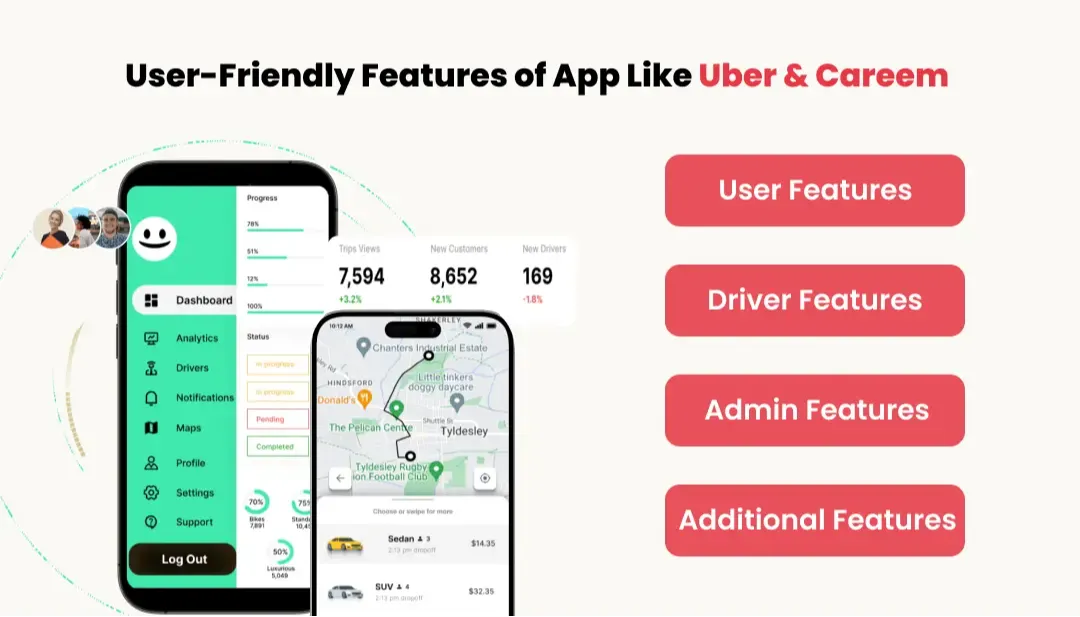
Before moving into the development process, it’s essential to understand the core features that power successful ride hailing platforms like Uber and Careem. A well structured app typically includes three main modules user app, driver app, and admin panel along with additional advanced features.
1. User App Features
These features ensure a smooth and convenient experience for riders:
- Ride Booking: Users enter pickup and drop off locations, select vehicle type, and confirm their ride
- Real Time Tracking: GPS based tracking allows users to monitor driver location, arrival time, and trip progress
- Multiple Payment Options: Secure payments via cards, wallets, or cash
- Ride Scheduling: Option to pre book rides for a specific date and time
- In App Chat & Calls: Direct communication with drivers for coordination and updates
2. Driver App Features
Designed to help drivers manage rides efficiently and maximize earnings:
- Navigation Assistance: GPS powered routing with real time traffic updates
- Ride Acceptance & Decline: Flexibility to accept or reject ride requests
- Earnings & Payout Tracking: Monitor income, completed trips, and withdrawals
- Trip History: Access records of past, ongoing, and scheduled rides
- Ratings & Reviews: Feedback system to maintain service quality and performance
3. Admin Panel Features
The admin dashboard provides full control over platform operations:
- Comprehensive Dashboard: Overview of platform performance, rides, and revenue
- User & Driver Management: Onboarding, verification, and account management
- Fare & Commission Control: Set pricing models, commissions, and surge pricing
- Analytics & Reporting: Insights into demand, user behavior, and business performance
- Support & Complaint Handling: Manage disputes and ensure service quality
4. Advanced Features
To stay competitive, modern ride hailing apps often include:
- Surge Pricing: Dynamic pricing based on demand and availability
- Geofencing: Define service areas and ensure regulatory compliance
- Ride Sharing & Pooling: Match users traveling in the same direction to reduce costs
- SOS & Emergency Assistance: Safety features for both riders and drivers
- Multi Language & Currency Support: Localization for global scalability
A successful Uber or Careem clone requires a balanced combination of core and advanced features across all modules. Prioritizing essential functionalities first and scaling with advanced capabilities ensures better performance, user satisfaction, and long term growth.
How to Create an App Like Uber & Careem
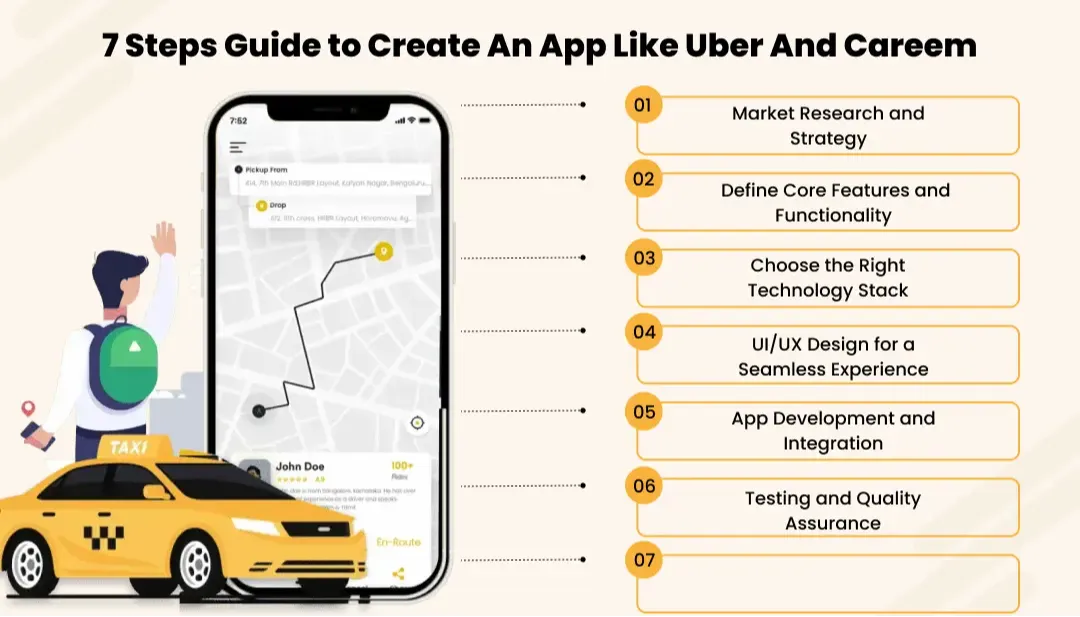
Building a ride hailing app like Uber or Careem requires careful planning, the right technology, and a structured execution strategy. Partnering with an experienced development team can significantly streamline the entire process from idea to launch.
1. Market Research & Strategy
Every successful app starts with a deep understanding of the market.
Key focus areas:
- Target audience behavior and preferences
- Service areas and expansion strategy
- Pricing models and monetization approach
- Competitor analysis and market gaps
This step helps you define a clear value proposition and build a competitive, scalable product.
2. Define Core Features & Functionality
A ride hailing platform is built around three main components:
- User App: Ride booking, payments, GPS tracking, ride history, ratings
- Driver App: Ride requests, navigation, earnings tracking, availability management
- Admin Panel: User management, analytics, pricing control, system monitoring
Start with essential features and expand gradually to maintain efficiency and cost control.
3. Choose the Right Technology Stack
Selecting the right technologies ensures performance, security, and scalability:
- Frontend: React Native or Flutter for cross platform apps
- Backend: Node.js or Python for efficient data handling
- Cloud Services: AWS, Azure, or GCP for scalability and storage
- APIs: Integration for maps, payments, and notifications
A well chosen tech stack is critical for long term growth.
4. UI/UX Design for Seamless Experience
User experience is a key success factor. The app should be intuitive, visually appealing, and easy to navigate.
Focus on:
- Simple ride booking flow
- Real time tracking interface
- Clean and responsive design
A well designed UI/UX improves user satisfaction and retention.
5. App Development & Integration
This is where your product takes shape. Developers build both frontend and backend systems while integrating essential services such as:
- Payment gateways (e.g., Stripe, PayPal)
- GPS and mapping (e.g., Google Maps)
- Push notifications and messaging
These integrations ensure a fully functional and user friendly app.
6. Testing & Quality Assurance
Thorough testing is essential before launch. This includes:
- Functional testing
- Performance testing
- Security testing
The goal is to ensure a stable, secure, and bug free experience across all devices and platforms.
7. Launch, Deployment & Maintenance
After testing, the app is deployed on iOS and Android platforms.
Post launch priorities include:
- Marketing and user acquisition
- Continuous updates and feature improvements
- Bug fixes and performance optimization
Long term maintenance is crucial to remain competitive in the ride hailing market.
Creating an app like Uber or Careem is a multi stage process that combines strategy, technology, and user experience. With the right approach and execution, businesses can build scalable, high performance platforms that thrive in the on demand mobility ecosystem.
How Do Apps Like Uber & Careem Make Money?
Many businesses build ride hailing platforms like Uber and Careem, but monetization is what determines long term success. A well defined business model is essential to generate sustainable revenue. Here are the most effective strategies:
Commission on Rides
The primary revenue stream is charging a commission on each completed trip. A percentage is deducted from the fare paid by the passenger, making this model simple, scalable, and widely adopted.
Surge Pricing
Dynamic pricing during peak hours or high demand periods allows platforms to increase fares. This not only boosts revenue but also balances supply and demand by encouraging more drivers to be active.
Subscription Model for Drivers
Offer premium plans to drivers, such as priority ride allocation, lower commission rates, or additional support features. Monthly or annual subscriptions create a steady and predictable revenue stream.
In App Advertising
Monetize your platform by displaying targeted ads, sponsored listings, or promotional banners. When implemented carefully, this can generate additional income without negatively impacting user experience.
Partnerships & Affiliate Marketing
Collaborate with local businesses such as hotels, restaurants, or event organizers to offer exclusive deals within the app. This opens up additional revenue through commissions and referral partnerships while enhancing user value.
Successful ride hailing apps rely on diversified revenue streams. By combining commissions, dynamic pricing, subscriptions, and partnerships, businesses can maximize profitability while delivering value to both riders and drivers.
Cost to Create an App Like Uber and Careem

The cost of building a ride hailing app like Uber or Careem typically ranges from $5,000 to $15,000+, depending on your app’s complexity, features, and technical requirements.
However, this is not a fixed number the final investment depends on several key factors:
Key Factors Affecting Development Cost
App Complexity
A basic app with core features (booking, tracking, payments) is more affordable. Advanced functionalities such as real time matching algorithms, AI based routing, and analytics significantly increase development cost.
Platform Choice
Developing for a single platform (iOS or Android) is more cost effective. Building for both platforms increases cost unless you opt for cross platform solutions like Flutter or React Native.
UI/UX Design
A polished, user friendly interface requires experienced designers and additional effort. High quality UX design with smooth navigation directly impacts both cost and user retention.
Development Team
Hiring skilled developers increases upfront cost but ensures better quality and scalability. The total expense also varies based on team size and geographic location.
Backend Infrastructure
A robust backend is essential for handling real time data, user traffic, and transactions. Scalable servers, APIs, and strong security measures contribute significantly to overall cost.
Testing & Quality Assurance
Comprehensive testing across devices and platforms ensures a stable, bug free experience. While essential, it adds to both development time and budget.
Estimated Cost Breakdown
| App Type | Estimated Cost |
|---|---|
| Basic App | $5,000 – $8,000 |
| Intermediate App | $10,000 – $15,000 |
| Advanced App | $15,000+ |
To estimate an accurate budget, you need a clearly defined project scope. Beyond development, consider additional costs such as maintenance, marketing, and customer support. A well planned investment strategy ensures long term scalability and success in the competitive ride hailing market.
4 Major Challenges in Building a Taxi App Like Uber & Careem
Developing a ride hailing platform like Uber or Careem comes with a set of technical and operational challenges. Addressing these effectively is crucial to building a reliable, scalable, and user friendly application.
1. Real Time GPS Tracking & Navigation
Accurate GPS tracking is the backbone of any taxi app. Users rely on real time location updates to track drivers, estimate arrival times, and ensure safety. Implementing precise and responsive mapping systems is essential for building trust and delivering a seamless experience.
2. Payment Integration & Security
A secure and flexible payment system is critical. The app must support multiple payment options such as credit/debit cards, digital wallets, and other local methods while ensuring strong encryption and compliance with security standards to protect user data.
3. Scalability & Performance
As your user base grows, the app must handle increasing traffic without performance issues. A scalable backend architecture is required to manage high volumes of requests, ensuring smooth operation even during peak demand.
4. Driver–Passenger Matching Algorithm
Efficient matching between drivers and passengers is key to minimizing wait times and improving service quality. The system must consider factors such as proximity, availability, traffic conditions, and demand patterns to optimize ride allocation.
Overcoming these challenges requires a combination of robust technology, smart architecture, and continuous optimization all of which are essential to building a high performing ride hailing platform.
How HomeNest Software Can Help You Build an App Like Uber
Building a ride hailing platform like Uber or Careem involves multiple layers from product strategy and design to development and scaling. With the right expertise, this complexity becomes manageable.
HomeNest Software brings extensive experience in developing on demand ride hailing applications for clients worldwide. Our team handles the entire product lifecycle from initial concept and UI/UX design to development, deployment, and post launch optimization.
What You Get with HomeNest Software
- End to End Development: From idea validation to launch and maintenance
- Custom Built Solutions: Fully tailored apps aligned with your business model
- Advanced Features: GPS tracking, secure payment gateways, real time matching, and intuitive interfaces
- Scalable Architecture: Built to handle growth and high user demand
- Dedicated Development Team: Skilled professionals ensuring timely and cost effective delivery
With HomeNest Software as your technology partner, you gain the expertise and resources needed to turn your ride hailing idea into a scalable, high performance application.
Ready to get started? Connect with us to bring your vision to life.
Frequently Asked Questions (FAQs)
What is a ride hailing app like Uber or Careem?
A ride hailing app is a mobile platform that connects passengers with drivers, allowing users to book rides, track trips in real time, and make payments digitally.
How much does it cost to build an app like Uber or Careem?
The cost typically ranges from $5,000 to $15,000+, depending on features, platform choice, and system complexity. Advanced apps with AI features and multi service capabilities may cost more.
How long does it take to develop a ride hailing app?
An MVP can take around 3–6 months, while a full featured, scalable platform may require 6–12+ months, depending on requirements and team size.
What are the essential features of a ride hailing app?
Core features include ride booking, real time tracking, driver matching, fare estimation, secure payments, ratings and reviews, and an admin dashboard.
Which business model works best for ride hailing apps?
Common models include commission per ride, subscription plans for drivers, surge pricing, and additional revenue streams like advertising or partnerships.
What technologies are used in ride hailing app development?
Popular technologies include React Native, Flutter, Node.js, Python, and cloud platforms like AWS or Azure, along with integrations for maps, payments, and notifications.
How do ride hailing apps ensure user safety?
Safety is ensured through features like driver verification, real time GPS tracking, SOS buttons, trip sharing, and secure payment systems.
Is it better to build for Android, iOS, or both?
For maximum reach, most businesses choose both platforms. Cross platform development can help reduce cost and time.
What are the biggest challenges in building a ride hailing app?
Key challenges include real time tracking accuracy, secure payment integration, scalability under high traffic, and efficient driver passenger matching algorithms.
Why choose HomeNest Software for development?
HomeNest Software provides end to end solutions in Mobile App Development and Enterprise Software Development, helping businesses build scalable, secure, and high performance ride hailing platforms tailored to their needs.
Latest Articles
View All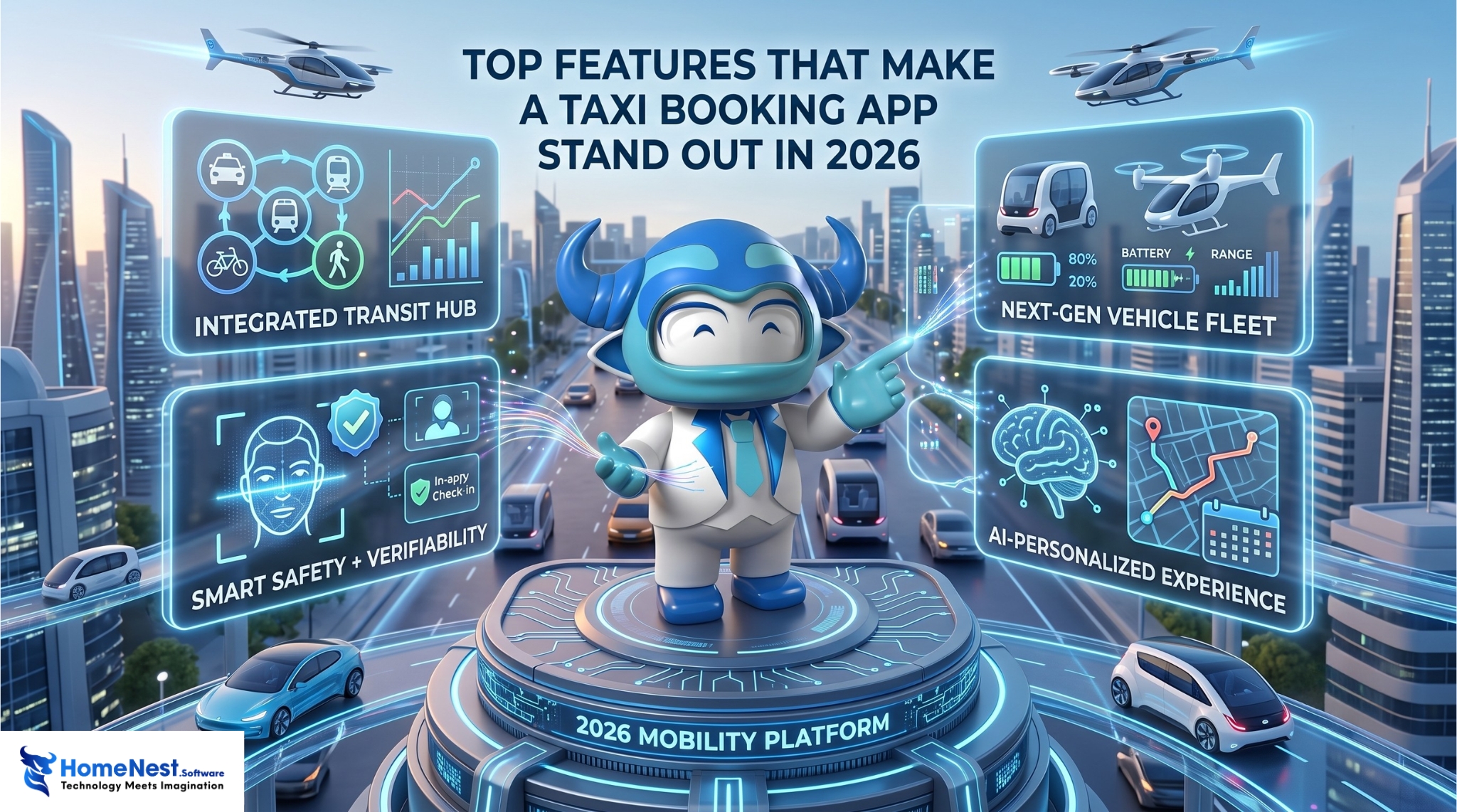
Top Features That Make A Taxi Booking App Stand Out In 2026
Building a standout taxi booking app in 2026 requires a forward-looking tech strategy. From AI-driven personalized booking and real-time IoT telematics to scalable cloud-native engineering, HomeNest Software highlights the essential features and technical recommendations needed to boost user retention, optimize fleet operations, and dominate the modern mobility market.
How Much Does It Cost To Develop A Food Delivery App Like Zomato?
Discover the complete cost breakdown and technical roadmap to build a Zomato-like food delivery app with HomeNest Software. This guide explores budget tiers, the essential 4-panel architecture (Customer, Merchant, Driver, Admin), modern tech stack recommendations, and proven monetization strategies. Learn how HomeNest Software transforms your digital platform vision into a scalable, high-yielding business asset!

GitHub vs GitLab – Architecture and Selection Guide
Managing source code requires stable infrastructure. Automating software releases requires reliable pipelines. Tool sprawl creates operational complexity. Engineering teams face friction when using fragmented DevOps tools. Selecting between GitHub and GitLab shapes long term development efficiency.
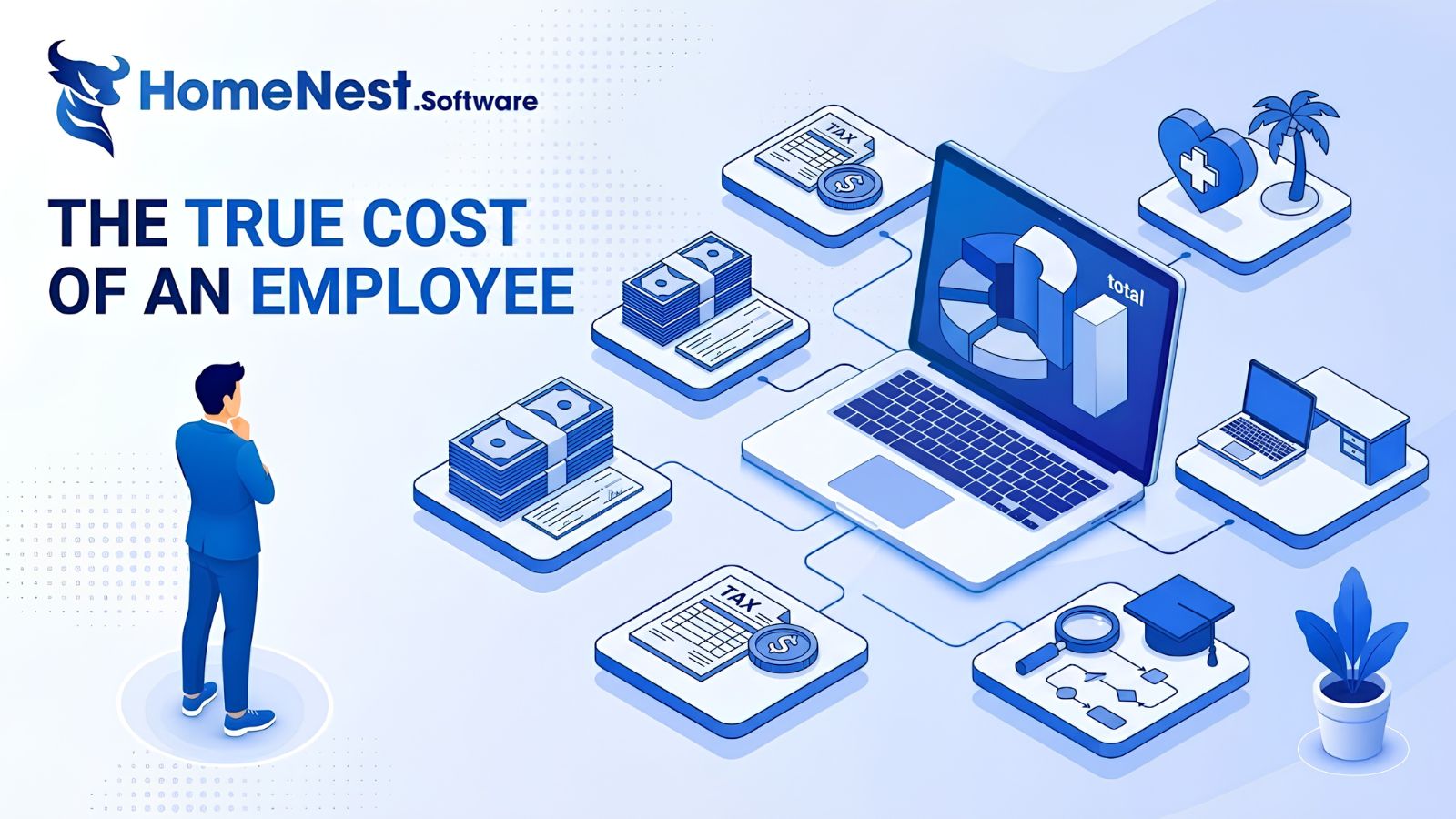
The True Cost of an Employee: A Complete Breakdown for Employers
This article reveals that the true cost of an employee is typically 25% to 40% higher than their base salary due to hidden expenses like taxes, benefits, workspace, and recruiting. To address this, the guide provides a detailed 7-step framework to accurately calculate total employer costs, alongside actionable strategies to optimize budgets and improve retention without reducing pay.
Essential Tips To Develop A Music Streaming App
Discover expert tips to develop a successful music streaming app with HomeNest Software. This guide covers essential features, legal licensing, and scalable technology stacks. Learn how to build a robust, cross-platform application with AI personalization to stand out in the 2026 competitive audio market.
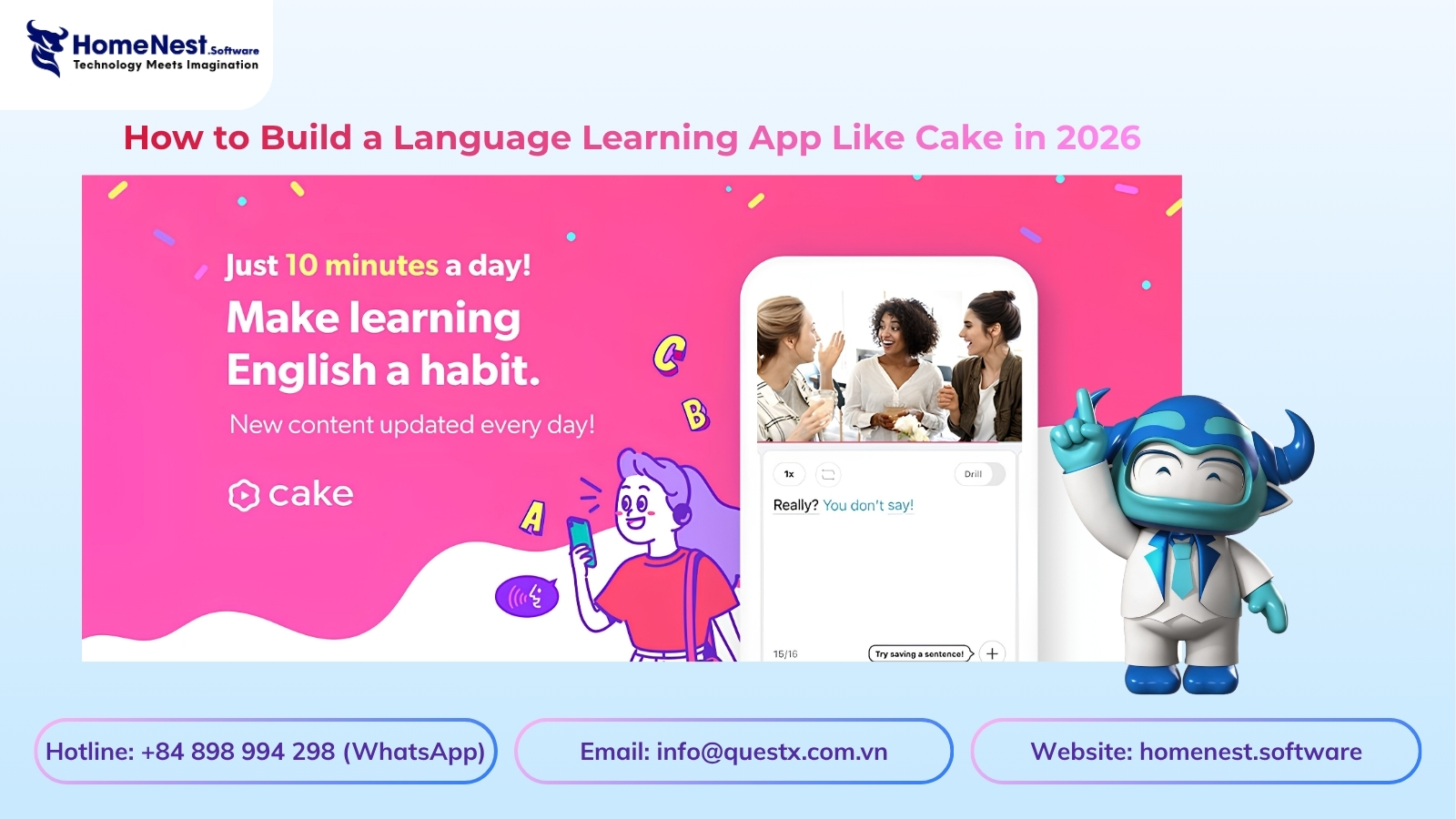
How to Build a Language Learning App Like Cake
Discover how to build a successful language learning app like Cake with this comprehensive guide from HomeNest Software. We explore market research, essential MVP features, advanced AI integrations, tech stack selection, and estimated development costs. Partner with HomeNest Software to create a scalable, gamified, and highly engaging educational platform tailored to your business goals. Start your app development journey with us today.