
The Advantages of Hiring a Java Development Company
Scope of Work
Understanding Java Development Company
What is Java and the Java Virtual Machine (JVM)?
Java is one of the most widely used programming languages in the world, recognized for its versatility, security, and reliability. At the heart of Java lies the Java Virtual Machine (JVM) an execution environment that enables Java applications to run seamlessly across different platforms, regardless of hardware or operating systems.
This “write once, run anywhere” capability makes Java highly platform independent. Additionally, Java follows the object oriented programming (OOP) paradigm, which promotes code reusability, scalability, and easier maintenance for complex systems.
Why Choose Java for Your Project?
Java has remained a cornerstone of software development for decades thanks to its stability and scalability. Businesses choose Java for its ability to support high performance, secure, and enterprise level applications.
Partnering with a Java development company gives you access to experienced developers who can build robust solutions from enterprise systems to data intensive platforms ensuring long term reliability and scalability for your business.
Read more: Java vs Python: Which Programming Language Is the Better Choice for Your Project?
Key Benefits of Using Java
Platform Independence and Cross Platform Portability
One of Java’s greatest strengths is its platform independence. Thanks to the Java Virtual Machine (JVM), developers can write code once and run it across multiple environments whether on Windows, Linux, or Android without major modifications.
This cross platform capability reduces development effort, lowers costs, and speeds up time to market for businesses.
Strong Security and Built in Protection
Java is designed with security as a top priority. It offers robust security APIs along with built in mechanisms such as bytecode verification and sandboxing to protect applications from common vulnerabilities.
These features support secure communication, authentication, and data integrity making Java a trusted choice for industries like finance, healthcare, and government.
Multithreading for High Performance
Java’s built in multithreading capabilities allow applications to execute multiple tasks simultaneously. This enhances performance and responsiveness, especially for complex systems such as real time processing or interactive applications.
Efficient resource utilization also makes Java ideal for building scalable, high performance solutions.
Reliability and Backward Compatibility
Java is known for its stability and long term reliability. Its strong backward compatibility ensures that older applications can run smoothly on newer versions of the platform.
This reduces maintenance costs and helps businesses extend the lifespan of their software investments.
Rich Ecosystem and Extensive APIs
Java offers a vast ecosystem supported by a wide range of libraries and APIs. Developers can easily access tools for networking, database integration, XML processing, and more.
This rich environment accelerates development, simplifies complex tasks, and enables the creation of robust, feature rich applications.
Read more: Java vs Kotlin: Which Is Better for Android App Development?
Java for Enterprise Grade Applications
Advantages of Java EE and Java SE
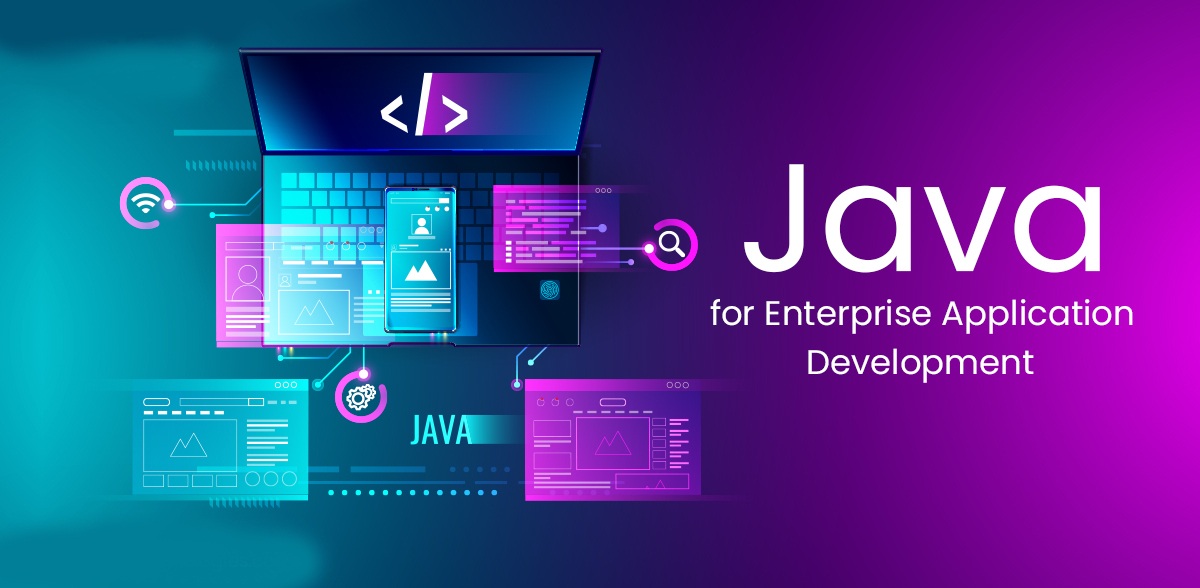
Java offers two key platforms for enterprise development: Java SE (Standard Edition) and Java EE (Enterprise Edition).
Java SE provides the core foundation for building Java applications, delivering a stable, secure, and reliable runtime environment. Meanwhile, Java EE extends these capabilities with a rich set of APIs designed for enterprise systems supporting features such as transaction management, messaging services, and web services.
Together, these platforms enable developers to build robust, scalable, and high performance enterprise applications.
Secure and Scalable Java Solutions
Java’s architecture is well suited for developing secure and scalable enterprise solutions. It can efficiently handle high workloads, large user bases, and complex business logic making it ideal for mission critical systems.
As a result, Java is widely used across industries such as banking, e commerce, telecommunications, and enterprise platforms, where reliability, security, and scalability are essential.
Read more: Enterprise Software Development: What It Is and How to Choose the Right Partner
Java in Big Data Systems Development
Integration with Big Data Technologies
Java is highly compatible with leading big data technologies such as Apache Hadoop, Apache Spark, and Apache Kafka. This seamless integration makes Java a powerful choice for building modern data driven systems.
With its strong performance and scalability, Java can efficiently process massive datasets, support real time analytics, and power machine learning applications making it ideal for industries that rely heavily on data processing and insights.
Case Studies and Client Success Stories
Secure Payment and Cash Management Systems
Many organizations have successfully leveraged Java to build advanced payment and cash management systems. For example, a global banking institution partnered with a Java development company to develop a secure and scalable payment platform.
The result was faster transaction processing, enhanced security measures, and a significantly improved customer experience demonstrating Java’s strength in handling mission critical financial systems.
Expense Platform Customization and Ticketing Integration
In another case, a travel company adopted Java to customize its expense management platform and integrate ticketing systems. Thanks to Java’s flexibility, the solution delivered a highly tailored user experience while seamlessly connecting with existing systems.
This approach streamlined internal processes, improved operational efficiency, and increased customer retention highlighting Java’s effectiveness in building adaptable, integrated business solutions.
Custom Java Development Solutions
Tailored Java/J2EE Software Development
Every business has unique requirements, and off the shelf solutions may not always be sufficient. Java development companies provide customized Java/J2EE solutions tailored to specific business needs.
The process typically begins with a thorough analysis of business objectives and technical requirements. This ensures that the final software aligns closely with organizational goals, improves operational efficiency, and delivers long term value.
API Integration for Secure Data Management
Java’s robust and flexible architecture supports seamless API integrations, enabling businesses to connect with third party systems, cloud platforms, and internal applications.
These integrations play a critical role in managing and securing data, ensuring safe data exchange while maintaining system performance. For instance, in healthcare, custom Java APIs can be used to comply with regulations like HIPAA, allowing organizations to securely manage and share sensitive patient data across multiple platforms.
Read more: What is JavaScript? The Engine Driving the Modern Web
Java Development Services Offered
Java Web Development and API Development
Java web development remains highly in demand thanks to its stability, scalability, and flexibility. Java development companies often utilize powerful frameworks like Spring Framework and Apache Struts to build dynamic, secure, and high performance web applications.
In addition, Java API development plays a crucial role in enabling seamless communication between systems. Well designed APIs allow businesses to integrate with third party services, streamline operations, and scale their platforms efficiently.
Java Migration and Application Maintenance
Java migration services help businesses modernize legacy systems by transitioning them to more advanced Java based architectures without losing critical data or functionality. These migrations are designed to ensure minimal downtime, maintain backward compatibility, and improve overall system performance.
Beyond development, ongoing application maintenance and support are essential. Java development companies provide continuous updates, performance optimization, bug fixes, and security enhancements ensuring system stability, long term reliability, and uninterrupted business operations.
Read more: Software Frameworks: How to Choose the Right Framework for Your Project
Java Technologies and Tools
Popular Java Frameworks: Spring, Hibernate, and Struts
Java’s rich ecosystem includes a variety of powerful frameworks that streamline and accelerate application development. The Spring Framework is widely recognized for its simplicity and strong support for microservices architecture, making it ideal for building scalable, modern applications.
Hibernate simplifies database interactions by mapping Java objects to database tables, improving data handling efficiency and reducing boilerplate code. Meanwhile, Apache Struts though more traditional remains useful for maintaining and supporting legacy enterprise applications.
Tools and Libraries: Maven, Gradle, JUnit, Mockito
Java developers rely on a robust set of tools and libraries to optimize development workflows. Build automation tools like Apache Maven and Gradle help manage dependencies, automate builds, and streamline deployment processes.
For testing, frameworks such as JUnit and Mockito enable developers to perform thorough unit testing and simulate application behavior. This ensures early bug detection, improves code quality, and enhances overall software reliability.
Java Development Process Explained
Agile Methodology and Flexible Development
Java development companies typically follow Agile methodologies, focusing on flexibility, adaptability, and iterative delivery. This approach encourages continuous client involvement, regular feedback, and close collaboration throughout the project lifecycle.
By working in iterative cycles, teams can quickly adapt to changing requirements, ensuring the final product aligns with business goals while maintaining efficiency in both time and cost.
Milestones, Timelines, and Continuous Communication
Defining clear milestones and timelines is essential for successful Java development projects. While the process remains structured, it is also flexible enough to accommodate changes without disrupting overall progress.
Regular communication through meetings, progress reports, and updates keeps stakeholders informed and aligned. This proactive approach helps identify issues early, reduce risks, and ensure smooth project execution from start to finish.
Security in Java Development
Importance of OWASP Standards and Bytecode Verification
Security is a critical priority in Java development, especially for enterprise applications handling sensitive data. Adhering to standards from OWASP helps ensure applications follow best practices and are protected against common vulnerabilities such as SQL injection and cross site scripting (XSS).
In addition, Java provides built in security mechanisms like bytecode verification, which checks code for invalid instructions or unsafe operations before execution. This adds an extra layer of protection, ensuring applications run safely within controlled environments.
Role of Testing: Unit Testing, Integration Testing, and Code Reviews
Comprehensive testing plays a key role in maintaining application security. Unit testing validates individual components early in the development process, helping detect issues quickly. Integration testing ensures that different modules work seamlessly together, which is especially important in complex systems.
Meanwhile, thorough code reviews help identify potential security risks, performance issues, and coding inconsistencies. Together, these practices contribute to building secure, reliable, and high quality Java applications.
Hiring Java Developers: Best Practices
Dedicated Java Development Team and Engagement Models
Building a dedicated Java development team helps ensure consistency, deep expertise, and strong alignment with business objectives. Java development companies typically offer flexible engagement models such as fixed price, time and materials, or hybrid approaches tailored to different project requirements.
Choosing a dedicated team allows businesses to access skilled professionals, maintain long term project continuity, and scale solutions effectively as needs evolve.
Flexible and Scalable Staffing Solutions
As business demands change, companies often require adaptable staffing strategies. Java development providers offer staff augmentation services, enabling organizations to quickly scale their teams up or down based on project needs.
This flexible approach reduces operational costs, increases agility, and supports faster onboarding helping businesses respond efficiently without the burden of long term commitments.
Read more: Hire Software Developers from HomeNest Software to Scale Your IT Outsourcing
Conclusion
Partnering with a Java development company brings significant advantages from platform independence and strong security to high scalability and long term support.
With its rich ecosystem of tools, frameworks, and technologies, Java remains an ideal choice for building enterprise applications, big data systems, and custom software solutions.
By choosing the right development partner and fully leveraging Java’s capabilities, businesses can create reliable, secure, and scalable solutions tailored to their specific needs and growth goals.

Contact Information:
- Address: The Sun Avenue, 28 Mai Chi Tho Street, Binh Trung Ward, Ho Chi Minh City
- Hotline: +84 898 994 298 ( WhatsApp )
- Website: homenest.software
FAQs About Java Development Company
What does a Java development company do?
A Java development company provides services such as custom software development, web and mobile app development, API integration, system migration, and ongoing maintenance using Java technologies.
Why should businesses choose Java for development?
Java is known for its stability, scalability, security, and platform independence. It is ideal for enterprise applications, big data systems, and long term projects requiring reliable performance.
How much does it cost to hire a Java development company?
The cost depends on factors such as project complexity, team size, engagement model, and location. Businesses can choose fixed price, hourly, or dedicated team models based on their budget and needs.
What industries commonly use Java?
Java is widely used in industries such as finance, healthcare, e commerce, telecommunications, and enterprise software due to its reliability and security.
How long does a Java development project take?
Project timelines vary depending on scope and complexity. Small projects may take a few weeks, while enterprise level systems can take several months or longer.
What are the key benefits of hiring a dedicated Java team?
A dedicated team provides consistent expertise, better communication, and long term project support. It also allows businesses to scale development resources efficiently as needed.
Can Java be used for modern technologies like cloud and big data?
Yes. Java integrates well with cloud platforms and big data technologies like Hadoop, Spark, and Kafka, making it suitable for modern, scalable, and data driven applications.
Latest Articles
View All
Criteria For Choosing The Right App Design Agency
UI/UX design is the logical foundation of a system, not merely a visual element. Choosing the wrong partner will directly lead to technical debt, budget overruns, and disruptions in the development process. This article provides a 6-step evaluation framework and a list of operational risks, helping businesses eliminate subjective design advice and accurately assess agency capabilities based on developer handoff standards and practical business performance.

How Does AI in Banking Industry Impact the Future?
Artificial intelligence (AI) has transitioned from a supplementary tool to a core infrastructure of financial data management, optimizing profitability through real-time fraud detection, natural language processing (NLP), and high-speed credit scoring models. “Deploying AI in the financial sector requires more than just algorithmic accuracy, it demands a highly secure cloud architecture and rigorous data governance,” commented Nguyen Tien, co-founder of HomeNest Software. Why read this guide? We skip the theoretical jargon to focus entirely on technical implementation. Whether you’re evaluating a vendor or planning a system overhaul, this article will detail: Operational Efficiency: Automating unstructured data workflows at scale. Risk Architecture: Implementing real-time threat detection and AML compliance. Data ownership: The essential need for 100% ownership of the source code to ensure full algorithm auditability.

How to Make a Banking App like Bank of America?
Developing a mobile banking application like Bank of America extends far beyond basic UI design; it requires engineering a fault-tolerant backend capable of real-time ledger synchronization, biometric authentication, and high-volume data processing under strict regulatory frameworks. Drawing from HomeNest Software’s deep experience in architecting enterprise-grade fintech solutions, this guide strips away theoretical jargon to focus entirely on operational and technical execution. What you will find in this guide: We break down the precise development roadmap, from mapping out microservices and ensuring PCI-DSS compliance to estimating MVP development costs and securing absolute data sovereignty through 100% source code ownership. If you are preparing to build, scale, or audit a financial platform, this blueprint provides the exact framework you need.
Banking App Development Cost
Building a banking application is rarely a simple process; it’s a complex technical challenge requiring a balance between complying with stringent financial regulations, handling large transaction volumes, and a scalable cloud architecture. Miscalculating these technical requirements from the outset often leads to significant technical debt and budget overruns. Based on HomeNest Software’s practical experience in designing enterprise-grade fintech solutions, this guide bypasses generic estimates to provide a realistic analysis of banking application development costs. What you’ll find in this guide: We analyze the true cost factors, from technology selection and API integration to the hidden costs of regulatory compliance and security infrastructure. Whether you’re launching a minimum viable product or expanding an existing financial platform, this analysis provides the precise operational data you need to plan your budget effectively.
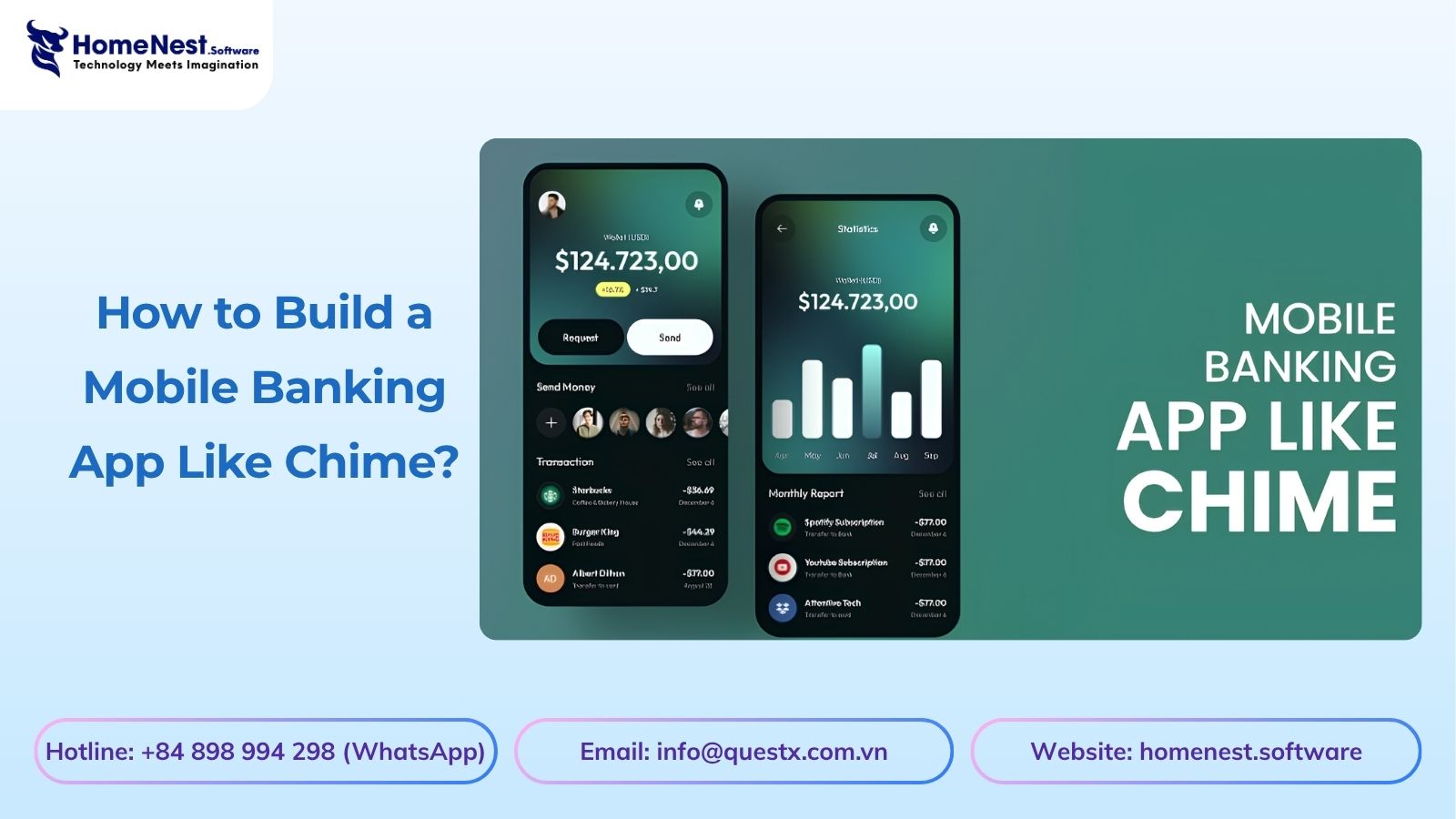
How to Build a Mobile Banking App Like Chime?
Building a mobile banking app like Chime is not just about features, it is about delivering a secure, scalable, and user-centric financial experience. From planning the right architecture to optimizing mobile banking app development cost, every decision directly impacts your product’s success. Leveraging Fintech app development services, starting with MVP app development, and scaling through on-demand app development solutions allows businesses to reduce risk and accelerate time to market. To stay competitive, combining Android app development services and iOS app development solutions ensures wider reach, while continuous updates through maintenance software development services keep your app secure and future-ready.

How to Build a Banking App Like Barclays: A Complete Entrepreneur’s Guide
Building a banking app like Barclays requires more than just development. It demands a strong product vision, secure architecture, and a clear monetization strategy. From optimizing cost and selecting the right tech stack to ensuring compliance and scalability, every decision impacts long-term success. Partnering with an experienced team like HomeNest Software helps accelerate development, reduce risks, and deliver a high-quality fintech product that can compete in today’s fast-evolving digital banking landscape.