
How Much Does It Cost to Develop a Mobile App
Scope of Work

When planning to build a mobile app, one of the first questions that naturally arises is, “How much does it cost to develop an app ?”
It’s a valid question—and one without a universal answer. Whether you’re a startup founder bringing a new app idea to life or an established business aiming to digitize operations, understanding mobile app development costs is essential for making well-informed decisions.
From initial concept to final launch, the cost of building a mobile app from scratch can vary significantly depending on factors such as app features, complexity, target platforms, and development approach.
Estimated Mobile App Development Costs: A Quick Breakdown

The cost of building a mobile app typically ranges from $10,000 to $150,000 or more, depending on several key factors. A basic mobile app with limited functionality usually costs between $8,000 and $25,000. Apps with moderate complexity—featuring custom functionalities, third-party APIs, and enhanced UI/UX—generally fall within the $25,000 to $60,000 range.
For advanced or enterprise-level applications such as food delivery platforms, dating apps, or online marketplaces, development costs can exceed $150,000+. These higher costs are often driven by complex backend systems, AI-powered features, real-time data synchronization, and multiple third-party integrations.
Mobile App Cost Overview
| App Type | Estimated Cost |
|---|---|
| Basic App | $8,000 – $25,000 |
| Medium Complexity App | $25,000 – $60,000 |
| Advanced / Enterprise App | $60,000 – $150,000+ |
In the sections below, we’ll break down the most important factors that directly influence mobile app development costs —helping you plan your budget with clarity and confidence.
Factors That Affect the Cost to Develop a Mobile App
The cost of developing a mobile app is influenced by multiple factors, from technical complexity to team expertise. Understanding these elements early helps you plan your budget realistically and avoid unexpected expenses later. Below is a clear breakdown of the key factors that determine mobile app development costs .
1. App Complexity
App complexity is one of the biggest cost drivers. The more advanced the features and workflows, the higher the development time and cost. Keeping functionality focused—especially for MVPs—can significantly reduce expenses.
App Complexity Overview
| App Complexity | Features Included | Estimated Cost | Timeline |
|---|---|---|---|
| Simple App | Basic UI, 1–5 screens, static content, no login, offline access | $8,000 – $25,000 | 1 – 2 months |
| Moderately Complex | User login, dashboard, payments, APIs, database, push notifications | $25,000 – $60,000 | 2 – 4 months |
| Highly Complex | Real-time chat, streaming, AI/ML, cloud backend, security, scalability | $60,000 – $150,000+ | 4 – 9+ months |
2. Platform Choice
Choosing between iOS, Android, or cross-platform development directly impacts cost and performance.
| Platform | Description | Estimated Cost | Best For |
|---|---|---|---|
| Android | Native development using Kotlin/Java | $10,000 – $70,000 | Large user base (India, SEA) |
| iOS | Native Swift-based development | $10,000 – $80,000 | Premium markets (USA, UK, UAE) |
| Cross-Platform | Flutter or React Native, single codebase | $15,000 – $90,000 | Startups, MVPs |
Cross-platform development saves time and cost but may involve slight performance trade-offs.
3. Design Quality
High-quality UI/UX plays a major role in user engagement—but it also affects cost. Clean, intuitive designs convert better, while advanced animations increase development effort.
| Design Level | Inclusions | Estimated Cost | Best For |
|---|---|---|---|
| Basic | Simple layout, default UI, minimal branding | $1,000 – $3,000 | MVPs, internal tools |
| Standard | Custom UI, branding, modern layouts | $3,000 – $8,000 | Business apps |
| High-End | Animations, micro-interactions, complex flows | $8,000 – $20,000+ | Consumer & lifestyle apps |
4. Development Team Location
Developer location strongly affects hourly rates and total cost.
| Location | Avg. Hourly Rate | Description | Overall Cost |
|---|---|---|---|
| North America | $100 – $250 | Top-tier quality, strong communication | $120,000 – $500,000+ |
| Western Europe | $70 – $200 | High quality, cultural alignment | $100,000 – $400,000 |
| Eastern Europe | $30 – $100 | Skilled, cost-effective | $50,000 – $250,000 |
| Australia | $70 – $120 | Stable talent pool | $80,000 – $150,000 |
| Southeast Asia | $20 – $70 | Affordable, fast-growing tech scene | $10,000 – $200,000 |
5. Developers’ Experience
More experience means higher rates—but often better architecture, fewer bugs, and lower long-term maintenance costs.
| Developer Level | Experience | Hourly Rate | Ideal For |
|---|---|---|---|
| Junior | 0–2 years | $20 – $40 | Prototypes, simple apps |
| Mid-Level | 2–5 years | $40 – $70 | Business apps |
| Senior | 5+ years | $70 – $120+ | Enterprise, AI, fintech |
6. Maintenance and Upgrades
Post-launch maintenance is often overlooked but essential for long-term success.
| Maintenance Type | Description | Annual Cost |
|---|---|---|
| Bug Fixes | Crash fixes, performance tuning | $1,000 – $5,000 |
| OS Updates | iOS/Android compatibility | $1,000 – $3,000 |
| Feature Enhancements | New modules, UI upgrades | $2,000 – $10,000+ |
| Server Maintenance | Scaling, monitoring, APIs | $1,000 – $8,000 |
7. Feature Integrations
Third-party integrations add value—but also complexity and cost.
| Feature | Description | Estimated Cost |
|---|---|---|
| User Login | Email, social authentication | $800 – $2,500 |
| Push Notifications | Alerts, segmentation | $1,000 – $3,000 |
| In-App Chat | Live chat, chatbot | $3,000 – $8,000 |
| Payment Gateway | Stripe, Apple Pay, Google Pay | $2,000 – $7,000 |
| Maps & Location | GPS, live tracking | $2,000 – $6,000 |
| Media & Streaming | Video/audio uploads | $5,000 – $15,000+ |
| AI/ML Features | Chatbots, recommendations | $10,000 – $30,000+ |
8. Customization Requirements
Highly customized apps require more time, deeper expertise, and specialized development—raising overall costs. The more unique your requirements, the higher the investment needed.
9. Security Requirements
Security is critical, especially for apps handling payments or personal data.
| Security Level | Features | Estimated Cost |
|---|---|---|
| Basic | HTTPS, authentication | $1,000 – $3,000 |
| Standard | Encryption, OAuth, JWT | $3,000 – $8,000 |
| Advanced | Biometrics, GDPR/HIPAA, audits | $8,000 – $20,000+ |
10. Testing & Quality Assurance
Rigorous testing ensures stability, performance, and user satisfaction.
| Testing Type | Description | Estimated Cost |
|---|---|---|
| Manual Testing | Functional & UI testing | $1,000 – $5,000 |
| Automated Testing | Large-scale test scripts | $3,000 – $10,000 |
| Performance Testing | Load & stress tests | $2,000 – $6,000 |
| Security Testing | Vulnerability checks | $2,000 – $8,000 |
| Cross-Platform Testing | Device compatibility | $2,000 – $6,000 |
11. Integration with Existing Systems
Integrating with existing CRMs, ERPs, or databases increases complexity and cost. Defining integration requirements early prevents delays and budget overruns later.
By understanding these cost-driving factors, you can plan your mobile app development budget more accurately and make smarter technical and business decisions. A well-scoped app with the right priorities always delivers better ROI than an overbuilt one.
Hidden Factors Affecting Mobile App Development Cost
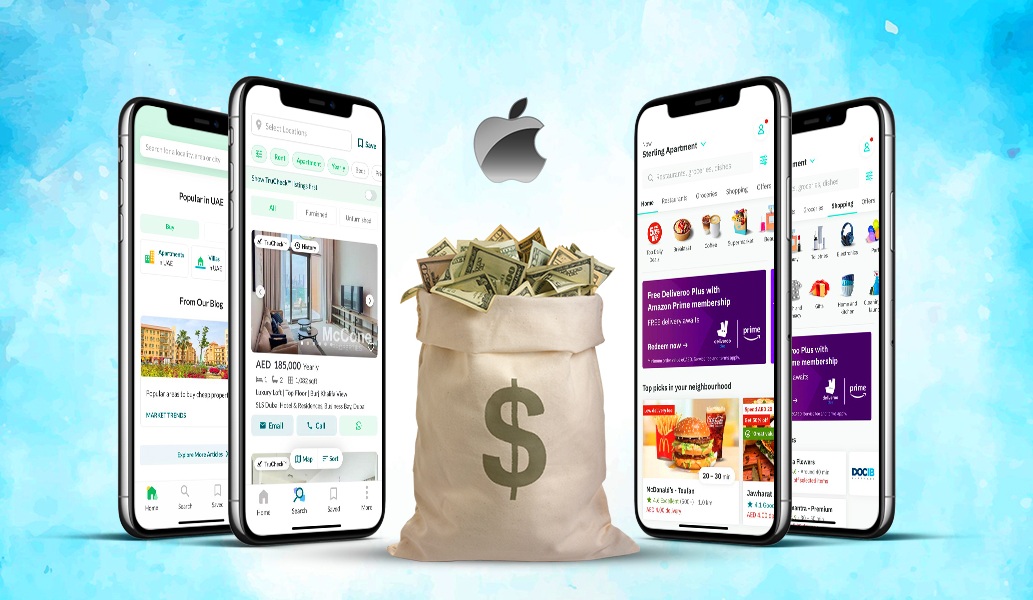
Beyond visible features and timelines, several hidden factors can significantly impact the total cost of mobile app development. Understanding these less-obvious cost drivers helps businesses avoid budget overruns and plan more effectively from the start.
App Complexity and Scalability Requirements
App complexity goes far beyond what appears in a feature list. Capabilities such as real-time synchronization, AI-driven personalization, and dynamic user-generated content require advanced backend architecture and significantly more development effort. Scalability is another critical consideration—apps designed to support thousands or millions of users must be built with load balancing, caching, and fault tolerance from day one. Ignoring scalability planning often leads to performance issues and expensive redevelopment later.
Third-Party API and SDK Integrations
Third-party services like payment gateways, mapping tools, and communication APIs can accelerate development but often introduce hidden costs. Many APIs operate on usage-based pricing models that increase as your user base grows. Additionally, ongoing API updates and compatibility changes require continuous maintenance, which can extend timelines and raise post-launch expenses if not planned properly.
Platform Choice: Native vs. Cross-Platform
The choice between native and cross-platform development has long-term cost implications. Native development for iOS and Android delivers superior performance and deeper platform integration but requires separate codebases and higher upfront investment. Cross-platform frameworks such as Flutter can reduce initial costs, but limited support for advanced features or platform-specific updates may increase maintenance or rebuilding costs over time.
Backend Infrastructure and Hosting
A robust backend infrastructure is essential for user authentication, data storage, and real-time interactions. Cloud platforms like AWS or Firebase provide scalability and flexibility, but they also introduce recurring hosting, monitoring, and maintenance costs. Additional expenses may arise from configuring CI/CD pipelines, performance monitoring, and data security—all of which are often underestimated during initial budgeting.
App Store and Play Store Readiness
Publishing an app involves more than just uploading code. Preparing store assets such as screenshots, descriptions, privacy disclosures, and compliance documentation requires time and effort. App review rejections can delay launch by days or weeks, while ongoing policy updates from Apple and Google may necessitate frequent app revisions, adding to long-term maintenance costs.
Development Team Location
The geographic location of your development team plays a major role in cost variation. Developers in regions like the US or UK typically charge significantly higher rates than teams in India or Eastern Europe. While outsourcing can be cost-effective, it requires strong project management, clear communication, and reliable collaboration processes to maintain quality and delivery timelines.
Hidden cost factors—such as scalability planning, API maintenance, infrastructure setup, and compliance requirements—can have a major impact on your overall mobile app development budget. Addressing these considerations early ensures smoother execution, better performance, and lower long-term costs.
The Most Popular App Types and Their Estimated Development Costs
Different app categories come with different technical requirements, feature sets, and infrastructure needs—directly impacting development cost. Below are some of the most popular mobile app types , along with their core features and estimated development budgets.
Zomato – Food Delivery App
Zomato is one of the world’s most well-known food delivery platforms, enabling users to explore nearby restaurants, read and post reviews, place orders, and track deliveries in real time. A Zomato-like app typically includes three major panels: customers, restaurants, and delivery partners—each with its own set of features.
Key functionalities include menu management, live order tracking, secure payment processing, real-time notifications, and ratings and reviews. A robust admin dashboard is also required to manage users, commissions, orders, and analytics.
Estimated Development Cost : $10,000 – $100,000+
Blinkit – Grocery Delivery App
Blinkit is known for its ultra-fast grocery delivery model, often delivering orders within minutes. Building a similar app requires real-time inventory integration, warehouse management, and highly optimized delivery logistics.
Essential features include product search and filtering, cart and checkout, discount codes, live order tracking, in-app payments, and customer support. The admin system must handle inventory syncing, pricing zones, delivery partner coordination, and order analytics.
Estimated Development Cost : $10,000 – $100,000+
Tinder – Dating App
Tinder transformed online dating with its swipe-based matching system. A Tinder-like dating app requires user profiles, image uploads, location-based matching, real-time chat, and AI-driven recommendation algorithms.
Privacy and security are critical, along with monetization features such as in-app purchases, premium subscriptions, and profile boosts. Admin panels support user moderation, reporting tools, analytics, and revenue management.
Estimated Development Cost : $10,000 – $100,000+
Uber – Taxi Booking App
Uber-style apps allow users to book rides with real-time GPS tracking, fare estimation, and route optimization. These platforms usually include passenger apps, driver apps, and a centralized admin dashboard.
Key components include geolocation APIs, live driver allocation, surge pricing logic, payment gateways, trip history, and ratings. Driver-side features such as earnings tracking and availability management are also essential.
Estimated Development Cost : $10,000 – $100,000+
Netflix – OTT Streaming App
Netflix delivers subscription-based video streaming with personalized recommendations and multi-device support. Developing a similar OTT app requires video-on-demand capabilities, adaptive streaming, content protection (DRM), and AI-powered recommendations.
The backend must support content storage, streaming infrastructure, user authentication, subscription management, and detailed analytics. A seamless UI/UX is critical to keep users engaged.
Estimated Development Cost : $10,000 – $100,000+
Practo – Healthcare App
Practo connects patients with doctors for in-person and online consultations. Core features include doctor discovery, appointment booking, video consultations, digital prescriptions, and health record management.
Healthcare apps demand strict data security and regulatory compliance. Backend systems must support scheduling, real-time communication, payment processing, and patient data storage, along with an admin panel for managing providers and reports.
Estimated Development Cost : $10,000 – $100,000+
Zillow – Real Estate App
Zillow allows users to buy, rent, or sell properties with advanced filters, map-based search, and price estimates. A Zillow-like app requires property listings, media uploads, geolocation, mortgage calculators, and agent communication tools.
Additional complexity comes from integrations with MLS databases, virtual tours, and valuation models. Admin dashboards manage listings, agents, leads, and performance analytics.
Estimated Development Cost : $10,000 – $100,000+
Co–Star – Astrology App
Co–Star is an AI-powered astrology app that uses astronomical data and machine learning to deliver personalized horoscopes. Similar apps require birth chart calculations, astrology APIs, user profiling, and real-time content updates.
Popular features include zodiac compatibility, daily notifications, social comparisons, and premium subscriptions. The backend must handle dynamic data processing and content management efficiently.
Estimated Development Cost : $10,000 – $100,000+
Key Insight
While the estimated cost range distinguishes complexity levels, the final budget depends on features, scalability, integrations, and long-term maintenance needs. Choosing the right architecture and development strategy early can significantly optimize costs across all app categories.
App Development Cost Breakdown by Industry
Mobile app development costs vary across industries based on feature requirements, security standards, integrations, and overall complexity. Below is an estimated cost overview by app category to help you understand typical budget ranges .
Estimated Mobile App Development Costs by Industry
| App Type | Estimated Cost |
|---|---|
| eCommerce Mobile Apps | $10,000 – $100,000+ |
| On-Demand Mobile Apps | $10,000 – $100,000+ |
| Social Media Mobile Apps | $10,000 – $100,000+ |
| Healthcare Mobile Apps | $10,000 – $100,000+ |
| Educational Mobile Apps | $10,000 – $100,000+ |
| Fitness Mobile Apps | $10,000 – $100,000+ |
| Travel Mobile Apps | $10,000 – $100,000+ |
| Gaming Mobile Apps | $10,000 – $100,000+ |
| Real Estate Mobile Apps | $10,000 – $100,000+ |
| Finance Mobile Apps | $10,000 – $100,000+ |
Note: These figures represent average development cost estimates. The final cost may vary depending on app complexity, features, security requirements, third-party integrations, and long-term scalability needs.
In the next section, we’ll dive deeper into the specific factors that influence mobile app development costs and how you can optimize your budget effectively.
From Idea to Launch: Step-by-Step Mobile App Development Process & Cost Breakdown (2026)
Building a mobile app is a structured journey that moves from strategy to execution and long-term optimization. Below is a clear, step-by-step overview of the mobile app development process , along with estimated costs at each stage.
Discovery & Research Phase
Every successful mobile app begins with a strong foundation. During this phase, app goals are defined, target audiences are identified, and detailed market and competitor research is conducted. The insights gathered help create a clear development roadmap aligned with business objectives and user expectations.
Estimated Cost: $1,000 – $5,000
UI/UX Design & Wireframing
Design plays a critical role in user engagement and retention. This stage focuses on creating intuitive user flows, wireframes, and visually appealing UI/UX designs that enhance usability. A well-designed interface improves user experience and increases conversion rates in competitive app markets.
Estimated Cost: $2,000 – $10,000
Mobile App Development (Frontend & Backend)
This is the core development phase where developers build the app’s frontend and backend systems. It includes database setup, API development, server logic, and user-facing interfaces. Costs vary depending on app complexity, features, integrations, and whether the app is built natively or cross-platform.
Estimated Cost: $10,000 – $100,000+
Testing & Quality Assurance
Before launch, the app undergoes rigorous testing to identify bugs, performance issues, and compatibility problems across devices and platforms. Thorough quality assurance ensures a smooth user experience, builds trust, and minimizes negative reviews post-launch.
Estimated Cost: $2,000 – $15,000
App Deployment & Launch
Once development and testing are complete, the app is prepared for release on the Apple App Store and Google Play Store. This phase includes app store submissions, compliance checks, and basic App Store Optimization (ASO) to support a successful launch.
Estimated Cost: $500 – $3,000
Post-Launch Support & Maintenance
After launch, ongoing maintenance is essential to keep the app secure, performant, and aligned with evolving user expectations. This includes bug fixes, feature updates, performance optimization, and compatibility with new OS versions.
Estimated Cost: $1,000 – $10,000 per year
From idea to launch, mobile app development requires careful planning, strategic investment, and ongoing optimization. Understanding each phase and its associated costs helps businesses set realistic budgets and build apps that scale successfully over time.
HomeNest Software: Your Trusted Partner for App Cost Planning & Estimation
When planning a mobile app, one question always comes first: “How much will it really cost?”
At HomeNest Software, we go beyond rough estimates. We deliver strategic, transparent, and accurate cost planning—so every dollar you invest creates real, measurable value.
As a leading mobile app development company serving clients across India, the USA, the UK, and the UAE, we bring over a decade of experience building scalable digital products across industries including eCommerce, healthcare, logistics, education, real estate, and more. With 100+ in-house experts—developers, UI/UX designers, QA engineers, and project managers—we’ve successfully delivered 1,200+ mobile app projects worldwide.
What Sets Us Apart?
Deep Technical Expertise
Our experienced engineers work with modern and proven technologies such as Flutter, React Native, Kotlin, Swift, Node.js, and AI-driven integrations. This allows us to recommend the most efficient tech stack based on your specific requirements—not assumptions.
Personalized Cost Consultation
We don’t believe in one-size-fits-all pricing. Our team provides detailed, feature-based and platform-specific cost breakdowns, giving you complete clarity on where your budget goes and how it supports your goals.
Trusted by Global Clients
With consistent 5-star ratings on platforms like Clutch, GoodFirms, and Google, our reputation is built on transparency, on-time delivery, and budget reliability—not just technical execution.
MVP-to-Enterprise Roadmaps
Whether you’re launching a startup MVP or scaling an enterprise-grade application, we help you choose cost-effective development strategies that support rapid launch and long-term growth.
End-to-End Lifecycle Support
From ideation and design to development, testing, deployment, and post-launch maintenance, our cost estimation covers the entire app lifecycle—so you can plan confidently without hidden surprises.
Final Thoughts
Building a mobile app today requires careful planning, realistic budgeting, and the right technical partner. On average, mobile app development costs can range from $10,000 to $100,000 or more, depending on factors such as app complexity, platform choice, design quality, and feature set.
You can optimize costs by clearly defining requirements, starting with an MVP, choosing cross-platform development when appropriate, prioritizing essential features, leveraging existing tools, and planning ahead for maintenance.
With the right strategy and a trusted development partner, it’s entirely possible to build a high-performing, scalable mobile application that fits your budget—and delivers long-term business value.
HomeNest Software – Empowering Long-Term Growth for Modern Businesses.

Contact Information:
- Address: The Sun Avenue, 28 Mai Chi Tho Street, Binh Trung Ward, Ho Chi Minh City
- Hotline: +84 898 994 298 ( WhatsApp )
- Website: homenest.software
HomeNest Services: Website Design – App Design – Software Development – Digital Marketing.
Frequently Asked Questions (FAQs)
1. How much does it cost to develop a mobile app ?
The cost to develop a mobile app typically ranges from $10,000 to $100,000+, depending on app complexity, features, platform (iOS, Android, or cross-platform), design quality, and development team location.
2. How does HomeNest Software estimate mobile app development costs?
HomeNest Software provides feature-based and platform-specific cost estimation. We analyze your app idea, target users, technical requirements, integrations, and scalability needs to deliver a transparent and accurate budget breakdown.
3. Can you help reduce mobile app development costs?
Yes. We help clients reduce costs by starting with an MVP, prioritizing core features, using cross-platform frameworks when suitable, reusing existing solutions, and planning scalable architecture to avoid costly rework later.
4. Do you provide cost estimates for MVP and enterprise apps?
Absolutely. We support both startup MVPs and enterprise-grade applications, offering clear cost roadmaps that scale as your product grows—without unnecessary upfront investment.
5. What industries does HomeNest Software specialize in?
We have experience building mobile apps across industries such as eCommerce, healthcare, fitness, logistics, education, real estate, fintech, and on-demand services.
6. Are post-launch maintenance and updates included in the cost?
Our estimates clearly separate development and post-launch maintenance. We help you plan annual maintenance costs that cover bug fixes, OS updates, feature upgrades, and performance optimization.
7. Which technologies do you use for mobile app development?
We work with modern technologies including Flutter, React Native, Kotlin, Swift, Node.js, cloud platforms (AWS, Azure), and AI/ML integrations—selecting the stack that best fits your budget and goals.
8. How long does it take to build a mobile app?
Development timelines vary by complexity. Simple apps may take 1–2 months, medium-complexity apps 2–4 months, and advanced or enterprise apps 6–9 months or more.
9. Do you sign NDAs and ensure data security?
Yes. We sign NDAs and follow strict security practices to protect your intellectual property, business data, and user information throughout the development lifecycle.
10. How can I get a custom app cost estimate from HomeNest Software?
You can contact our team with your app idea or requirements. We’ll provide a free consultation and detailed cost estimation tailored to your project scope and business objectives.
Latest Articles
View All
GitHub vs GitLab – Architecture and Selection Guide
Managing source code requires stable infrastructure. Automating software releases requires reliable pipelines. Tool sprawl creates operational complexity. Engineering teams face friction when using fragmented DevOps tools. Selecting between GitHub and GitLab shapes long term development efficiency.
The True Cost of an Employee: A Complete Breakdown for Employers
This article reveals that the true cost of an employee is typically 25% to 40% higher than their base salary due to hidden expenses like taxes, benefits, workspace, and recruiting. To address this, the guide provides a detailed 7-step framework to accurately calculate total employer costs, alongside actionable strategies to optimize budgets and improve retention without reducing pay.
Essential Tips To Develop A Music Streaming App
Discover expert tips to develop a successful music streaming app with HomeNest Software. This guide covers essential features, legal licensing, and scalable technology stacks. Learn how to build a robust, cross-platform application with AI personalization to stand out in the 2026 competitive audio market.
How to Build a Language Learning App Like Cake
Discover how to build a successful language learning app like Cake with this comprehensive guide from HomeNest Software. We explore market research, essential MVP features, advanced AI integrations, tech stack selection, and estimated development costs. Partner with HomeNest Software to create a scalable, gamified, and highly engaging educational platform tailored to your business goals. Start your app development journey with us today.
How to Build an App Like TaskRabbit: Features, Cost, Tech Stack – Business Model
Building an app like TaskRabbit is more than replicating existing features—it’s about creating a trusted marketplace that seamlessly connects customers with skilled service providers. By combining an intuitive user experience, secure payment systems, scalable architecture, and the right business model, you can launch a competitive on-demand platform. Partnering with an experienced app development company like HomeNest Software ensures your product is built with the technology, flexibility, and long-term scalability needed to succeed in the rapidly growing gig economy.
How to Build a Meal Planning App: A Complete Step-by-Step Guide
Building a successful meal planning app goes beyond creating an attractive interface it requires a clear business strategy, personalized user experiences, and scalable technology. By combining essential features like AI-powered meal recommendations, nutrition tracking, grocery list automation, and wearable integration, businesses can deliver lasting value to users while capitalizing on the growing digital health market. Partnering with an experienced mobile app development company ensures your solution is secure, future-ready, and designed to succeed in an increasingly competitive health-tech industry.