
How to Build a Ride-Hailing App Like Bolt: Complete Guide
Building a successful ride-hailing app like Bolt requires a strategic combination of the right business model, scalable technology, and user-focused design supported by strong Mobile App Development and Enterprise Software Development capabilities to deliver a secure, efficient, and competitive platform in an increasingly saturated mobility market.
Scope of Work

If you search for the most popular ride hailing apps on Google, names like Uber, Lyft, Careem, Gett, and Bolt consistently appear at the top. Among them, Bolt has emerged as a standout player, rapidly gaining market share and recognition in a relatively short time.
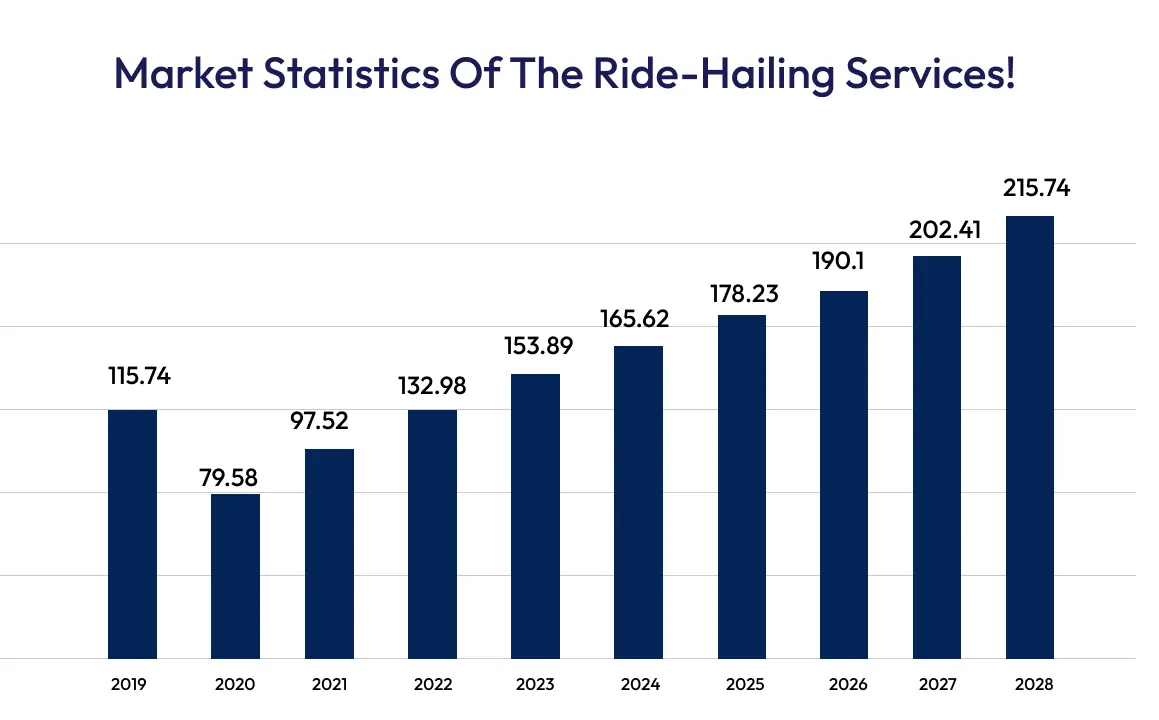
According to Statista, the global ride hailing market is on a strong upward trajectory. Revenue from taxi booking services is projected to reach $386.2 billion by 2026, with an estimated 1.66 billion users worldwide relying on ride hailing apps.
These figures highlight a clear trend: the demand for digital mobility solutions is accelerating, creating significant opportunities for new entrants. As a result, an increasing number of startups and enterprises are investing in taxi booking mobile app development to capture market share.
If you’re planning to build an app like Bolt and compete with industry leaders, this guide will walk you through everything you need to know from development processes and core features to cost considerations and key success factors.
What Is the Bolt App?
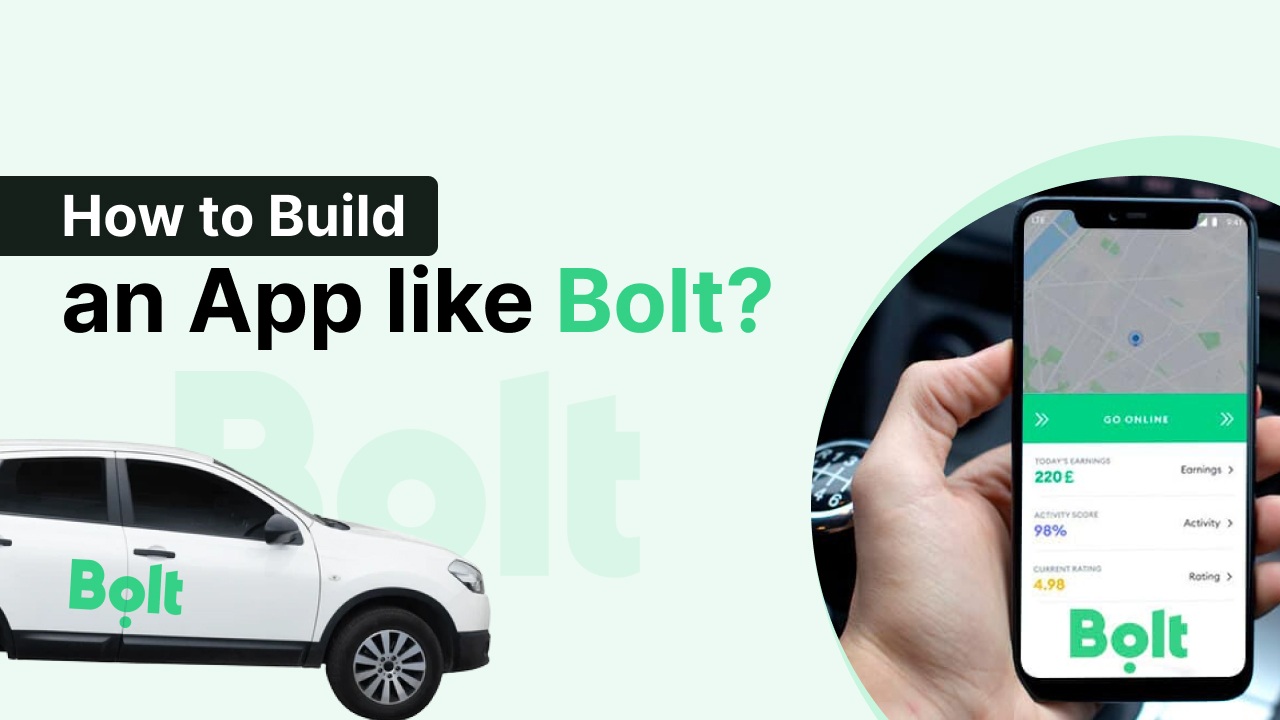
Bolt is an on demand ride hailing platform that enables users to book rides instantly through a mobile application while allowing drivers to register and earn by offering transportation services. The app leverages GPS technology to match riders with nearby drivers, optimize routes, and provide real time tracking for a seamless and efficient travel experience.
What sets Bolt apart is its strong emphasis on affordability, safety, and fairness for both passengers and drivers. Users can expect quick pickups, smooth journeys, and flexible ride options including car rides and alternative mobility solutions such as bikes helping them navigate traffic more efficiently.
Market Outlook for Ride Hailing Apps
The ride hailing industry, particularly in the United States, continues to demonstrate significant scale and long term potential:
- Revenue is projected to reach $139.6 billion by 2026, reflecting the massive demand for on demand mobility solutions.
- The market is expected to experience a slight CAGR decline of 1.26% between 2026 and 2029, indicating a phase of stabilization after rapid growth.
- By 2029, the taxi and ride hailing market is anticipated to reach approximately $132.7 billion in size.
- The average revenue per user (ARPU) is estimated at around $550 per user.
These projections highlight a maturing yet highly valuable market, where innovation, operational efficiency, and user experience will be key differentiators for new entrants.
Business Model of a Ride Hailing App Like Bolt
A well defined and strategically designed business model is fundamental to the success of any ride hailing platform. Apps like Bolt function as digital intermediaries, seamlessly connecting passengers with drivers while delivering fast, reliable, and cost efficient transportation services. At the core of this model is the facilitation of ride transactions and the generation of revenue through commissions, service fees, and value added services.
A typical ride hailing ecosystem is built around three key components, each playing a critical role in ensuring a smooth and scalable operation:
Passenger App
The passenger app serves as the primary interface for users. It enables riders to book trips effortlessly by entering pick up and drop off locations, selecting vehicle types, and choosing preferred payment methods.
Key capabilities include:
- Real time ride tracking and driver location updates
- Upfront fare estimates for pricing transparency
- Multiple payment options (cash, card, digital wallets)
- Ratings and reviews to maintain service quality
The goal is to deliver a frictionless, intuitive experience that encourages repeat usage and builds trust.
Driver App
The driver app is designed to empower drivers with the tools needed to manage trips efficiently and maximize earnings.
Core functionalities include:
- Instant notifications for incoming ride requests
- Flexibility to accept or decline rides based on availability
- GPS navigation for optimized routes and faster pickups
- Earnings dashboard with trip history and performance insights
This component ensures operational efficiency while giving drivers autonomy and visibility over their work.
Admin Dashboard
The admin dashboard acts as the control center of the entire platform, providing full visibility and governance over operations.
Key functions include:
- User and driver management
- Real time ride monitoring and tracking
- Payment processing and commission management
- Dispute resolution and customer support handling
- Advanced analytics and reporting for data driven decisions
By centralizing control and insights, the admin panel ensures the platform runs efficiently, maintains service quality, and scales effectively.
A successful ride hailing business model is not just about connecting riders and drivers it’s about orchestrating a well integrated ecosystem where technology, operations, and user experience work together seamlessly.
Steps to Build a Ride Hailing App Like Bolt
Building a successful ride hailing platform like Bolt requires more than just development it demands a structured approach that combines market validation, technology, and execution. Below is a refined, end to end process to guide you:
Define Your Niche and Validate the Idea
Start by clearly identifying your target market and use case. Are you focusing on urban commuters, corporate transport, or niche segments like eco friendly rides or bike taxis? Validate your idea through market research and competitor analysis to uncover gaps and opportunities. A well defined niche helps you differentiate and build a loyal user base.
Build an MVP (Minimum Viable Product)
Before investing in a full scale solution, develop an MVP to test your concept in the real market. This initial version should include only core features such as ride booking, driver matching, and payments. An MVP allows you to gather user feedback, reduce risk, and refine your product strategy early.
Choose the Right Tech Stack
Selecting the appropriate technology stack is critical for performance, scalability, and long term success. This includes decisions around mobile frameworks (native or cross platform), backend architecture, cloud infrastructure, and third party integrations (maps, payments, notifications). A strong tech foundation ensures your app can scale efficiently as demand grows.
Hire a Skilled Development Team
Partner with an experienced mobile app development company or build an in house team with expertise in ride hailing systems. A capable team comprising developers, designers, and architects can translate your business idea into a high quality, production ready application.
Develop the Application
With the team and strategy in place, begin full scale development. This phase involves building user apps (passenger and driver), backend systems, and admin dashboards. Focus on delivering a seamless user experience, robust security, and data privacy to build trust and reliability.
Test for Quality and Performance
Comprehensive testing is essential before launch. Conduct functional, performance, and security testing to ensure the app runs smoothly under real world conditions. Engaging experienced QA engineers helps identify and resolve issues early, preventing costly failures post launch.
Launch and Optimize
Once testing is complete, publish your app on platforms like the App Store and Google Play. Follow all submission guidelines and provide complete app details. Post launch, focus on marketing, user acquisition, and continuous improvement through regular updates, bug fixes, and performance optimization.
Success in ride hailing app development comes from combining clear strategy, strong execution, and continuous iteration. By starting lean, validating early, and scaling with the right technology and team, you can build a competitive platform in a rapidly evolving mobility market.
Key Features to Build an App Like Bolt
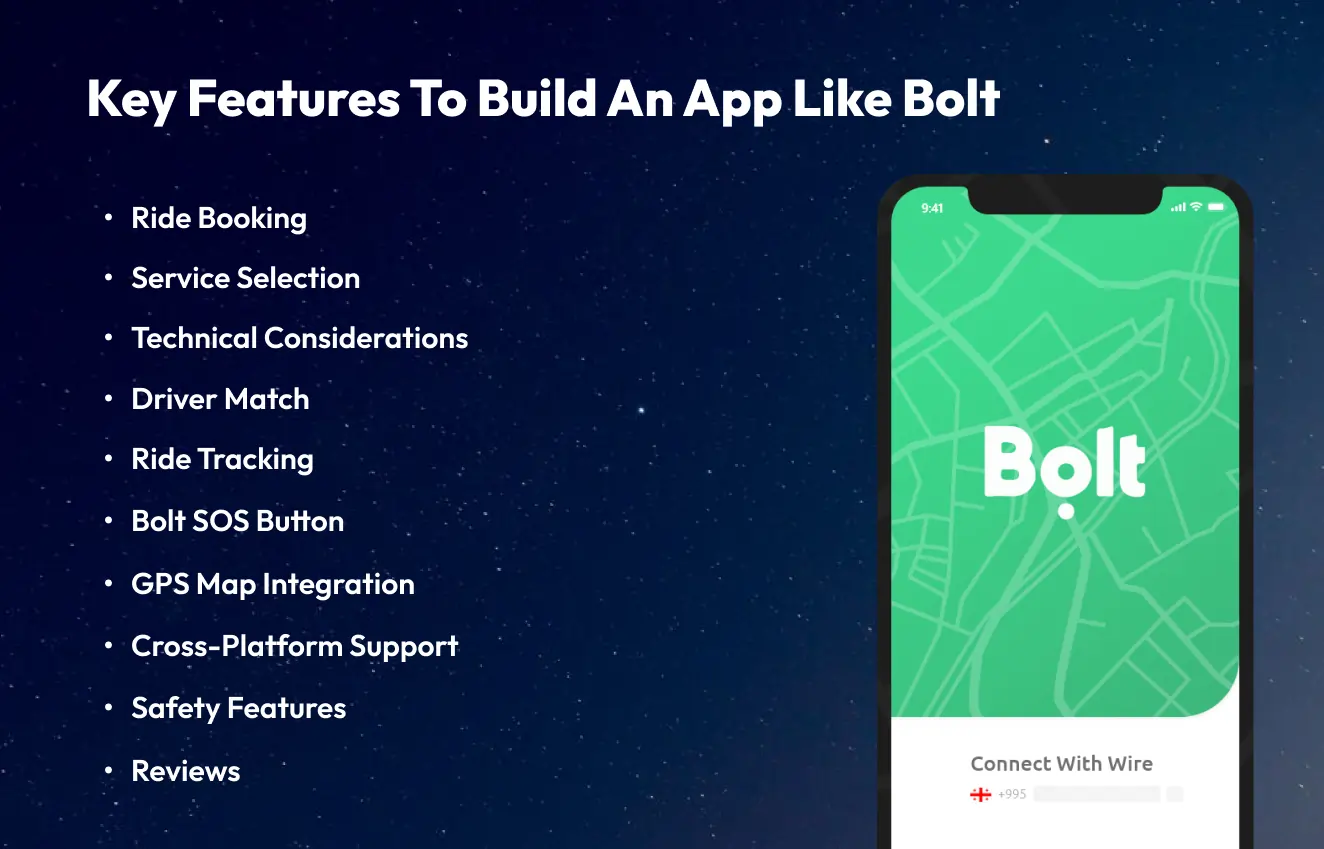
When developing a ride hailing platform similar to Bolt, selecting the right feature set is critical. The goal is not just to replicate functionality, but to deliver a safe, seamless, and scalable user experience that differentiates your app in a competitive market.
Ride Booking
At the core of any ride hailing app is the ability to book rides quickly and effortlessly. Users should be able to enter pickup and drop off locations via an interactive map, with automatic location detection enabled through GPS for convenience and accuracy.
Service Selection
Offering multiple ride options enhances user flexibility. Whether it’s economy rides, premium cars, larger vehicles, or bike taxis, giving users the ability to choose ensures a more personalized and satisfying experience.
Smart Driver Matching
An intelligent matching algorithm connects users with the nearest available drivers. This minimizes waiting time, optimizes routes, and improves efficiency for both riders and drivers reducing idle time and fuel consumption.
Real Time Ride Tracking
Live tracking allows users to monitor their ride from booking to drop off. This feature improves transparency, enhances trust, and ensures safety by enabling quick detection of route deviations.
SOS Emergency Button
Safety is a top priority. An integrated SOS feature allows users to send alerts or contact emergency services instantly, sharing real time location data for faster response in critical situations.
GPS & Map Integration
Robust map integration is essential for navigation, route optimization, and tracking. It enables users to view driver locations, estimated arrival times, and trip routes in real time, ensuring a smooth and predictable journey.
Cross Platform Compatibility
To maximize reach, your app should support both iOS and Android platforms or leverage cross platform development. Broader compatibility ensures access to a larger user base and improves adoption rates.
Safety & Security Features
Beyond SOS, additional safety measures such as driver verification, trip sharing, ride history, and secure payments help build trust among users and drivers alike.
Ratings & Reviews System
A two way rating system allows both riders and drivers to provide feedback. This promotes accountability, improves service quality, and helps maintain a safe and reliable ecosystem.
Technical Considerations
In addition to user facing features, your app must incorporate essential backend technologies such as scalable infrastructure, real time data processing, and secure APIs to ensure high performance and reliability.
Building a ride hailing app like Bolt requires a balance between core functionality, advanced technology, and user centric design. By focusing on performance, safety, and flexibility, you can create a platform that not only meets user expectations but also stands out in a crowded market.
Top 5 Ride Hailing Apps Like Bolt
If you’re exploring alternatives to Bolt, several well established platforms dominate the global ride hailing market. Each offers unique features, regional strengths, and service variations worth considering:
Uber
Uber is one of the most recognized ride hailing platforms worldwide, operating across hundreds of cities. It offers a wide range of services from budget friendly rides to premium options along with additional features like food delivery and freight services.
Lyft
Primarily active in the United States and parts of Canada, Lyft provides services similar to Uber, including standard rides and shared options. It is known for its user friendly interface and strong focus on customer experience.
DiDi
DiDi (DiDi Chuxing) is a major player in Asia and Latin America. Beyond traditional taxi booking, it offers multiple mobility solutions such as private car rides, bike sharing, and other transportation services.
Grab
Grab is a leading super app in Southeast Asia, providing ride hailing, food delivery, and digital payment services. It supports both car and motorbike rides, making it highly adaptable to urban mobility needs in the region.
Ola
Ola is a dominant ride hailing platform in India and has expanded into other markets. It offers diverse transportation options, including cars, auto rickshaws, and, in some cities, bike services.
These platforms demonstrate how diverse the ride hailing ecosystem has become. Each app differentiates itself through service variety, regional focus, and ecosystem expansion, offering valuable insights for businesses looking to build or scale a ride hailing solution.
How Much Does It Cost to Build an App Like Bolt?
When planning to launch a ride hailing platform similar to Bolt, one of the most common questions is cost. The answer depends on multiple variables, including feature scope, platform choice, and development complexity.
As a general benchmark, a basic ride hailing app can cost between $5,000 and $15,000+, while a more advanced, enterprise grade solution with full functionality can exceed this range significantly.
Key Factors That Influence Development Cost
Feature Complexity
The more advanced your feature set, the higher the development cost. Core functionalities such as real time tracking, ride matching, in app payments, and driver–rider communication require sophisticated architecture. Adding features like dynamic pricing, AI based routing, or analytics further increases both cost and development time.
Platform Coverage (iOS & Android)
Building for multiple platforms increases overall investment. Supporting both iOS and Android requires separate development, testing, and optimization processes unless you opt for cross platform frameworks, which can reduce time and cost to some extent.
UI/UX Design Quality
A seamless, intuitive user experience is a major success factor. Investing in high quality UI/UX design improves engagement and retention but also adds to upfront costs due to design research, prototyping, and testing.
Third Party Integrations
Modern ride hailing apps rely heavily on external services such as:
- Payment gateways
- GPS and mapping systems
- Messaging and notification services
Integrating and maintaining these systems contributes significantly to the total development budget.
Security & Compliance
Ensuring data protection and regulatory compliance is critical. Standards such as PCI DSS (for payment security) and GDPR (for data privacy) require additional development effort, infrastructure, and ongoing maintenance ultimately increasing the overall cost.
The cost of building a Bolt like app is not fixed it scales with your ambition. A lean MVP helps you validate the market quickly, while a fully featured platform demands a larger investment but delivers greater scalability and competitive advantage in the long run.
Conclusion
Building a ride hailing app like Bolt goes far beyond having a compelling idea. It requires a well defined business model, a user centric design approach, advanced technology, and a deep understanding of market dynamics. From developing high performance rider and driver applications to implementing a robust admin dashboard, every component must operate in sync to deliver a seamless, reliable, and efficient experience.
In a highly competitive landscape, success depends on strategic execution choosing the right tech stack, ensuring security and trust, and continuously evolving based on user feedback and industry trends. With the right approach and a capable development partner, businesses can build scalable, future ready ride hailing platforms that not only meet modern mobility demands but also compete effectively with established market leaders.
Frequently Asked Questions (FAQs)
What is a ride hailing app like Bolt?
A ride hailing app is a digital platform that connects passengers with nearby drivers, enabling users to book rides, track trips in real time, and make cashless payments through a mobile application.
How long does it take to build a ride hailing app?
Development timelines typically range from 3 to 6 months for an MVP and 6–12 months for a full featured, scalable platform, depending on complexity and team size.
What are the essential features of a ride hailing app?
Core features include ride booking, real time tracking, driver matching, payment integration, push notifications, ratings and reviews, and an admin dashboard for platform management.
How do ride hailing apps make money?
Revenue is generated through commissions on each ride, surge pricing, service fees, subscription plans, and additional services such as in app promotions or partnerships.
What technologies are used in ride hailing app development?
Common technologies include React Native, Flutter, Node.js, cloud platforms (AWS, Azure), GPS APIs, and payment gateways to ensure scalability and real time performance.
Is it better to build for Android, iOS, or both?
For maximum reach, most businesses develop for both platforms. Cross platform frameworks can help reduce development time and cost while maintaining consistent performance.
What factors affect the cost of building a ride hailing app?
Key factors include feature complexity, platform selection, UI/UX design quality, third party integrations, and security/compliance requirements.
How do you ensure safety in a ride hailing app?
Safety features include real time tracking, SOS emergency buttons, driver verification, trip sharing, secure payments, and a two way rating system for accountability.
Can startups compete with apps like Uber or Bolt?
Yes, startups can compete by focusing on niche markets, offering better pricing models, improving user experience, or targeting underserved regions with tailored solutions.
Why choose HomeNest Software for ride hailing app development?
HomeNest Software provides end to end solutions across Mobile App Development and Enterprise Software Development, delivering scalable, secure, and high performance ride hailing platforms tailored to your business goals.
Latest Articles
View All
Top Features That Make A Taxi Booking App Stand Out In 2026
Building a standout taxi booking app in 2026 requires a forward-looking tech strategy. From AI-driven personalized booking and real-time IoT telematics to scalable cloud-native engineering, HomeNest Software highlights the essential features and technical recommendations needed to boost user retention, optimize fleet operations, and dominate the modern mobility market.
How Much Does It Cost To Develop A Food Delivery App Like Zomato?
Discover the complete cost breakdown and technical roadmap to build a Zomato-like food delivery app with HomeNest Software. This guide explores budget tiers, the essential 4-panel architecture (Customer, Merchant, Driver, Admin), modern tech stack recommendations, and proven monetization strategies. Learn how HomeNest Software transforms your digital platform vision into a scalable, high-yielding business asset!

GitHub vs GitLab – Architecture and Selection Guide
Managing source code requires stable infrastructure. Automating software releases requires reliable pipelines. Tool sprawl creates operational complexity. Engineering teams face friction when using fragmented DevOps tools. Selecting between GitHub and GitLab shapes long term development efficiency.
The True Cost of an Employee: A Complete Breakdown for Employers
This article reveals that the true cost of an employee is typically 25% to 40% higher than their base salary due to hidden expenses like taxes, benefits, workspace, and recruiting. To address this, the guide provides a detailed 7-step framework to accurately calculate total employer costs, alongside actionable strategies to optimize budgets and improve retention without reducing pay.
Essential Tips To Develop A Music Streaming App
Discover expert tips to develop a successful music streaming app with HomeNest Software. This guide covers essential features, legal licensing, and scalable technology stacks. Learn how to build a robust, cross-platform application with AI personalization to stand out in the 2026 competitive audio market.
How to Build a Language Learning App Like Cake
Discover how to build a successful language learning app like Cake with this comprehensive guide from HomeNest Software. We explore market research, essential MVP features, advanced AI integrations, tech stack selection, and estimated development costs. Partner with HomeNest Software to create a scalable, gamified, and highly engaging educational platform tailored to your business goals. Start your app development journey with us today.