
How To Create A Taxi App Like Grab?
Building a successful ride-hailing app like Grab requires more than just development it demands a clear business model, scalable architecture, and a user-centric feature set. By carefully balancing cost, technology, and user experience, and partnering with an experienced provider like HomeNest Software, businesses can launch a competitive, high-performance platform with strong potential for long-term growth and ROI.
Scope of Work

Are you planning to build an app like Grab and tap into the fast growing ride hailing market? That’s a strategic move for any taxi or car rental business.
The global taxi and mobility market is expanding rapidly and is projected to reach $468.4 billion by 2033, growing at a CAGR of 7% (2024–2033). This growth highlights a strong opportunity for businesses looking to enter or scale within the on demand transportation space.
Developing an app similar to Grab allows companies to deliver seamless mobility services, efficiently connect drivers with riders, and unlock multiple revenue streams. It’s an ideal approach for startups, taxi operators, and ride sharing businesses aiming for long term, scalable growth.
However, two critical questions always come first: How do you build such an app, and how much will it cost? These are essential considerations, especially when you’re investing in the future of your business.
The reality is that building a Grab like platform requires a structured development approach, backed by technical expertise and industry experience. The Grab app development cost can vary significantly depending on factors such as feature complexity, integrations, platform choice, and system architecture.
To help you navigate this process, we’ve created a comprehensive guide covering everything you need to know from how apps like Grab operate, to key features, development steps, and cost drivers. Whether you’re a startup or an established company, this guide will serve as your roadmap to building a successful and scalable ride hailing application.
What Is Grab Taxi?
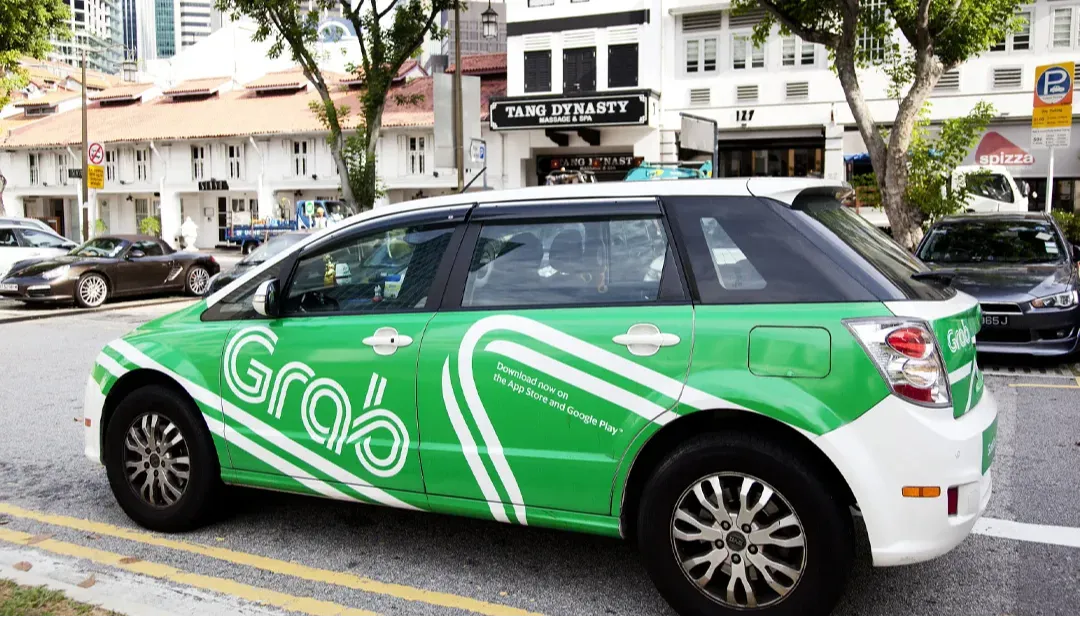
Grab is one of Southeast Asia’s leading ride hailing platforms, transforming how people travel and access everyday services. What began as a simple taxi booking solution has evolved into a full scale super app that supports transportation, food delivery, digital payments, and more.
Need a ride? Grab offers options like GrabCar and GrabBike for quick, reliable transport. Hungry? GrabFood delivers meals from your favorite restaurants. Beyond that, Grab has expanded into financial services with GrabPay and even insurance making it an all in one platform for daily needs.
Its well known positioning, “The safest way to travel in Southeast Asia,” reinforces a strong focus on trust, safety, and user experience key factors behind its widespread adoption.
What You Can Do with a Grab Like App
A platform like Grab enables users to:
- Book rides quickly and travel to any destination
- Ensure safety with verified drivers, real time tracking, and SOS features
- Make secure, cashless payments
- Order food and explore local dining options
- Access everyday essentials and on demand services
Growth and Evolution
Founded in 2012, Grab started as a taxi booking app but rapidly expanded into a multi service ecosystem. Today, it operates across 8 countries and 500+ cities, serving millions of users daily.
What Makes Grab Stand Out
Grab differentiates itself from traditional taxi apps through:
- Integration of multiple services within one platform
- Strong focus on safety and reliability
- Use of advanced technologies, including AI and real time data processing
- Seamless user experience across transportation, delivery, and payments
Grab is more than just a ride hailing app it’s a comprehensive digital platform that simplifies everyday life. Its success offers valuable insights for businesses looking to build scalable, multi service mobility solutions.
How Does the Grab Taxi App Work?
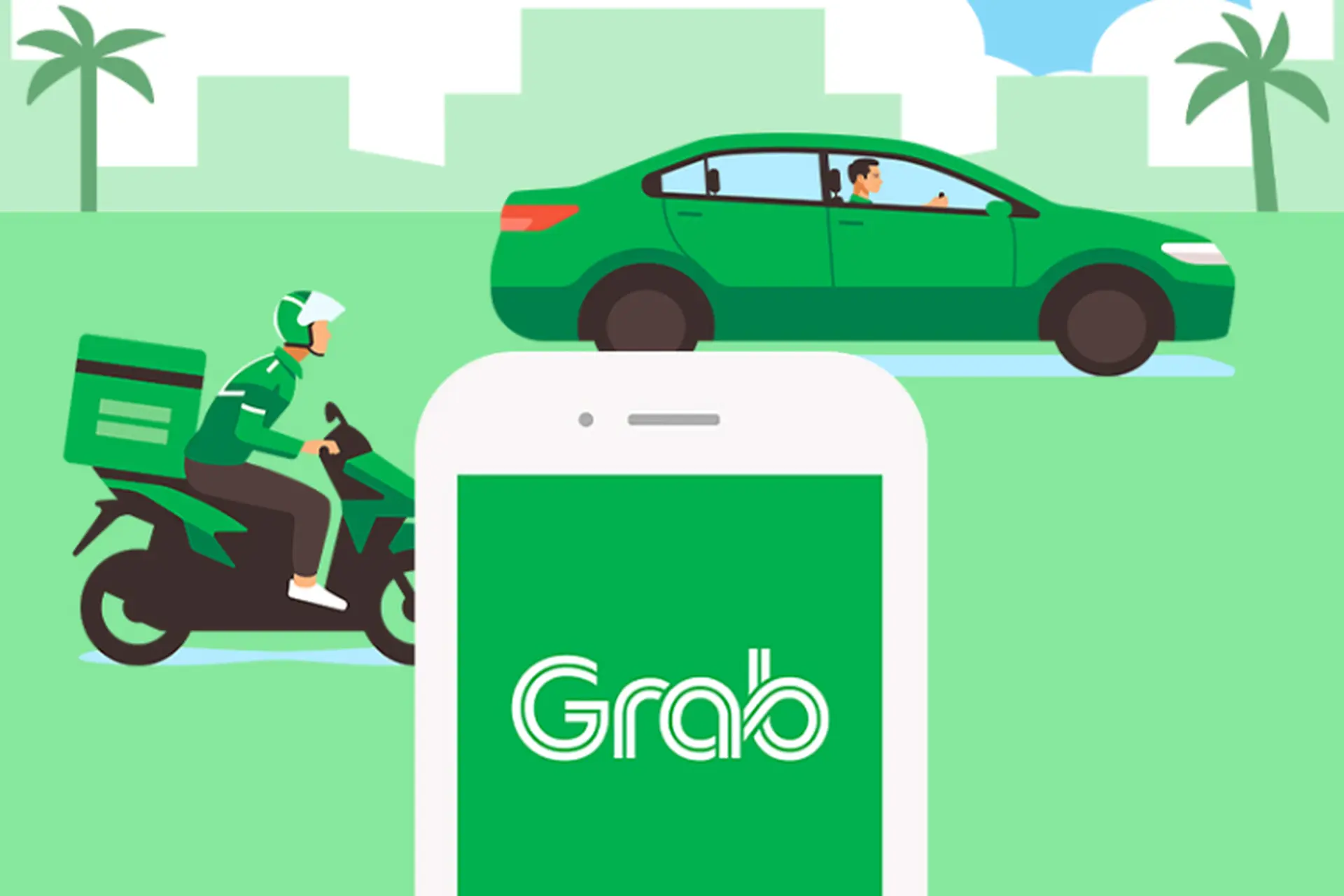
Understanding how Grab operates is essential before diving into development. Its workflow is designed to be fast, seamless, and user friendly connecting passengers and drivers efficiently in real time. Here’s a step by step breakdown:
1. User Registration
Users begin by downloading the app and creating an account. Registration typically requires basic details such as name, email, and phone number, followed by OTP verification to ensure security and authenticity.
2. Ride Booking
Once logged in, users can book a ride by entering their pickup and drop off locations. The app provides fare estimates based on distance, traffic conditions, and expected travel time. Users can also choose from multiple ride options, such as cars or bikes, depending on their needs and budget.
3. Driver Matching
After a booking request is made, the system automatically matches the user with nearby available drivers. Drivers receive the request and can accept or decline it. Once accepted, users are shown key details such as the driver’s name, profile, vehicle type, license plate, and estimated arrival time.
4. Ride Tracking & Completion
During the trip, users can track the ride in real time using GPS. This enhances both convenience and safety. In app communication features like chat or call allow passengers and drivers to coordinate if needed. The ride is marked complete once the destination is reached.
5. Payment Processing
The app supports multiple payment methods, including cash, credit/debit cards, and digital wallets like GrabPay. Payments are processed seamlessly within the app, ensuring a smooth and hassle free experience.
6. Ratings & Feedback
After the trip, users can rate their experience and provide feedback. Drivers are also able to rate passengers. This two way rating system helps maintain service quality and accountability across the platform.
The success of Grab lies in its efficient, real time workflow and user centric design ensuring a smooth experience from booking to payment. This model serves as a strong foundation for anyone looking to build a scalable ride hailing application.
How to Build an App Like Grab
Inspired by how Grab works? Building a similar platform requires a structured, multi stage approach where each phase contributes to the final product. Here’s a streamlined roadmap:
Step 1: Conduct Market Research
Start by understanding your target audience and competitive landscape. This step lays the foundation for a successful product.
Key questions to answer:
- What are your users’ preferences and expectations?
- How do they currently book rides and make payments?
- What do users like or dislike about existing apps?
- What unique value can your app offer?
Clear insights here help you build a product that truly meets market demand.
Step 2: Define Your Business Model
Choose a monetization strategy aligned with your goals. Common models include:
- Commission per ride
- Subscription plans
- Advertising or partnerships
You should also define pricing strategies for different ride types such as standard, premium, or shared services.
Step 3: Identify Core Features
Define the essential features that will drive user engagement and solve real problems.
- User App: Registration, ride booking, payments, GPS tracking, ratings, discounts
- Driver App: Driver onboarding, trip notifications, earnings tracking
- Admin Panel: User management, analytics, payments, reporting
Focus on core functionality first, then add unique features to differentiate your app.
Step 4: Partner with an Experienced Development Team
Building a ride hailing app requires strong technical expertise. Collaborate with a skilled development team that has experience in similar platforms to ensure performance, scalability, and a smooth user experience.
Step 5: UI/UX Design
Design plays a crucial role in user adoption. Create intuitive wireframes and prototypes, then develop a clean, visually appealing interface that ensures seamless navigation and high user satisfaction.
Step 6: App Development
This is where your idea becomes reality. Developers build both frontend and backend systems, including APIs, databases, servers, and integrations ensuring the app is fully functional and scalable.
Step 7: Testing & Quality Assurance
Before launch, conduct thorough testing to identify and fix bugs, ensure performance stability, and deliver a smooth user experience across devices.
Step 8: Launch and Marketing
Deploy your app on platforms like iOS and Android. After launch, focus on user acquisition through digital marketing, social media campaigns, and promotional offers to build traction.
Building a Grab like app is not just about development it’s about combining market insight, strong technology, and user centric design to create a scalable and competitive mobility platform.
How Much Does Grab App Development Cost?
Building an app like Grab is a smart investment but one of the first questions businesses ask is: “What will it cost?”
The answer depends on the scope of your app. Much like building a house, a simple structure costs far less than a fully customized, high end solution. The same applies to app development the more features, integrations, and complexity you include, the higher the cost.
In general, a basic ride hailing app can start from around $5,000, while a more advanced, feature rich platform can exceed $15,000+.
Cost Breakdown by Complexity
| Complexity Level | Features Included | Estimated Cost (USD) |
|---|---|---|
| Basic | Core features such as ride booking, GPS tracking, and payment integration | $5,000 – $8,000 |
| Medium | Adds ratings, ride history, push notifications, and improved UI/UX | $10,000 – $15,000 |
| Advanced | Includes surge pricing, in app chat, multiple ride options, advanced admin dashboard, and AI based route optimization | $15,000+ |
What Drives the Cost?
- Feature Complexity: More advanced features increase development time and effort
- Platform Choice: iOS, Android, or both
- UI/UX Design: Custom, high quality design adds to cost
- Backend Infrastructure: Scalable systems and real time processing
- Third Party Integrations: Maps, payments, notifications
- Security & Compliance: Data protection and payment standards
The cost of building a Grab like app is flexible it scales with your vision. Starting with an MVP allows you to launch quickly and validate your idea, while a fully featured platform requires a larger investment but delivers greater scalability and long term value.
Features of a Grab Taxi Booking App
In any ride hailing app development project, features play a critical role in shaping user experience and engagement. To build a scalable and competitive platform like Grab, you need a well structured feature set across three core components: user app, driver app, and admin panel.
User App Features
These features focus on delivering a seamless and convenient experience for passengers:
- Sign Up / Login: Easy onboarding via phone number, email, or social media
- Ride Booking: Core functionality to book rides from pickup to destination
- Vehicle Selection: Advanced filters to choose preferred ride types
- Fare Estimation: Upfront pricing based on distance, time, and demand
- Real Time Tracking: GPS enabled tracking for live ride monitoring
- Safety Features: SOS button, trip sharing, and driver verification
- Multiple Payment Options: Support for cards, wallets, and digital payments
- Ratings & Reviews: Feedback system for drivers and rides
- Discounts & Coupons: Promotions to improve user retention
- In App Chat & Call: Direct communication between rider and driver
Driver App Features
Designed to help drivers manage rides efficiently and maximize earnings:
- Driver Registration: Onboarding with license and identity verification
- Ride Requests: Notifications for nearby booking requests
- Ride Acceptance/Rejection: One tap control over incoming requests
- GPS Navigation: AI powered route optimization for faster trips
- Earnings Tracker: Monitor daily, weekly, and monthly income
- Availability Status: Toggle online/offline status
- In App Communication: Call or message passengers directly
- Ratings & Feedback: Review passengers and maintain service quality
- Driver Support: Quick access to assistance when needed
- Heatmaps: Identify high demand areas to increase ride opportunities
Admin Panel Features
The admin dashboard ensures full control and operational efficiency:
- Dashboard: Centralized overview of platform performance
- User & Driver Management: Monitor and manage all accounts
- Pricing Management: Dynamic pricing based on demand and location
- Ride Management: Track ongoing and completed rides
- Payment Management: Handle transactions and payouts
- Vehicle Management: Add, update, or remove vehicles
- Support System: Resolve issues for users and drivers
- Reporting & Analytics: Data driven insights for decision making
- Geofencing: Define and manage service areas
- Push Notifications: Send alerts, offers, and updates
A well balanced feature set across all three modules is essential to build a successful ride hailing platform. Prioritizing core functionalities first, then scaling with advanced features, ensures better performance, user satisfaction, and long term growth.
Why Choose HomeNest Software for Grab App Development?
HomeNest Software is a trusted mobile app development company with a strong track record in building advanced ride hailing solutions, including AI powered taxi apps, EV based mobility platforms, and car rental applications. With over a decade of experience, we help businesses solve complex operational challenges and accelerate digital transformation in the mobility space.
Proven Expertise in Ride Hailing Solutions
Our team has hands on experience developing apps similar to Uber, Grab, Lyft, and other leading platforms ensuring your product meets industry standards and user expectations.
Skilled On Demand Development Team
Our on demand app developers bring deep technical expertise and follow agile methodologies to deliver high quality, cost effective solutions within defined timelines.
Scalable, Secure, and Future Ready Architecture
We prioritize scalability, performance, and security ensuring your app can handle growth, protect user data, and adapt to evolving market needs.
End to End Development & Integration
From concept to deployment, we provide complete development services, including seamless third party integrations, white label solutions, and ongoing support.
Choosing the right development partner is critical to your app’s success. With HomeNest Software, you gain a reliable technology partner capable of turning your idea into a scalable, high performance ride hailing platform.
Frequently Asked Questions (FAQs)
What is a ride hailing app like Grab?
A ride hailing app is a platform that connects passengers with drivers, allowing users to book rides, track trips in real time, and make payments through a mobile application.
How much does it cost to build an app like Grab?
The cost typically ranges from $5,000 to $15,000+, depending on features, platform choice, and system complexity. Advanced apps with AI features and multiple services may cost more.
How long does it take to develop a Grab like app?
An MVP can take 3–6 months, while a fully featured, scalable platform may require 6–12+ months, depending on requirements and team size.
What are the must have features in a Grab like app?
Core features include ride booking, GPS tracking, driver matching, fare estimation, secure payments, ratings and reviews, and an admin dashboard.
Which business model is best for a ride hailing app?
Common models include commission based (per ride), subscription plans for drivers, and additional revenue streams like surge pricing and in app promotions.
What technologies are used to build ride hailing apps?
Popular technologies include React Native, Flutter, Node.js, and cloud platforms like AWS or Azure, along with integrations for maps, payments, and notifications.
How do apps like Grab make money?
Revenue comes from ride commissions, surge pricing, subscription plans, advertising, and partnerships with businesses.
Is it better to build for Android, iOS, or both?
For maximum reach, most businesses choose both platforms. Cross platform development can help reduce cost and time.
How do you ensure safety in a ride hailing app?
Safety features include driver verification, real time tracking, SOS buttons, trip sharing, secure payments, and a two way rating system.
Why choose HomeNest Software for development?
HomeNest Software provides end to end solutions in Mobile App Development and Enterprise Software Development, helping businesses build scalable, secure, and high performance ride hailing platforms tailored to their needs.
Latest Articles
View All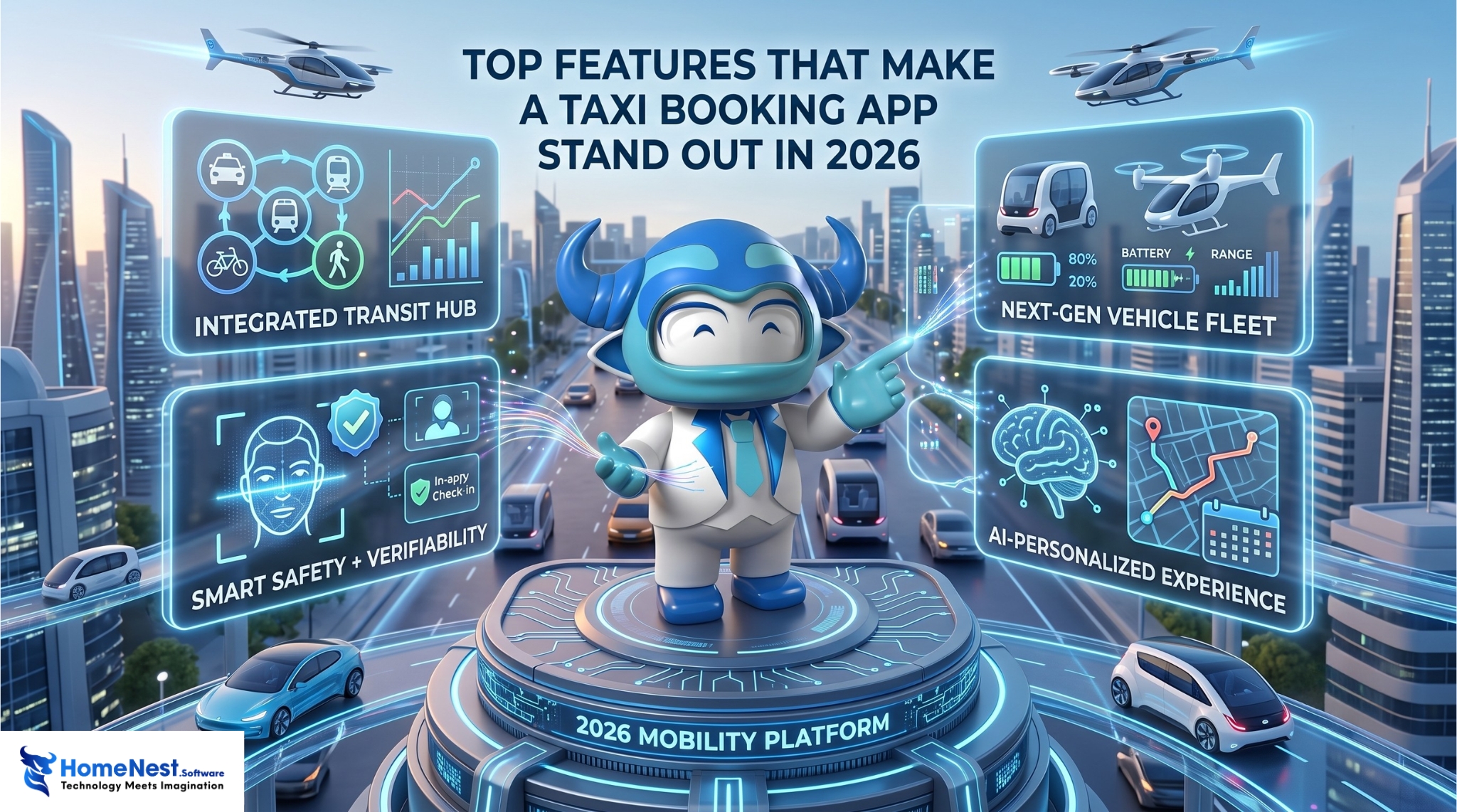
Top Features That Make A Taxi Booking App Stand Out In 2026
Building a standout taxi booking app in 2026 requires a forward-looking tech strategy. From AI-driven personalized booking and real-time IoT telematics to scalable cloud-native engineering, HomeNest Software highlights the essential features and technical recommendations needed to boost user retention, optimize fleet operations, and dominate the modern mobility market.
How Much Does It Cost To Develop A Food Delivery App Like Zomato?
Discover the complete cost breakdown and technical roadmap to build a Zomato-like food delivery app with HomeNest Software. This guide explores budget tiers, the essential 4-panel architecture (Customer, Merchant, Driver, Admin), modern tech stack recommendations, and proven monetization strategies. Learn how HomeNest Software transforms your digital platform vision into a scalable, high-yielding business asset!

GitHub vs GitLab – Architecture and Selection Guide
Managing source code requires stable infrastructure. Automating software releases requires reliable pipelines. Tool sprawl creates operational complexity. Engineering teams face friction when using fragmented DevOps tools. Selecting between GitHub and GitLab shapes long term development efficiency.
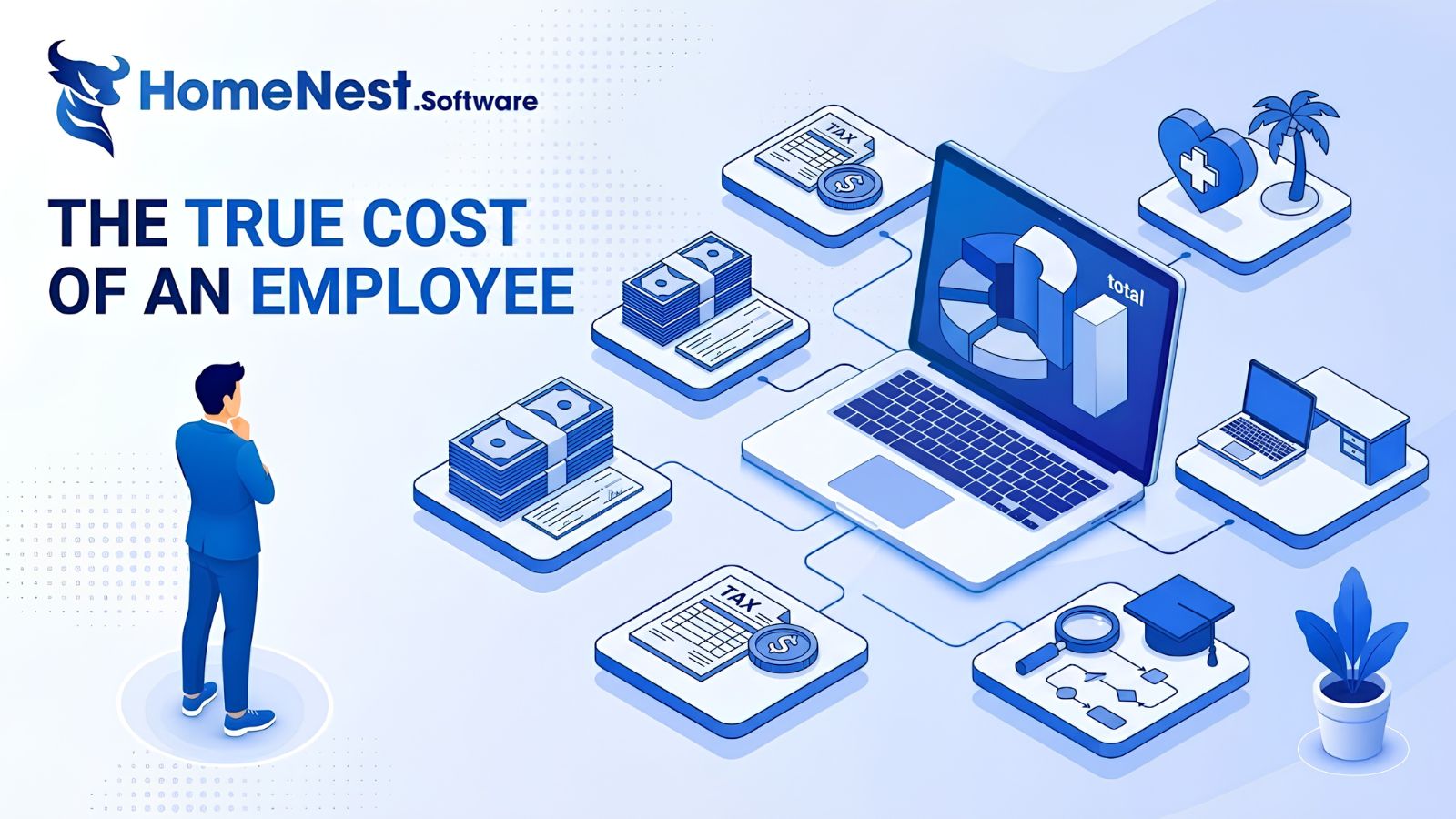
The True Cost of an Employee: A Complete Breakdown for Employers
This article reveals that the true cost of an employee is typically 25% to 40% higher than their base salary due to hidden expenses like taxes, benefits, workspace, and recruiting. To address this, the guide provides a detailed 7-step framework to accurately calculate total employer costs, alongside actionable strategies to optimize budgets and improve retention without reducing pay.
Essential Tips To Develop A Music Streaming App
Discover expert tips to develop a successful music streaming app with HomeNest Software. This guide covers essential features, legal licensing, and scalable technology stacks. Learn how to build a robust, cross-platform application with AI personalization to stand out in the 2026 competitive audio market.
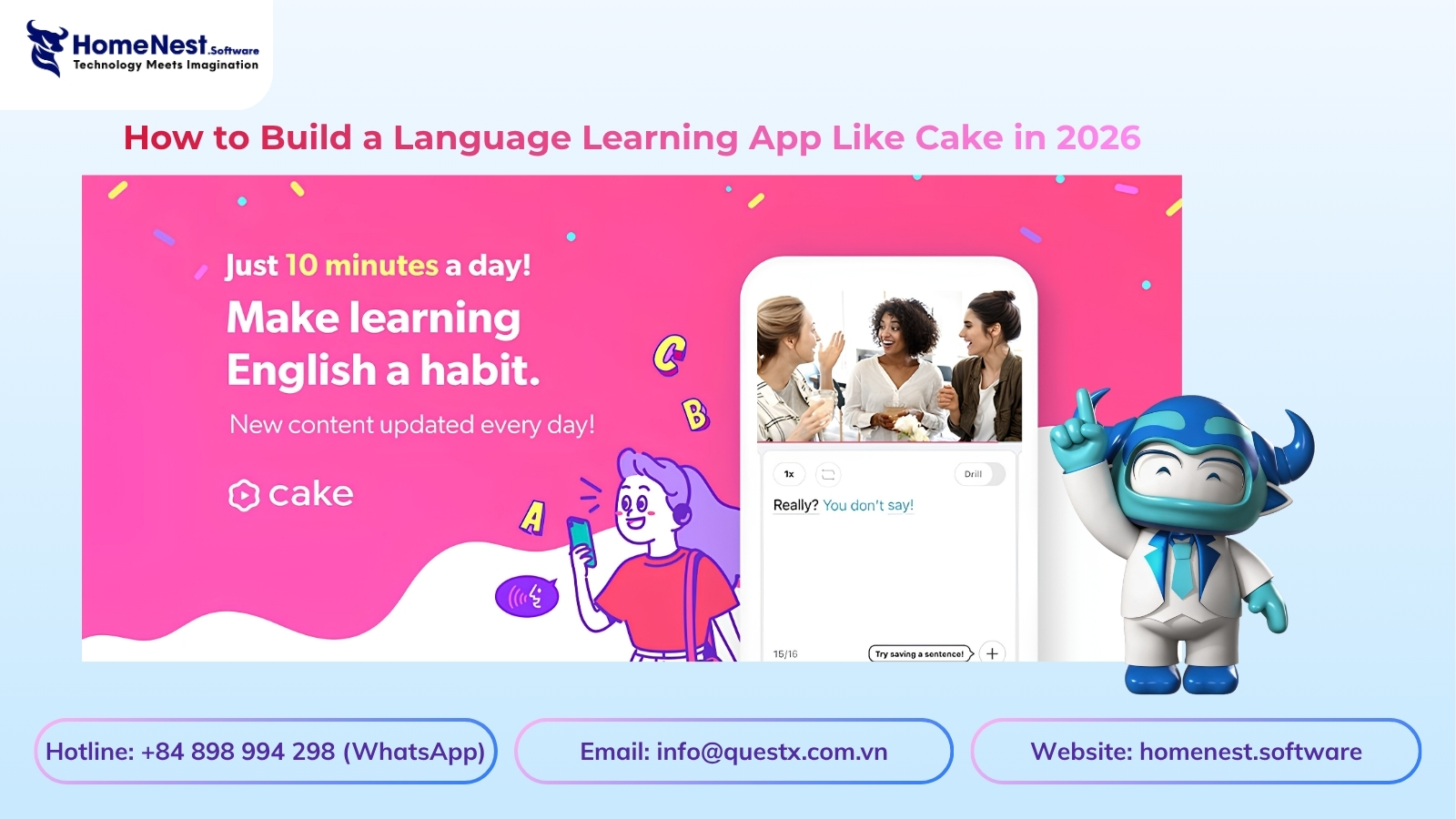
How to Build a Language Learning App Like Cake
Discover how to build a successful language learning app like Cake with this comprehensive guide from HomeNest Software. We explore market research, essential MVP features, advanced AI integrations, tech stack selection, and estimated development costs. Partner with HomeNest Software to create a scalable, gamified, and highly engaging educational platform tailored to your business goals. Start your app development journey with us today.