
Top 12 Types of Software Development
Scope of Work

What is Software Development?
Software development is the foundation of today’s digital landscape, empowering businesses and organizations to build applications and systems that solve real world problems. It spans a wide range of domains from web and mobile applications to data science, cloud computing, and cybersecurity each playing a vital role in modern technology.
Why Software Development Matters
✔ Drives business automation, digital transformation, and AI powered innovation.
✔ Enables secure data processing, cloud services, and real time analytics.
✔ Fuels innovation across industries such as healthcare, finance, and e commerce.
✔ Supports cross platform solutions, reaching users on multiple devices and environments.
What You’ll Learn in This Guide
This guide explores 12 key types of software development that shape today’s technology landscape. You’ll discover the core technologies, programming languages, and real world applications behind each domain.
Key Areas of Software Development
✔ API Development – Connecting systems and enabling seamless integration between applications.
✔ Application Development – Building web, desktop, and mobile software solutions.
✔ Back End Development – Handling server logic, databases, and system architecture.
✔ Cloud Computing Development – Developing scalable applications using cloud infrastructure.
✔ Data Science – Analyzing data using AI and machine learning to generate insights.
✔ Desktop Development – Creating applications for Windows, macOS, and Linux.
✔ Embedded Systems Development – Powering IoT devices and real time computing systems.
✔ Front End Development – Designing user interfaces and enhancing user experience.
✔ Full Stack Development – Combining both front end and back end capabilities.
✔ Mobile Development – Developing apps for iOS, Android, and smart devices.
✔ Security Software Development – Protecting systems against cyber threats.
✔ Video Game Development – Designing and building interactive gaming experiences.
API Development
What Is API Development?
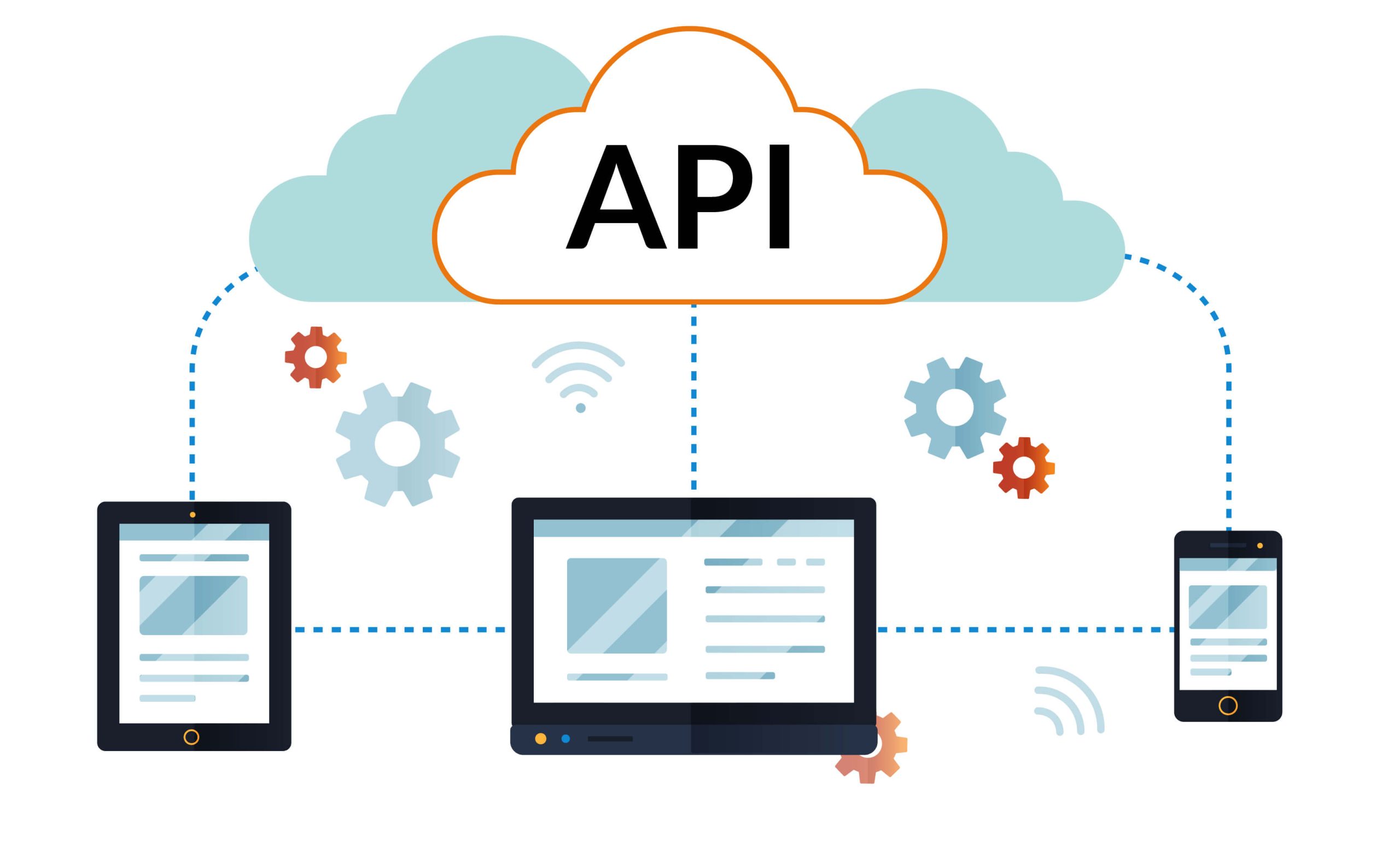
API development focuses on designing and building interfaces that allow different software systems to communicate seamlessly. These interfaces define how requests are sent, how data is exchanged, and what responses are returned enabling smooth interaction across platforms.
- Allows different systems and programming languages to work together
- Enables seamless integration with third party services
- Supports modular, scalable software architecture
Why API Development Matters
APIs are essential for modern applications because they enable real time data exchange and system interoperability. They act as the backbone of connected ecosystems, powering everything from mobile apps to enterprise platforms.
Key Aspects of API Development
1. API Integrations
APIs enable applications to connect and interact efficiently. Common integrations include:
- Payment systems: Connecting apps with services like PayPal or Stripe
- Social media platforms: Enabling login authentication and content sharing
- Cloud storage: Supporting file access and synchronization across platforms
2. Programming Languages Used
Different technologies are used depending on project needs:
- JavaScript (Node.js, Express.js): Ideal for real time and RESTful APIs
- Python (Flask, Django): Suitable for data driven and AI powered APIs
- Java and C#: Common in enterprise and financial systems
3. Middleware and Modular Architecture
- Middleware acts as a bridge between systems, handling authentication, logging, and security
- Modular design improves reusability, scalability, and development efficiency
4. Tools and Environments for API Development
Developers rely on specialized tools to build and test APIs:
- Postman: For testing API endpoints
- Swagger/OpenAPI: For documentation and design
- GraphQL: For flexible and efficient data querying
Types of APIs
| API Type | Description | Examples |
|---|---|---|
| REST APIs | Use HTTP methods to manage data | Google Maps API, Twitter API |
| SOAP APIs | Use XML for secure communication | Banking systems |
| GraphQL APIs | Allow clients to request specific data fields | GitHub API, Shopify API |
| WebSockets APIs | Enable real time communication | Chat apps, trading platforms |
Common Use Cases of API Development
- E commerce: Integrating payments, inventory, and logistics
- Healthcare: Connecting electronic health record (EHR) systems
- Finance: Supporting secure transactions and fraud detection
- IoT: Linking smart devices, sensors, and automation systems
Final Thoughts
API development is a core component of modern software systems, enabling seamless integration, real time communication, and scalable architectures. Businesses leverage APIs to enhance functionality, improve user experience, and build interconnected digital ecosystems.
Next, we’ll explore Application Development, focusing on building software solutions for web, mobile, and desktop platforms.
Read more: API Testing in Software Development
Application Development
What Is Application Development?
Application development is the process of building software applications that run across various platforms, including web browsers, desktop systems, and mobile devices. It involves planning, designing user interfaces, coding, testing, and deploying applications that deliver specific functions to users.
- Applications can be developed for web, desktop, and mobile environments
- The process includes UI/UX design, development, testing, and deployment
- Different programming languages and frameworks are used depending on the platform
Why Application Development Matters
Application development is at the core of modern digital solutions. It enables businesses and individuals to improve productivity, enhance communication, automate processes, and deliver engaging user experiences across multiple platforms.
Key Aspects of Application Development
1. Types of Application Development
| Application Type | Description | Examples |
|---|---|---|
| Web Applications | Run in browsers and accessible across devices | Gmail, Facebook, Google Docs |
| Desktop Apps | Installed on operating systems like Windows/macOS | Microsoft Word, Photoshop |
| Mobile Apps | Built for iOS and Android devices | WhatsApp, Instagram, Uber |
Each type requires different technologies and development approaches.
2. Programming Languages Used
- JavaScript: Widely used for web applications with frameworks like React, Angular, and Vue
- Python: Common for data driven applications and AI solutions
- C#: Popular for Windows desktop applications
- Swift and Kotlin: Primary languages for iOS and Android development
3. Cross Platform vs. Native Development
| Development Type | Description | Examples |
|---|---|---|
| Native Development | Built for a single platform (iOS or Android) | Apple Music |
| Cross Platform | Runs on multiple platforms using shared code | Instagram, Airbnb |
| Hybrid Development | Combines web and native technologies | Uber, Twitter |
- Cross platform development reduces cost and development time
- Native development offers better performance and deeper platform integration
4. Frameworks and Tools
- Web development: React, Angular, Django, Flask
- Desktop development: Electron.js, Qt, .NET
- Mobile development: Flutter, React Native, Swift, Kotlin
- Low code platforms: OutSystems, Mendix for faster development
5. Rapid Development and Testing
- Rapid Application Development (RAD) accelerates delivery using reusable components
- Automated testing ensures performance, compatibility, and fewer errors
- UI/UX design focuses on usability, accessibility, and user satisfaction
Common Use Cases
- E commerce: Online shopping platforms and marketplaces
- Healthcare: Patient management systems and telemedicine apps
- Finance: Banking applications and trading platforms
- Entertainment: Streaming services and digital media apps
Final Thoughts
Application development plays a vital role in a digital first world, enabling seamless experiences across devices and platforms. Whether through native, web, or cross platform solutions, developers continue to innovate to improve performance, scalability, and accessibility.
Next, we’ll explore Back End Development, which focuses on server side logic, databases, and system integration.
Read more: Top 10 Web App Development Companies in Vietnam
Back End Development
What Is Back End Development?
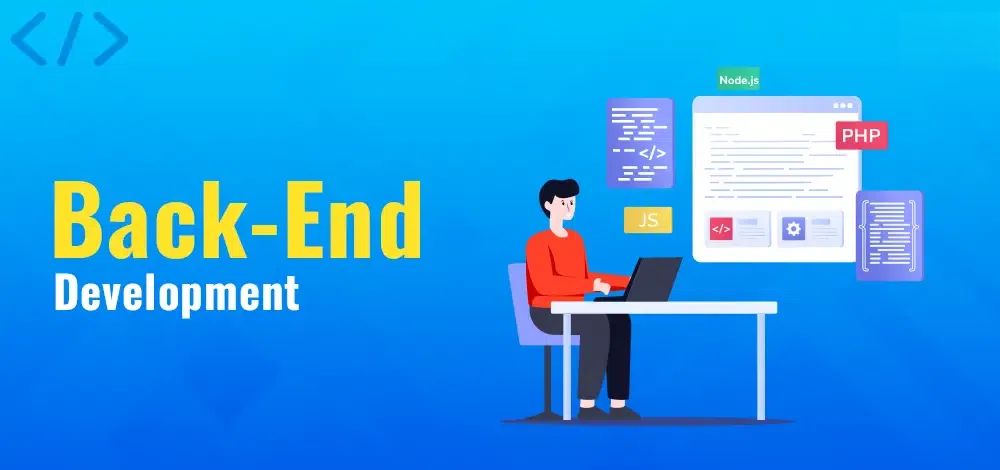
Back end development focuses on the server side of applications, handling core functionalities such as data processing, storage, and security. While users interact with the front end interface, the back end ensures everything runs smoothly behind the scenes.
- Manages databases for storing and retrieving data
- Processes user requests through server side logic
- Implements security measures to protect sensitive information
- Enables integration between different systems and services
Why Back End Development Matters
Back end development is essential for building reliable, scalable, and secure applications. It ensures that systems can handle high volumes of data, deliver fast responses, and maintain consistent performance.
Key Aspects of Back End Development
1. Programming Languages and Frameworks
| Language | Frameworks | Best Use Cases |
|---|---|---|
| JavaScript | Node.js, Express.js | Real time apps, APIs |
| Python | Django, Flask | Data processing, AI systems |
| PHP | Laravel, CodeIgniter | Web applications |
| Ruby | Ruby on Rails | Scalable web services |
- Node.js is well suited for real time and asynchronous applications
- Django and Flask support rapid development and scalability
- Laravel provides a structured approach for PHP based systems
2. Database Development and Management
| Database Type | Examples | Use Case |
|---|---|---|
| Relational (SQL) | MySQL, PostgreSQL | Structured data applications |
| NoSQL | MongoDB, Firebase | Real time and unstructured data |
| In Memory | Redis, Memcached | Caching and fast data access |
- SQL databases are commonly used in finance and enterprise systems
- NoSQL databases support large scale, real time applications
- In memory databases improve performance through caching
3. Application Integration and APIs
Back end systems enable seamless communication between services through APIs and integration layers.
- RESTful APIs standardize communication between systems
- GraphQL allows flexible and efficient data queries
- Middleware manages authentication, logging, and request handling
Example: An e commerce platform integrates payment gateways, inventory systems, and shipping services through back end APIs.
4. Security and Scalability
Security and scalability are critical components of back end development.
- Authentication methods such as OAuth, JWT, and two factor authentication
- Encryption techniques like AES and RSA to secure data
- Firewalls and monitoring systems to prevent unauthorized access
- Scalability strategies including load balancing, microservices, and cloud infrastructure
Example: Banking systems rely on secure back end architectures to protect financial transactions.
Common Use Cases
- E commerce: Managing users, payments, and inventory
- Social media: Handling messaging, notifications, and data storage
- Streaming platforms: Supporting content delivery and media processing
- Healthcare: Managing patient data and telemedicine systems
Final Thoughts
Back end development is the foundation of modern applications, ensuring performance, security, and reliability. By combining strong database management, efficient integration, and robust security practices, it powers the systems that users depend on every day.
Next, we’ll explore Cloud Computing Development, where applications leverage cloud infrastructure for scalability and efficiency.
Read more: What Is SaaS Software Development? Key Benefits, Trends, and Insights
Cloud Computing Development
What Is Cloud Computing Development?
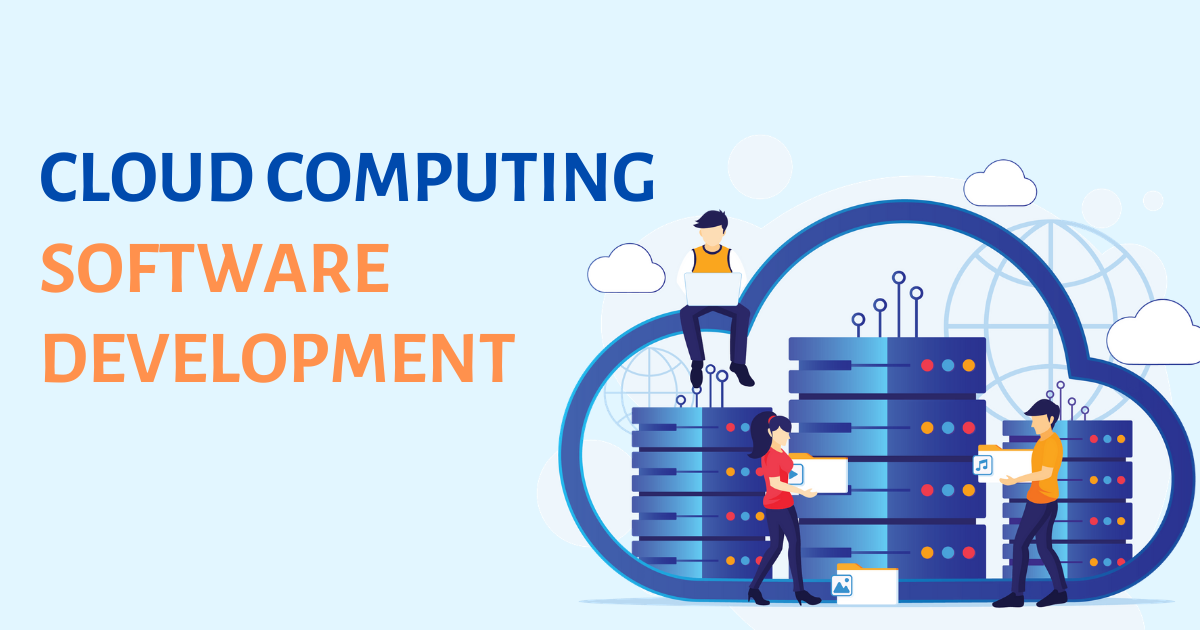
Cloud computing development focuses on building applications and services that run on cloud infrastructure instead of traditional on premise systems. This approach enables businesses to achieve greater scalability, flexibility, and cost efficiency while improving accessibility and performance.
- Utilizes cloud platforms to host applications, databases, and services
- Supports migration from on premise systems to cloud environments
- Enables scalability through auto scaling and load balancing
- Ensures security and compliance with encryption and access controls
Why Cloud Computing Matters
Cloud computing has become a core part of modern software development by enabling remote access, real time collaboration, and reliable system performance. It allows businesses to scale resources on demand while reducing infrastructure costs.
Key Aspects of Cloud Computing Development
1. Cloud Service Providers
| Cloud Provider | Key Features | Best Use Cases |
|---|---|---|
| Amazon Web Services (AWS) | High scalability, strong security, AI tools | Enterprise systems, AI/ML workloads |
| Microsoft Azure | Enterprise integration, Windows ecosystem | Business applications |
| Google Cloud Platform | High performance computing, data analytics | Big data and data science |
- AWS is widely adopted for scalable enterprise solutions
- Azure integrates well with Microsoft based environments
- Google Cloud excels in analytics and large scale data processing
2. Cloud Technologies and Architecture
Cloud development relies on modern tools and architectures designed for scalability and automation:
- Containerization and orchestration using Docker and Kubernetes
- CI/CD pipelines for automated deployment and testing
- NoSQL databases such as Firebase and DynamoDB for scalable storage
- Serverless computing with services like AWS Lambda and Azure Functions
Example: Streaming platforms use cloud infrastructure to deliver content to millions of users globally.
3. Cloud Deployment and Migration
Organizations often move applications to the cloud to improve performance and reduce costs.
- Hybrid cloud combines private and public cloud environments
- Multi cloud strategies reduce dependency on a single provider
- Security measures include encryption, firewalls, and compliance standards
Example: Financial systems use cloud security solutions to protect sensitive user data and transactions.
4. Cloud Based Testing and Compatibility
Cloud environments support testing across multiple devices and browsers.
- Platforms like BrowserStack simulate real world user conditions
- Helps ensure consistent performance across different environments
Example: Collaboration tools rely on cloud platforms to enable real time document sharing and editing.
Common Use Cases
- E commerce: Hosting scalable online platforms
- Healthcare: Secure storage of medical records
- Finance: Supporting real time transactions and fraud detection
- Gaming: Enabling real time multiplayer experiences
Final Thoughts
Cloud computing development empowers businesses to build scalable, secure, and cost effective applications. With the rise of serverless architecture, automation, and AI integration, cloud technology continues to transform how modern systems are developed and deployed.
Next, we’ll explore Data Science, which focuses on extracting insights and value from large volumes of data.
Read more: Enterprise Software Development
Data Science
What Is Data Science?
Data science is a multidisciplinary field that uses scientific methods, algorithms, and advanced technologies to analyze large datasets and extract valuable insights. It combines statistics, machine learning, and artificial intelligence to help organizations make smarter decisions and uncover hidden patterns.
- Applies machine learning to identify trends and patterns
- Supports predictive analytics for better decision making
- Detects anomalies and fraud in real time
- Enhances marketing through data driven targeting
Why Data Science Matters
Data science plays a critical role in modern industries by enabling organizations to leverage data for innovation, efficiency, and competitive advantage. It powers applications such as recommendation systems, risk analysis, and intelligent automation.
Key Aspects of Data Science
1. Data Analysis and Big Data
- Big data technologies such as Hadoop and Spark process large scale datasets
- Data modeling helps identify trends and forecast outcomes
- Visualization tools like Tableau and Power BI present insights clearly
Example: Retail companies analyze customer behavior to optimize pricing and marketing strategies.
2. Predictive Analytics and Decision Making
- Machine learning models use historical data to predict future outcomes
- Fraud detection systems monitor transactions in real time
- Medical analysis tools support early disease detection
Example: Insurance providers use predictive models to evaluate risk and determine pricing.
3. Real Time Analytics and Targeted Marketing
- Real time data processing enables faster business decisions
- AI driven advertising targets users based on behavior and preferences
Example: Digital advertising platforms optimize campaigns dynamically to improve performance and return on investment.
Common Use Cases
- Healthcare: Diagnosing diseases using AI powered analysis
- Finance: Detecting fraud and managing risk
- Retail: Personalizing customer experiences and increasing sales
- Technology: Building chatbots, automation tools, and intelligent systems
Final Thoughts
Data science is transforming industries by turning raw data into actionable insights. Through the use of machine learning, big data, and AI, organizations can make faster, more accurate decisions and unlock new opportunities for growth.
Next, we’ll explore Desktop Development, which focuses on building applications for Windows, macOS, and Linux environments.
Read more: Offshore Software Development in Vietnam: Top 10+ Companies to Consider
Desktop Development
What Is Desktop Development?
Desktop development focuses on building applications that run directly on operating systems such as Windows, macOS, and Linux. Unlike web or mobile apps, desktop software is installed locally, offering strong performance, offline access, and deeper interaction with system hardware.
- Runs locally without requiring a web browser
- Provides direct access to hardware resources such as GPU and file systems
- Offers enhanced security and offline functionality
- Can be built as native or cross platform applications
Why Desktop Development Matters
Desktop applications remain essential for performance intensive tasks and professional use cases. They are widely used in areas such as gaming, design, enterprise systems, and productivity tools due to their stability and efficiency.
Key Aspects of Desktop Development
1. Programming Languages
| Language | Best Use Cases |
|---|---|
| C# | Windows applications and enterprise software |
| C++ | High performance systems and game development |
| Java | Cross platform business applications |
| Python | Automation tools and data analysis |
| JavaScript | Cross platform apps using frameworks like Electron |
- C# is commonly used for Windows based applications
- C++ is ideal for performance critical software
- Electron allows desktop apps to be built using web technologies
2. Frameworks and Tools
- .NET Framework and WPF for Windows applications
- Qt and GTK for cross platform and Linux based interfaces
- Electron.js for building desktop apps with web technologies
- JavaFX for Java based cross platform applications
Example: Modern code editors and collaboration tools often use cross platform frameworks to run on multiple operating systems.
3. Native vs. Cross Platform Development
| Application Type | Technology Used | Examples |
|---|---|---|
| Native Windows App | .NET, C# | Microsoft Word |
| Native macOS App | Swift, Objective C | Final Cut Pro |
| Cross Platform App | Electron.js, JavaFX | Slack, Skype |
- Native applications are optimized for a specific operating system
- Cross platform applications reduce development time and cost
4. Common Use Cases
- Video editing and design software
- Game engines and development tools
- Enterprise systems such as CRM and accounting software
- Scientific computing and data analysis tools
Final Thoughts
Despite the growth of web and mobile technologies, desktop development remains vital for applications that require high performance, reliability, and advanced functionality. Developers continue to use powerful languages and frameworks to build robust desktop solutions.
Next, we’ll explore Embedded Systems Development, which focuses on software for hardware devices, sensors, and real time systems.
Read more: Software Product Development Architecture: A Comprehensive Overview
Embedded Systems Development
What Is Embedded Systems Development?
Embedded systems development involves building specialized software that operates on dedicated hardware within larger systems. These systems are designed for specific tasks and often require real time responsiveness, making them essential in environments where performance and reliability are critical.
- Combines hardware and software to perform specific functions
- Designed for efficiency, reliability, and real time processing
- Uses microcontrollers and sensors to collect and process data
- Often operates on real time operating systems (RTOS) for precise execution
Why Embedded Systems Matter
Embedded systems are a core component of modern technology, powering applications in IoT, industrial automation, healthcare, and consumer electronics. They enable seamless interaction between hardware and software while supporting real time data processing.
Key Aspects of Embedded Systems Development
1. Hardware Components
- Microcontrollers (MCUs): Execute instructions and control system operations
- Sensors: Capture environmental data such as temperature, motion, or light
- Actuators: Convert signals into physical actions like movement or rotation
- Data storage systems: Manage and store information generated by devices
Example: Digital cameras use embedded systems to process images and store them efficiently.
2. Programming Languages
| Language | Best Use Cases |
|---|---|
| C | Low level, real time applications |
| C++ | Object oriented embedded systems |
| Python | IoT and AI enabled embedded applications |
| Assembly | Direct hardware control and optimization |
- C and C++ are widely used for performance and hardware control
- Python is often used in IoT and AI related embedded solutions
3. Real Time Operating Systems (RTOS)
Embedded systems often rely on RTOS to ensure tasks are executed with precise timing.
- Popular platforms include FreeRTOS, VxWorks, and RTEMS
- Benefits include low latency, deterministic behavior, and efficient multitasking
Example: Industrial robots use RTOS to perform precise and time sensitive operations.
4. Middleware and System Architecture
- Middleware acts as a bridge between hardware and software components
- System architecture defines how components interact for optimal performance
Example: Autonomous systems process sensor data through middleware to make real time decisions.
Common Use Cases
- Smart home devices such as thermostats and security systems
- Healthcare equipment including wearable monitors and imaging devices
- Automotive systems like braking control and driver assistance
- Industrial automation such as robotics and predictive maintenance
Final Thoughts
Embedded systems development is essential for powering intelligent and real time applications across multiple industries. By combining efficient hardware control, real time processing, and modern technologies, developers create reliable and high performance systems that drive innovation.
Next, we’ll explore Front End Development, which focuses on building interactive and user friendly interfaces for digital applications.
Read more: Embedded Software Outsourcing in Asia: Key Benefits and Top Destinations
Front End Development
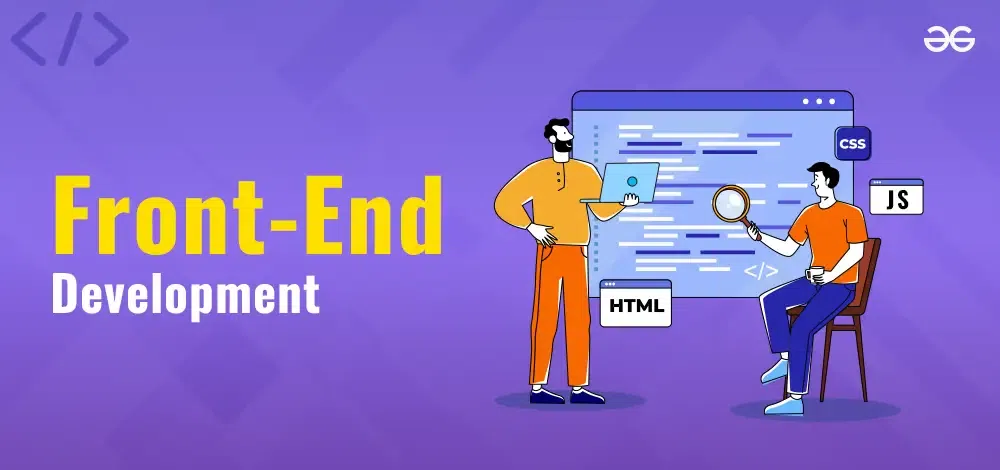
What Is Front End Development?
Front end development focuses on building the visual and interactive parts of web and mobile applications. It ensures users can interact smoothly with software through well designed interfaces and intuitive user experiences.
- Handles everything users see and interact with in an application
- Uses HTML, CSS, and JavaScript to structure, style, and add interactivity
- Ensures compatibility across different browsers and devices
- Focuses on usability, accessibility, and visual design
Why Front End Development Matters
Front end development plays a critical role in user engagement. A well designed interface improves usability, increases retention, and enhances overall user satisfaction across digital platforms.
Key Aspects of Front End Development
1. Core Technologies
| Technology | Purpose |
|---|---|
| HTML | Defines the structure of web pages |
| CSS | Controls layout, styling, and design |
| JavaScript | Adds interactivity and dynamic behavior |
| TypeScript | Enhances JavaScript with type safety |
- HTML builds the foundation of web pages
- CSS improves visual appearance and layout
- JavaScript enables dynamic user interactions
- TypeScript supports scalability in large applications
2. Frameworks and Libraries
Front end developers use modern tools to speed up development and improve performance.
- Angular: Suitable for large scale, enterprise applications
- React: Focuses on reusable UI components
- Vue.js: Lightweight and flexible for rapid development
Example: Many modern platforms use component based frameworks to deliver dynamic user interfaces.
3. Interactive Elements and Client Side Logic
- UI components include buttons, forms, navigation menus, and dashboards
- Client side logic allows real time interaction without page reloads
- APIs enable front end applications to fetch and display data from servers
Example: Social media feeds update dynamically as users scroll, powered by client side scripting.
4. Design and User Experience
- Visual elements such as typography, color, and animations enhance usability
- Responsive design ensures compatibility across devices and screen sizes
- Performance optimization improves loading speed and user experience
Example: E commerce platforms optimize their interfaces to ensure fast navigation and seamless checkout.
Common Use Cases
- E commerce platforms with interactive product displays
- Social media applications with real time engagement features
- Banking systems with secure and user friendly dashboards
- Streaming platforms with dynamic media players and recommendations
Final Thoughts
Front end development is essential for delivering engaging, responsive, and high performance applications. By combining modern frameworks, design principles, and client side technologies, developers create seamless experiences across web and mobile environments.
Next, we’ll explore Full Stack Development, which combines both front end and back end expertise to build complete applications.
Read more: The Advantages of Hiring a Java Development Company
Full Stack Development
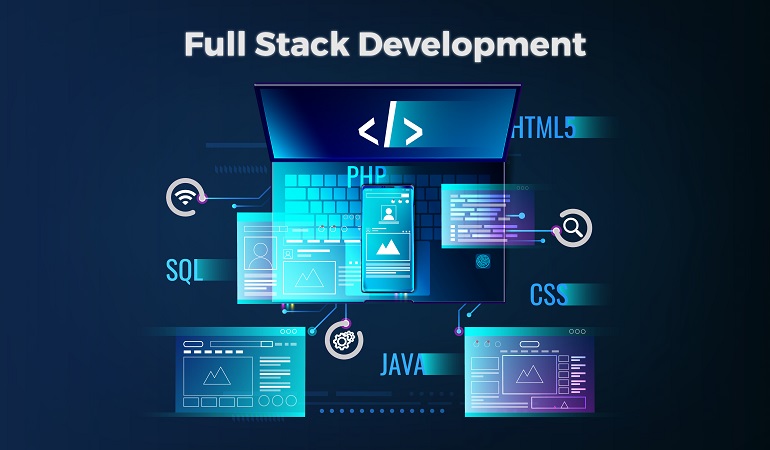
What Is Full Stack Development?
Full stack development involves building both the front end (user interface) and back end (server, database, and APIs) of an application. Full stack developers have the skills to manage the entire development process, from user interaction to data handling and system logic.
- Combines client side and server side development
- Covers coding, database management, APIs, testing, and deployment
- Uses multiple programming languages and frameworks
- Optimizes both performance and scalability across the application
Why Full Stack Development Matters
Full stack development is especially valuable for startups and agile teams that need flexible developers capable of handling multiple layers of a system. It enables faster development cycles and more efficient collaboration.
Key Aspects of Full Stack Development
1. Programming Languages and Frameworks
| Technology | Purpose | Popular Frameworks |
|---|---|---|
| JavaScript | Front end and back end | React, Angular, Vue, Node.js |
| Python | Back end development | Django, Flask |
| PHP | Server side scripting | Laravel, Symfony |
| Ruby | Web development | Ruby on Rails |
- JavaScript is widely used across both front end and back end
- Python is preferred for data driven and scalable applications
- Ruby on Rails simplifies development with structured conventions
2. Front End and Back End Responsibilities
- Front end development focuses on building user interfaces using HTML, CSS, and JavaScript
- Back end development manages databases, APIs, and server side logic
- Testing and debugging ensure the application runs smoothly across environments
Example: Social platforms combine interactive interfaces with scalable back end systems to support real time user activity.
3. Databases and API Integration
- Databases such as MySQL, PostgreSQL, MongoDB, and Firebase store and manage data
- APIs (REST or GraphQL) enable communication between systems
- Authentication and security methods include OAuth, JWT, and multi factor authentication
Example: Modern platforms use robust databases and APIs to handle user data, transactions, and real time updates.
Common Use Cases
- E commerce platforms with integrated payment and inventory systems
- Social media applications with dynamic content and real time interaction
- SaaS solutions for business operations and cloud based services
- Streaming platforms with synchronized data and content delivery
Final Thoughts
Full stack development provides a comprehensive approach to building modern applications. By combining front end and back end expertise, developers can create scalable, efficient, and fully integrated solutions that meet diverse business needs.
Next, we’ll explore Mobile Development, which focuses on building applications for iOS, Android, and smart devices.
Read more: Top 6 Programming Languages for Custom Software Development
Mobile Development
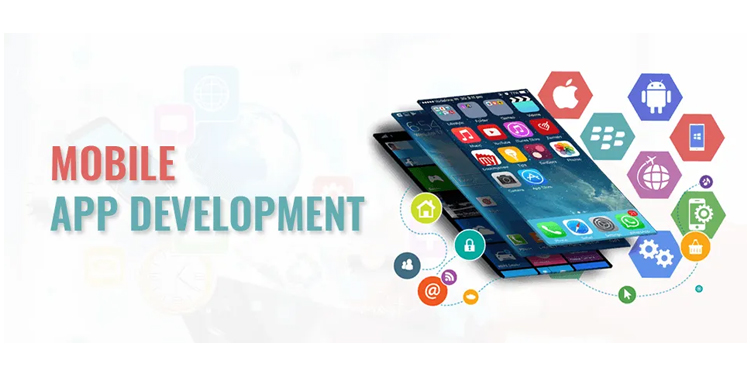
What Is Mobile Development?
Mobile development focuses on building applications for smartphones, tablets, and wearable devices. With a massive global user base, mobile apps play a central role in everyday activities such as communication, entertainment, banking, healthcare, and e commerce.
- Develops applications for iOS, Android, and smart devices
- Uses languages like Swift, Kotlin, and JavaScript
- Optimizes performance for specific mobile platforms
- Ensures compatibility across devices and mobile environments
Why Mobile Development Matters
Mobile applications are essential for businesses to reach users anytime, anywhere. They enable personalized experiences, real time interactions, and direct engagement, making them a key driver of digital growth.
Key Aspects of Mobile Development
1. Types of Mobile App Development
| Type | Description | Examples |
|---|---|---|
| Native Development | Built specifically for iOS or Android | WhatsApp, TikTok |
| Hybrid Development | Uses web technologies within a native container | |
| Cross Platform Development | Runs on multiple platforms with a shared codebase | Airbnb, Skype |
- Native apps deliver the best performance and user experience
- Hybrid and cross platform approaches reduce development time and cost
2. Programming Languages
| Platform | Languages | Best Use Cases |
|---|---|---|
| Android | Kotlin, Java | Native Android apps |
| iOS | Swift, Objective C | Native iOS apps |
| Cross Platform | Dart (Flutter), JavaScript | Multi platform applications |
- Swift provides high performance and security for iOS
- Kotlin is the modern standard for Android development
- Flutter and React Native enable faster cross platform delivery
3. Performance Optimization
- Optimize apps to fully utilize device features such as GPS, camera, and sensors
- Manage memory usage and battery consumption efficiently
- Ensure stable performance even under limited or unstable network conditions
Example: Music streaming apps support offline mode to maintain usability without internet access.
4. Wearables and IoT Integration
- Mobile development extends to wearable devices such as smartwatches and fitness trackers
- IoT integration allows users to control smart home devices and connected systems through mobile apps
Example: Health apps synchronize data between wearable devices and smartphones for real time tracking.
Common Use Cases
- E commerce apps for online shopping and transactions
- Financial apps for secure banking and payments
- Healthcare apps for telemedicine and fitness tracking
- Social media platforms for communication and content sharing
Final Thoughts
Mobile development continues to evolve with advancements in AI, augmented reality, and IoT. By leveraging both native and cross platform technologies, businesses can deliver seamless and engaging experiences to a wide range of users.
Next, we’ll explore Security Software Development, which focuses on protecting systems, applications, and data from cyber threats.
Read more: Top 10 Best Mobile App Development Companies in the US
Security Software Development
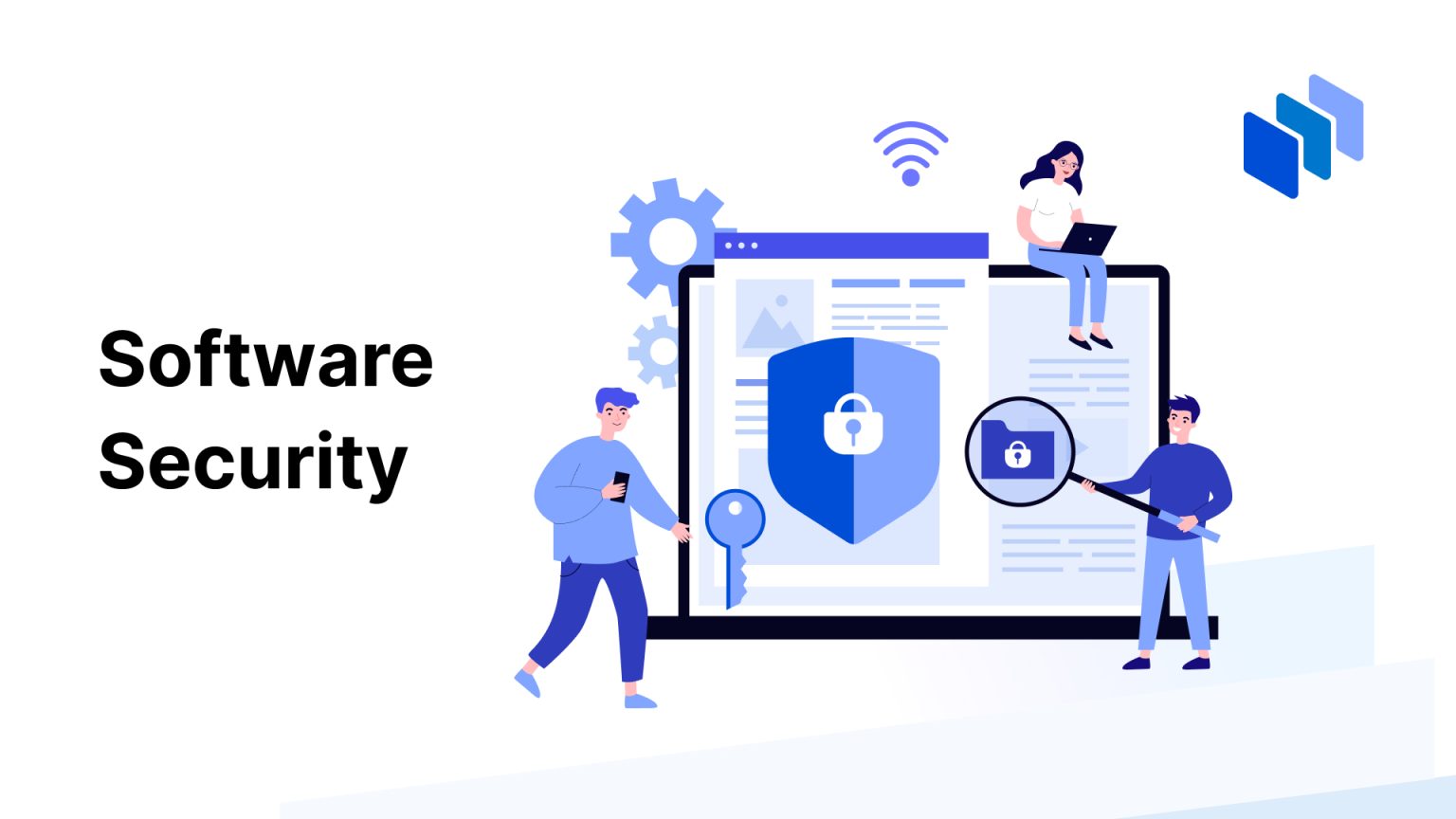
What Is Security Software Development?
Security software development focuses on building systems and applications that protect data, networks, and digital assets from cyber threats. As risks such as hacking, malware, and data breaches continue to grow, organizations rely on robust security solutions to safeguard sensitive information.
- Develops tools to detect, prevent, and respond to cyber threats
- Implements firewalls, intrusion detection systems, and encryption methods
- Ensures compliance with security standards such as GDPR, HIPAA, and ISO 27001
- Uses penetration testing and ethical hacking to identify vulnerabilities
Why Security Software Matters
Security software is essential for maintaining trust, protecting user data, and ensuring business continuity. It plays a critical role across industries where data protection and system integrity are priorities.
Key Aspects of Security Software Development
1. Types of Security Solutions
| Security Tool | Purpose | Examples |
|---|---|---|
| Antivirus Software | Detects and removes malware | Norton, Bitdefender |
| Firewalls | Blocks unauthorized network access | Windows Defender Firewall |
| Intrusion Detection Systems | Monitors suspicious activities | Snort, Suricata |
| Encryption Algorithms | Secures data using cryptography | AES, RSA |
- Firewalls regulate network traffic to prevent unauthorized access
- Intrusion detection systems identify threats in real time
- Encryption ensures data is securely stored and transmitted
2. Cybersecurity Practices and Ethical Hacking
- Penetration testing helps uncover vulnerabilities before attackers exploit them
- Secure development practices integrate security throughout the software lifecycle
- Data protection measures guard against threats such as phishing, ransomware, and identity theft
Example: Organizations often conduct security testing to strengthen their systems before deployment.
3. Security Protocols and Authentication
- Multi factor authentication adds extra layers of security beyond passwords
- Biometric authentication uses fingerprints or facial recognition
- Zero Trust models enforce strict access control and verification
Example: Many platforms require additional verification steps to enhance account security.
Common Use Cases
- Banking and finance systems that secure transactions and customer data
- Healthcare platforms that protect sensitive medical records
- E commerce systems that prevent fraud and data breaches
- Government and defense systems that safeguard critical information
Final Thoughts
Security software development is a fundamental part of modern technology, ensuring that systems remain protected against evolving cyber threats. By combining encryption, monitoring tools, and proactive security practices, organizations can build resilient and trustworthy digital solutions.
Next, we’ll explore Video Game Development, which focuses on creating interactive and immersive gaming experiences across platforms.
Read more: Application Security: A Complete Guide to Risks and Best Practices
Video Game Development
What Is Video Game Development?
Video game development is the process of creating interactive games for platforms such as PCs, consoles, mobile devices, and virtual reality environments. It combines programming, design, and storytelling to deliver engaging and immersive experiences for players.
- Involves concept creation, coding, design, and testing
- Uses game engines to build interactive gameplay
- Integrates art, animation, sound, and narrative elements
- Requires thorough testing to ensure performance and user engagement
Why Video Game Development Matters
The gaming industry has grown into a global market with billions of players. It drives innovation in graphics, AI, and real time systems while shaping entertainment, education, and social interaction.
Key Aspects of Video Game Development
1. Game Engines and Programming Languages
| Game Engine | Best Use Cases | Programming Language |
|---|---|---|
| Unity | Cross platform games | C# |
| Unreal Engine | High end 3D and AAA games | C++ |
| Godot | Open source 2D and 3D development | GDScript |
| GameMaker Studio | Simple 2D games | GameMaker Language |
- Unity is widely used for mobile, PC, and VR games
- Unreal Engine is known for advanced graphics and realistic physics
- Godot offers a flexible and beginner friendly environment
2. Game Mechanics and Systems
- Game mechanics define how players interact with the game world
- Narrative systems manage storytelling and player choices
- AI driven characters enhance realism and gameplay depth
- Multiplayer systems enable online and cooperative experiences
Example: Role playing games use advanced systems to create dynamic storylines and player driven outcomes.
3. Art, Design, and Animation
- Concept artists design characters, environments, and visual styles
- 3D modeling and animation bring game elements to life
- Motion capture technology enhances realism
- Cross platform design ensures consistent experiences across devices
Example: High quality animation techniques create lifelike character movements in modern games.
4. Testing and Optimization
- Quality assurance testing identifies bugs and gameplay issues
- Performance optimization ensures smooth operation across platforms
- Beta testing allows player feedback before official release
Example: Many games undergo continuous updates and improvements after launch to enhance stability and user experience.
Common Use Cases
- AAA games with large budgets and advanced graphics
- Indie games developed by small teams with creative concepts
- VR and AR games offering immersive experiences
- Mobile games designed for casual and competitive play
Final Thoughts
Video game development combines technology, creativity, and storytelling to deliver engaging digital experiences. With ongoing advancements in AI, virtual reality, and cloud gaming, the industry continues to evolve and push the boundaries of interactive entertainment.
Read more: IT Outsourcing to Vietnam: Benefits, Challenges, and How to Start
Conclusion: Exploring the World of Software Development
Software development is a broad and dynamic field that spans everything from web and mobile applications to cybersecurity, AI, and game design. Throughout this guide, we’ve explored 12 key types of software development, each playing a vital role in today’s digital ecosystem:
- API Development – Enables seamless integration between systems
- Application Development – Builds software for web, desktop, and mobile platforms
- Back End Development – Manages servers, databases, and core logic
- Cloud Computing Development – Powers scalable and flexible cloud based solutions
- Data Science – Transforms data into actionable insights using AI and analytics
- Desktop Development – Creates high performance applications for operating systems
- Embedded Systems Development – Drives real time systems in IoT and hardware devices
- Front End Development – Designs interactive and user friendly interfaces
- Full Stack Development – Combines front end and back end capabilities
- Mobile Development – Builds applications for smartphones and smart devices
- Security Software Development – Protects systems and data from cyber threats
- Video Game Development – Creates interactive and immersive gaming experiences
Each of these areas contributes to shaping the modern digital world, driving innovation across industries such as healthcare, finance, entertainment, and automation.
Start Your Software Development Journey
- Looking to hire experienced developers for your next project?
- Want to explore the latest technologies and frameworks?
- Need guidance on choosing the right development approach?
Let’s collaborate and turn your ideas into powerful digital solutions.
Contact Information:
- Address: The Sun Avenue, 28 Mai Chi Tho Street, Binh Trung Ward, Ho Chi Minh City
- Hotline: +84 898 994 298( WhatsApp )
- Website: homenest.software
FAQs
What are the main types of software development?
The main types include API, application, back end, cloud, data science, desktop, embedded systems, front end, full stack, mobile, security, and game development each serving different roles in building modern digital solutions.
Which type of software development should I choose?
It depends on your goals. For example, mobile development is ideal for app based businesses, while cloud and back end development are essential for scalable systems. Choosing the right type depends on your project requirements.
Is full stack development better than specialized development?
Full stack development offers versatility and is ideal for smaller teams, while specialized roles (front end or back end) are often preferred for large scale, complex projects that require deeper expertise.
What programming languages are most commonly used?
Popular languages include JavaScript, Python, Java, C#, Swift, and Kotlin. The choice depends on the type of development and platform being used.
How is software development evolving in the future?
Software development is evolving with trends such as AI integration, cloud computing, low code platforms, and automation making development faster, more scalable, and more accessible.
Latest Articles
View All
Essential Tips To Develop A Music Streaming App
Discover expert tips to develop a successful music streaming app with HomeNest Software. This guide covers essential features, legal licensing, and scalable technology stacks. Learn how to build a robust, cross-platform application with AI personalization to stand out in the 2026 competitive audio market.
How to Build a Language Learning App Like Cake
Discover how to build a successful language learning app like Cake with this comprehensive guide from HomeNest Software. We explore market research, essential MVP features, advanced AI integrations, tech stack selection, and estimated development costs. Partner with HomeNest Software to create a scalable, gamified, and highly engaging educational platform tailored to your business goals. Start your app development journey with us today.
How to Build an App Like TaskRabbit: Features, Cost, Tech Stack – Business Model
Building an app like TaskRabbit is more than replicating existing features—it’s about creating a trusted marketplace that seamlessly connects customers with skilled service providers. By combining an intuitive user experience, secure payment systems, scalable architecture, and the right business model, you can launch a competitive on-demand platform. Partnering with an experienced app development company like HomeNest Software ensures your product is built with the technology, flexibility, and long-term scalability needed to succeed in the rapidly growing gig economy.
How to Build a Meal Planning App: A Complete Step-by-Step Guide
Building a successful meal planning app goes beyond creating an attractive interface it requires a clear business strategy, personalized user experiences, and scalable technology. By combining essential features like AI-powered meal recommendations, nutrition tracking, grocery list automation, and wearable integration, businesses can deliver lasting value to users while capitalizing on the growing digital health market. Partnering with an experienced mobile app development company ensures your solution is secure, future-ready, and designed to succeed in an increasingly competitive health-tech industry.
How Much Does It Cost to Build a Shopping App Like Temu?
Temu’s meteoric rise to over 900 million global downloads proves the power of combining AI, gamification, and social commerce, but building a similar viral shopping platform requires careful financial and technical planning. Developing an app like Temu typically costs anywhere from $40,000 for a basic Minimum Viable Product (MVP) to over $300,000 for a fully-featured platform. This guide breaks down every cost category, analyzes the core features driving Temu’s success, highlights the best technology stacks, and offers practical strategies to optimize your development budget without compromising on quality.

Criteria For Choosing The Right App Design Agency
UI/UX design is the logical foundation of a system, not merely a visual element. Choosing the wrong partner will directly lead to technical debt, budget overruns, and disruptions in the development process. This article provides a 6-step evaluation framework and a list of operational risks, helping businesses eliminate subjective design advice and accurately assess agency capabilities based on developer handoff standards and practical business performance.