
EV Taxi Booking App Development: Top Apps, Costs And Advantages
Building an EV taxi booking app is a strategic move in a fast-growing, sustainability-driven market. By starting with a focused MVP, businesses can validate demand, control costs, and iterate quickly. Combining essential ride-hailing features with EV-specific capabilities, while partnering with a reliable mobile app development company or leveraging an efficient IT outsourcing service, enables faster execution, scalability, and long-term competitive advantage in the evolving green mobility ecosystem.
Scope of Work
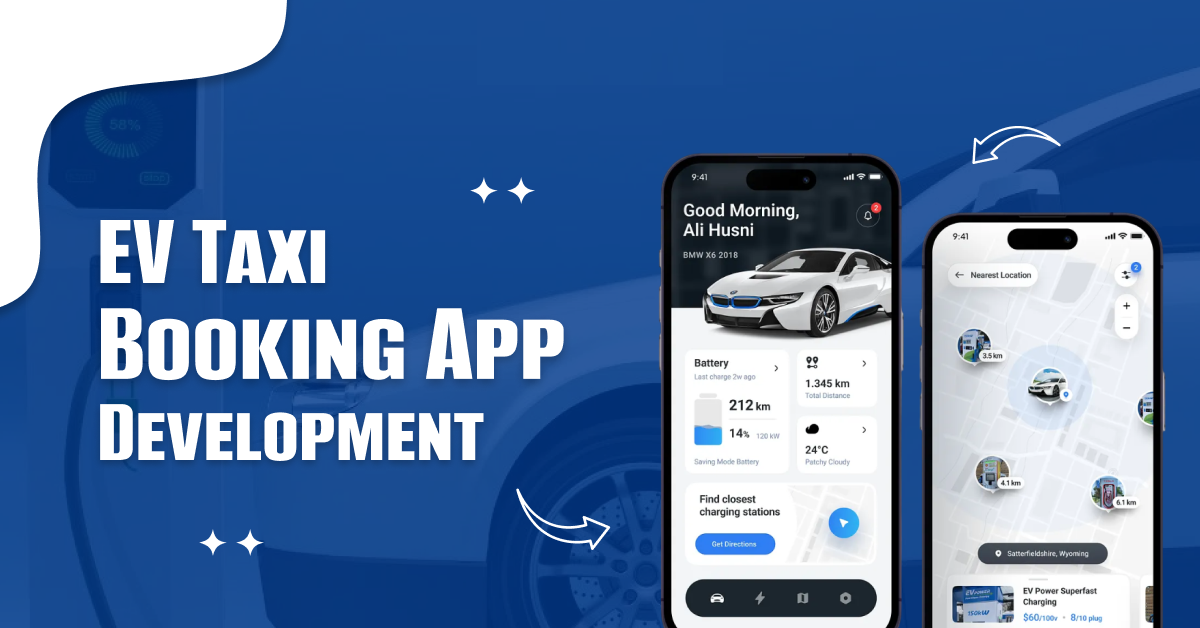
The global shift toward sustainability is rapidly transforming the transportation landscape, with electric vehicle (EV) taxi apps leading the transition worldwide. Across major cities and innovation driven markets, EV ride hailing platforms such as BluSmart, Revel, and Uber Green are redefining urban mobility offering cleaner, quieter, and more environmentally responsible alternatives to traditional taxi services.
For entrepreneurs, startups, and enterprises looking to enter this fast growing global market, understanding what drives the success of these platforms and how to develop an EV taxi booking app is critical. In this article, we explore the leading EV taxi apps, analyze their core features, and provide a comprehensive breakdown of the estimated development costs involved in building a scalable and competitive electric cab booking solution.
Top 10 EV Taxi Booking Apps Powering Sustainable Mobility
The rapid adoption of electric vehicles is reshaping the ride hailing ecosystem worldwide. Today’s leading EV taxi booking apps are not only reducing emissions but also delivering seamless user experiences, competitive pricing, and scalable mobility solutions. Below is a curated list of the top EV taxi apps globally, along with their defining capabilities.
1. Bolt Green
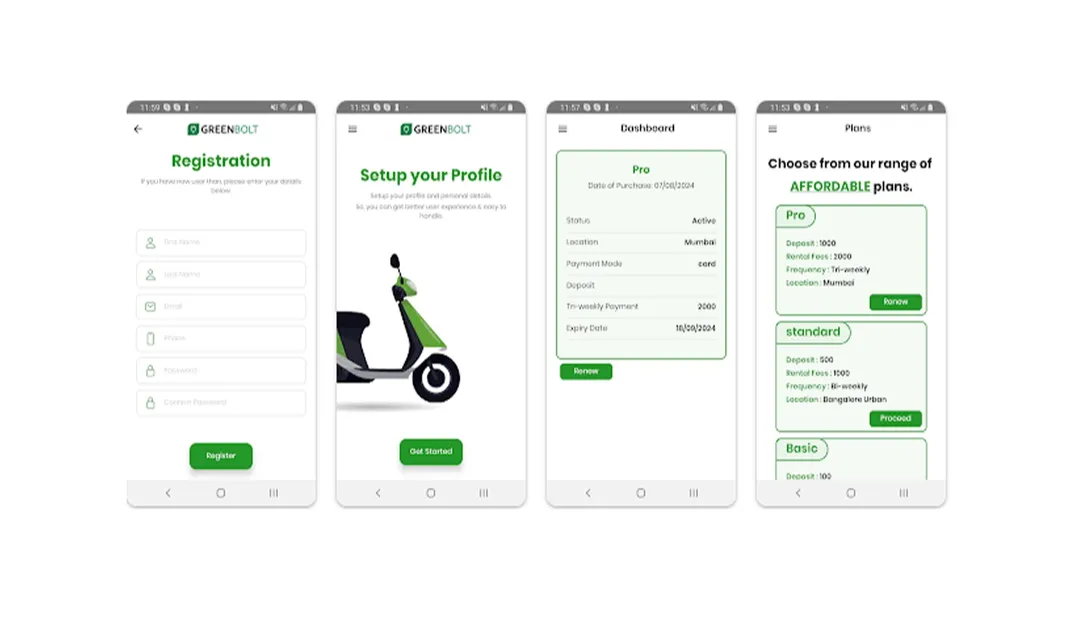
Bolt Green is the eco conscious mobility option from Bolt, a major ride hailing platform operating across Europe and Africa. It enables passengers to specifically choose electric or hybrid vehicles, combining affordability with sustainability.
Key Features:
- Low emission and eco friendly rides
- Cost effective pricing model
- Intuitive and user friendly interface
- Driver support and incentives for EV adoption
2. Cabify Eco
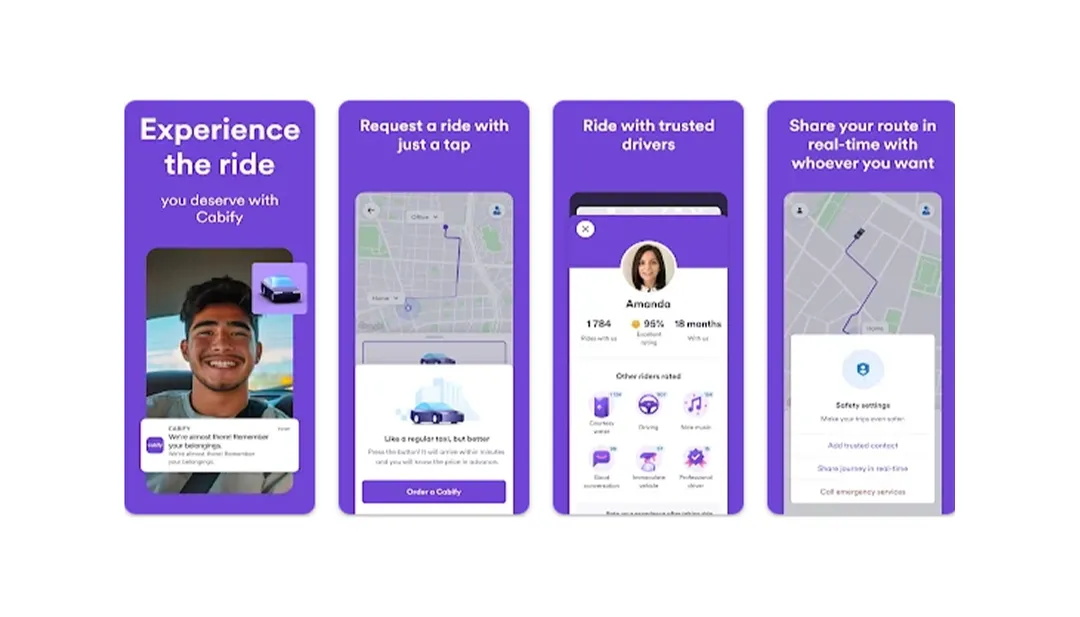
Cabify Eco is the sustainable ride option offered by Cabify, widely used in Spain and Latin America. It focuses on delivering a premium ride experience while minimizing environmental impact through electric and hybrid fleets.
Key Features:
- Green fleet with EV and hybrid vehicles
- Carbon footprint reduction initiatives
- Competitive pricing for sustainable rides
- Smooth and consistent user experience
3. GrabCar Electric
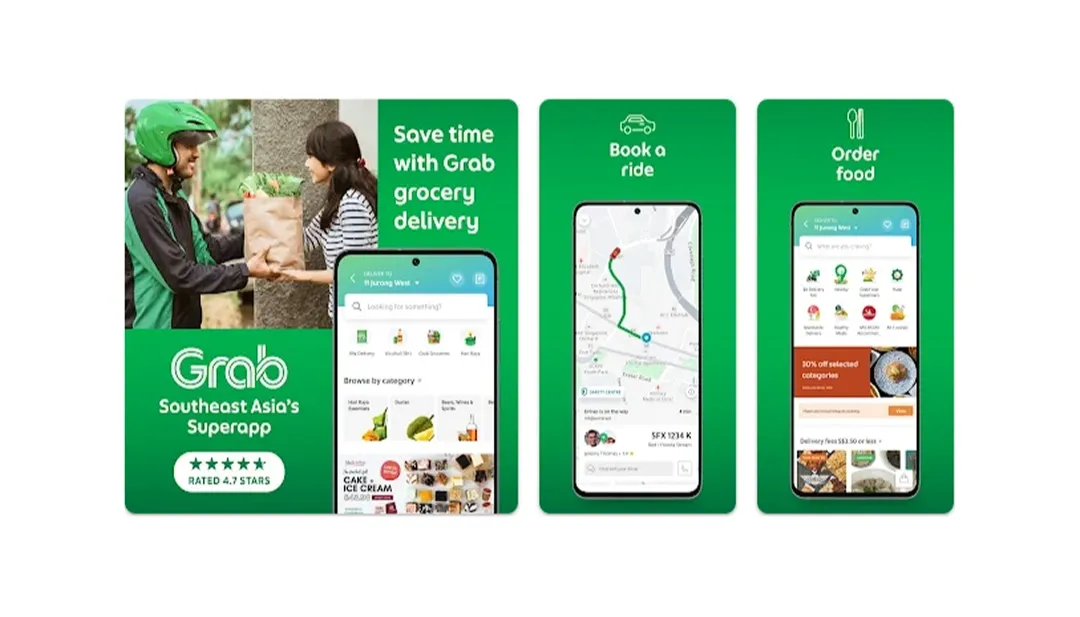
GrabCar Electric reflects Grab’s strategic push toward greener urban mobility across Southeast Asia. It allows users to book EV rides without compromising on reliability or convenience.
Key Features:
- Environmentally responsible ride options
- Reduced carbon emissions
- Affordable and accessible pricing
- Seamless in app booking experience
4. Careem Electric
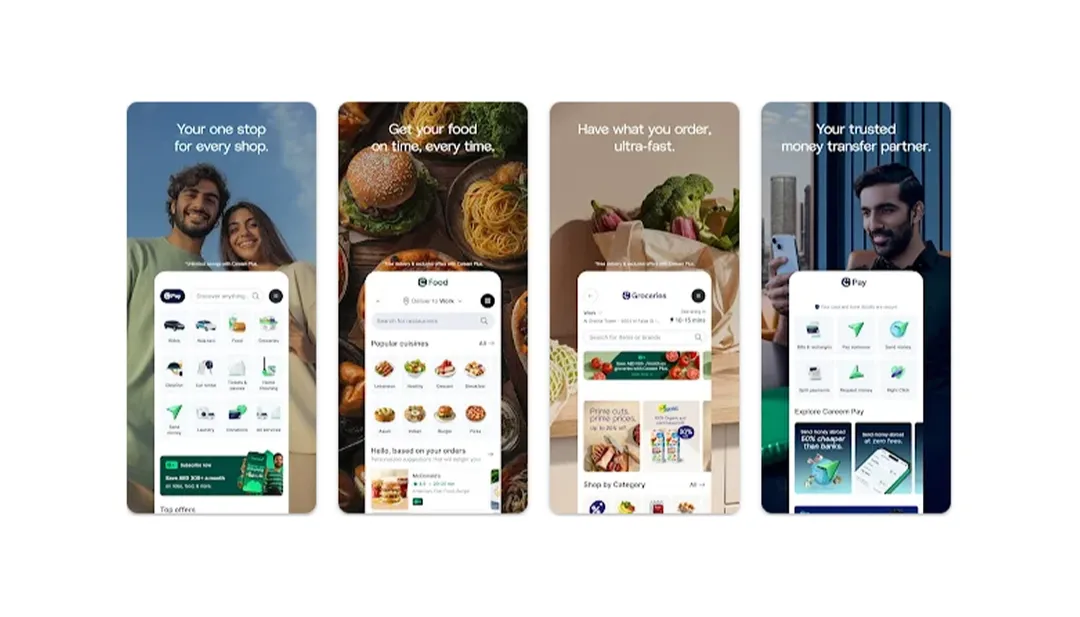
Careem Electric is the EV focused ride service from Careem, operating across the Middle East, North Africa, and South Asia. It delivers high quality service while promoting sustainable transportation.
Key Features:
- Electric vehicle fleet integration
- Smooth and efficient booking flow
- Lower emissions for urban travel
- Competitive and transparent pricing
5. Lyft Green
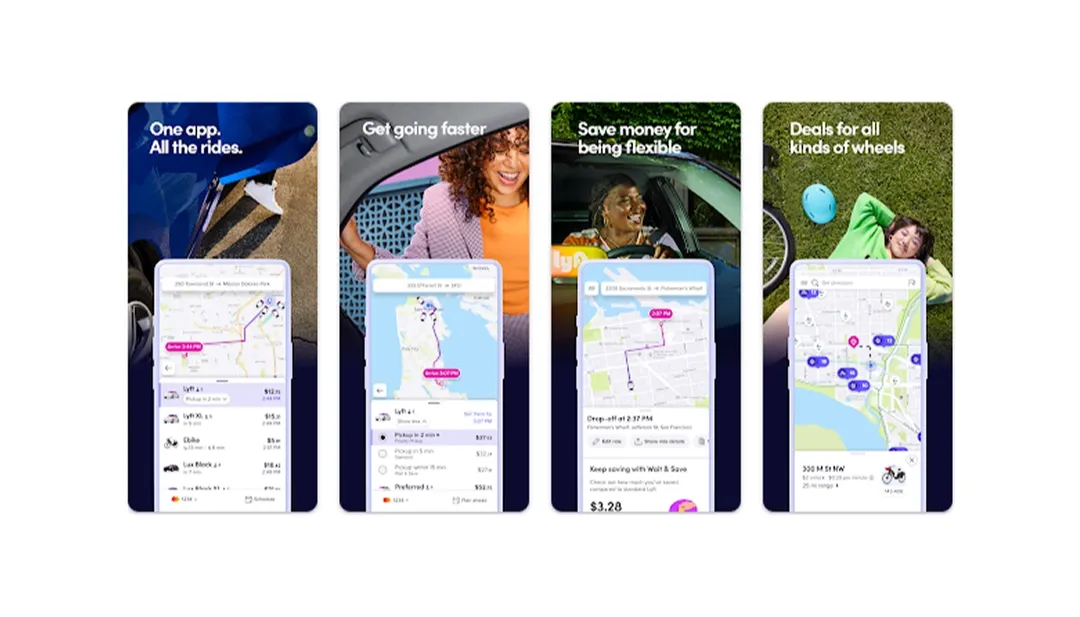
Lyft Green Mode enables riders in the United States to opt for electric or hybrid vehicles, offering a practical way to support sustainable mobility without sacrificing convenience.
Key Features:
- Access to EV and hybrid rides
- Broad availability and accessibility
- Commitment to sustainability goals
- Reduced environmental impact
6. Uber Green
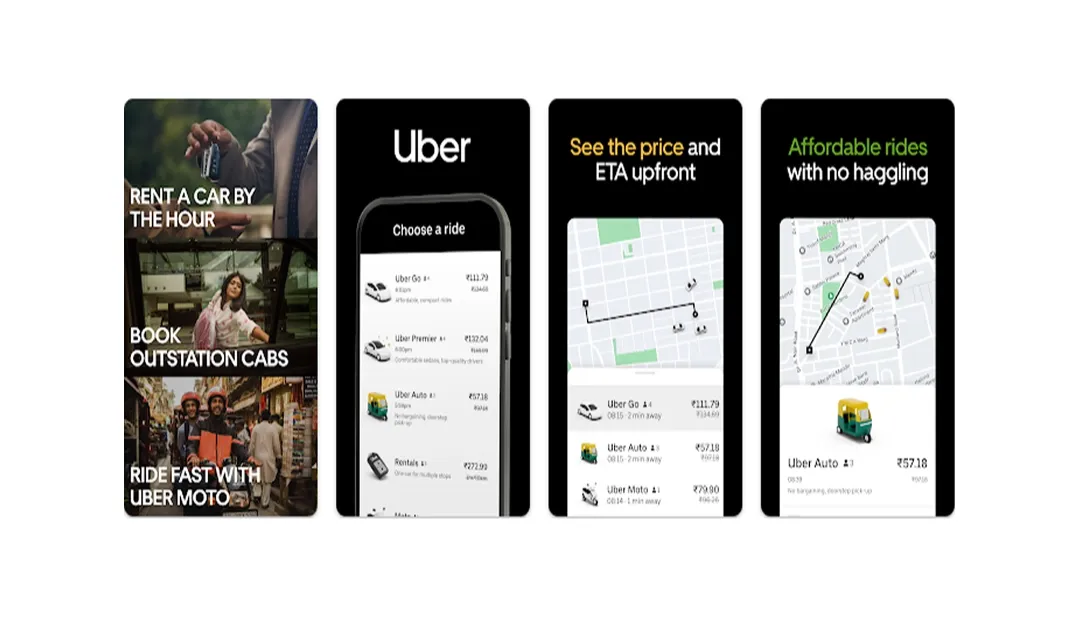
Uber Green is part of Uber’s global initiative to transition toward zero emission mobility. It allows users to select eco friendly rides within Uber’s extensive global network.
Key Features:
- Wide EV and hybrid vehicle network
- Consistent and reliable user experience
- Affordable green ride options
- Lower carbon footprint per trip
7. Ola Electric
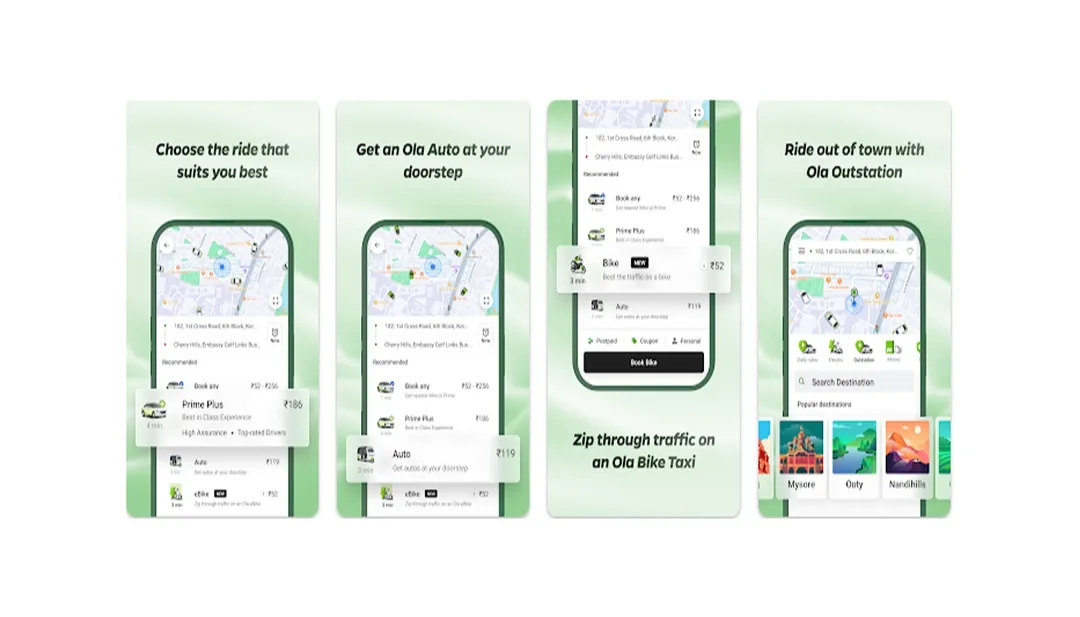
Ola Electric represents Ola’s investment in fully electric mobility solutions. It includes both electric car rides and electric bike booking services, supporting a cleaner transportation ecosystem.
Key Features:
- Fully electric fleet options
- Focus on sustainable urban mobility
- Cost effective ride solutions
- Integrated electric bike booking capabilities
8. Revel
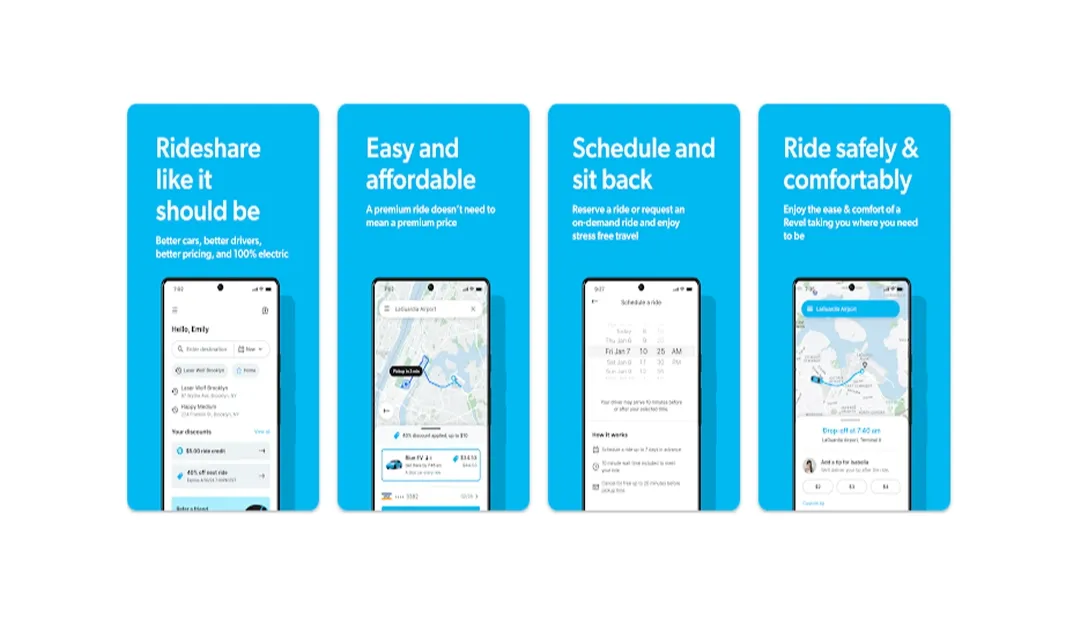
Revel is a US based ride hailing service operating exclusively with electric vehicles, primarily Tesla cars. It positions itself as a premium, sustainability first mobility provider.
Key Features:
- 100% electric vehicle fleet
- Premium ride experience
- Competitive pricing structure
- Strong commitment to zero emission transport
9. Gett Green
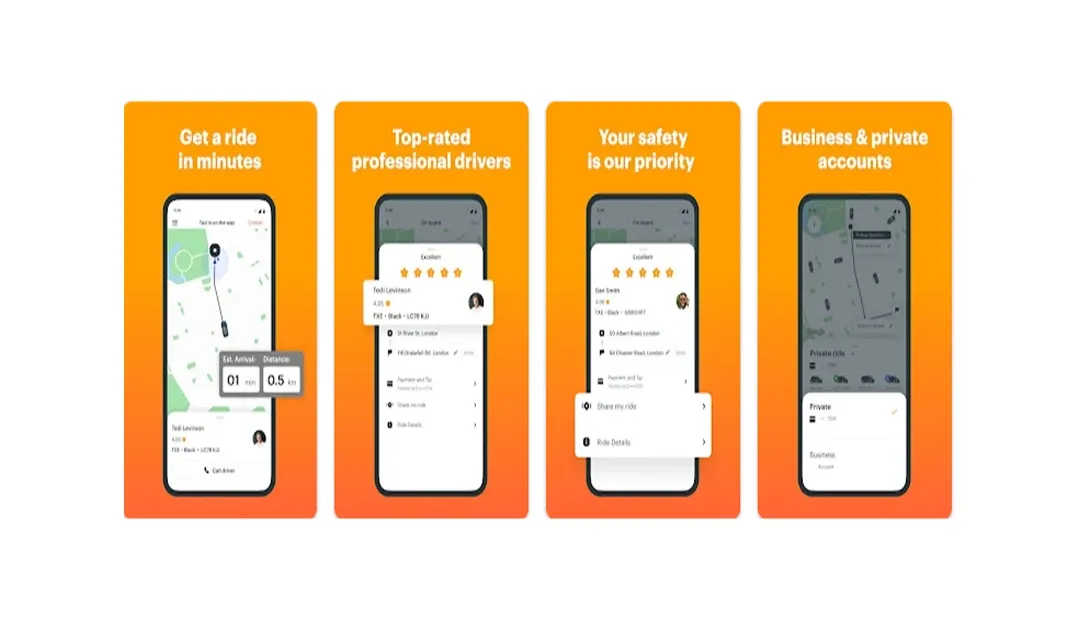
Gett Green is tailored for corporate and business transportation, offering eco friendly ride options through electric and hybrid fleets.
Key Features:
- EV and hybrid fleet for business travel
- Transparent and predictable pricing
- Efficient booking and management system
- Availability in key urban markets
10. eTuktuk
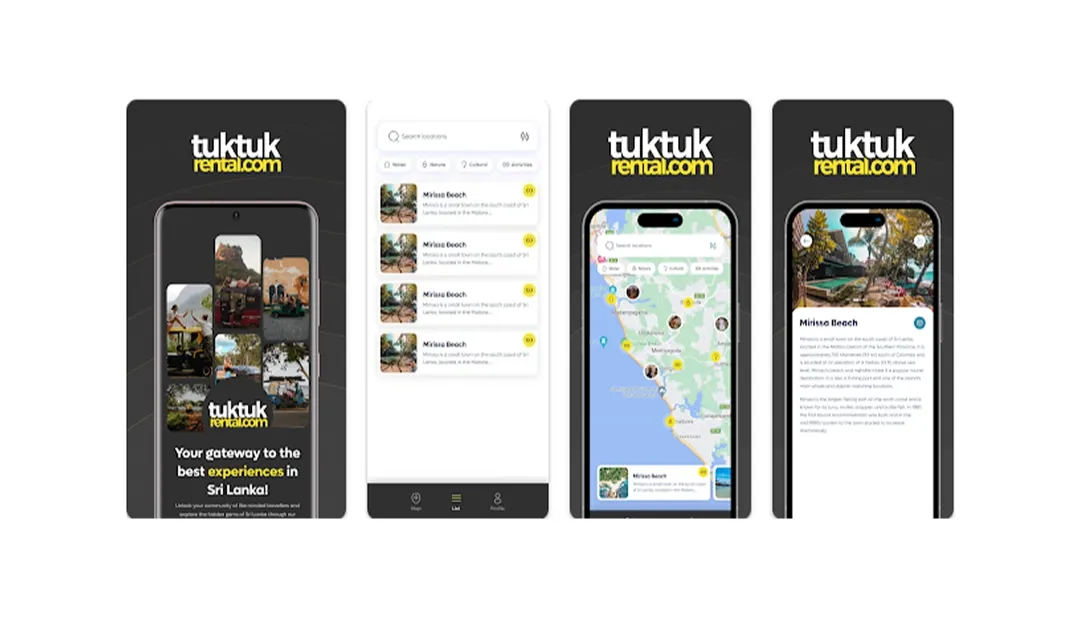
eTuktuk introduces electric tuk tuks as a sustainable alternative for short distance travel, particularly in Southeast Asia. It combines local commuting needs with eco friendly innovation.
Key Features:
- Fully electric tuk tuk rides
- Ideal for short distance urban travel
- Affordable and convenient
- Popular for both tourists and local commuters
These EV taxi booking apps illustrate how sustainability and technology can converge to redefine urban transportation. For businesses planning to build a similar solution, understanding these platforms provides valuable insights into feature prioritization, market positioning, and long term scalability.
Benefits of Investing in EV Taxi Booking App Development
Investing in EV taxi booking app development delivers measurable value across sustainability, profitability, and long term scalability. For businesses partnering with a mobile app development company or leveraging a reliable IT outsourcing service, this space presents a strong opportunity to launch fast with an MVP, validate demand, and scale efficiently in a rapidly evolving market.
1. Environmental Sustainability
Electric vehicles significantly reduce carbon emissions compared to traditional fuel powered taxis. By building an EV taxi platform, businesses contribute to cleaner air, lower pollution levels, and a more sustainable urban ecosystem. At the same time, positioning your product around sustainability strengthens your brand image and resonates with environmentally conscious users.
2. Growing Market Demand
The global transition toward electric mobility is accelerating, supported by government incentives and infrastructure investments. Consumers are increasingly prioritizing eco friendly transportation options, making EV taxi apps a highly relevant and in demand solution. Launching an MVP early allows you to capture this demand before the market becomes saturated.
3. Cost Efficiency and Operational Savings
EV fleets typically require less maintenance due to fewer mechanical components, while electricity costs remain lower than fuel in most regions. Combined with government subsidies, tax benefits, and grants, these factors help reduce both initial investment and long term operational costs improving overall ROI.
4. Competitive Advantage
Entering the EV ride hailing market early provides a clear first mover advantage, especially in emerging regions. Businesses that adopt this model can differentiate through sustainability, build stronger brand loyalty, and attract a niche yet growing segment of eco conscious customers.
5. Regulatory Alignment and Government Support
Governments worldwide are tightening emissions regulations while actively supporting EV adoption through incentives and policy frameworks. Investing in EV taxi app development ensures compliance with future regulations and reduces the risk of operational disruptions or penalties.
6. Scalability and Future Growth
EV taxi platforms are inherently scalable, particularly in urban environments with high ride demand. As charging infrastructure expands and battery technology improves, the business model becomes even more viable. A phased approach starting with an MVP and scaling through iterative development helps optimize both cost and performance.
7. Positive Social Impact
Beyond business gains, EV taxi apps contribute to public health by reducing air pollution and noise levels. They also create new employment opportunities across development, fleet operations, maintenance, and support services driving growth within the broader green economy.
8. Enhanced Customer Experience
Modern EV taxi apps offer intuitive user experiences with features like real time tracking, seamless payments, and quick booking flows. Additionally, EV specific features such as battery range visibility or charging station mapping add unique value that differentiates your platform from traditional ride hailing apps.
9. Long Term Business Viability
Sustainability is no longer a trend it is becoming the standard. As consumer behavior and regulations continue to shift toward greener solutions, EV taxi apps are well positioned for long term relevance. Investing now helps future proof your business and ensures you remain competitive in the next generation of mobility solutions.
From a strategic standpoint, collaborating with an experienced mobile app development company or utilizing an IT outsourcing service allows you to reduce time to market, control development costs, and access specialized expertise. By starting with a lean MVP and scaling based on real user feedback, businesses can build a robust, future ready EV taxi platform with minimized risk and maximum growth potential.
How Much Does It Cost to Develop an EV Taxi Booking App?
The cost of developing an EV taxi booking app varies significantly based on scope, feature set, and technical complexity. For businesses entering this space, the most effective approach is to start with a lean MVP (Minimum Viable Product) focusing on core ride booking features then scale incrementally based on user feedback and market demand.
In general, a basic single platform application may require an investment starting from $5,000, while more advanced, feature rich, cross platform solutions can exceed $15,000+. Partnering with an experienced mobile app development company or leveraging a cost efficient IT outsourcing service can help optimize both budget and delivery timelines without compromising quality.
Estimated Development Cost by App Type
| App Type | Estimated Cost |
|---|---|
| Basic EV Taxi App | $5,000 – $8,000 |
| Medium Complexity App | $10,000 – $15,000 |
| High End EV Taxi App | $15,000+ |
Key Factors That Influence Development Cost
1. Platform Selection
Choosing between iOS, Android, or cross platform frameworks (such as Flutter or React Native) directly impacts development time and cost.
2. Features and Functional Complexity
Core features like ride booking, GPS tracking, and payments are essential for an MVP. Advanced functionalities such as AI based route optimization, real time analytics, or EV specific features will increase overall costs.
3. UI/UX Design Quality
A well designed, intuitive interface improves user retention but requires additional investment in research, prototyping, and design iterations.
4. Development Team Location
Costs vary depending on whether you hire an in house team, work with a mobile app development company, or outsource to regions with competitive pricing through an IT outsourcing service.
5. Maintenance and Ongoing Updates
Post launch support, performance optimization, feature enhancements, and security updates should be factored into the total cost of ownership.
From a strategic perspective, businesses that adopt an MVP first approach and collaborate with the right development partner can significantly reduce risk, control costs, and accelerate time to market while building a scalable EV taxi platform ready for future growth.
Conclusion
Developing an EV taxi booking app represents a strategic opportunity to align with the accelerating global demand for sustainable mobility. As electric vehicles become increasingly mainstream, launching an eco friendly ride hailing platform enables businesses to meet evolving customer expectations while positioning themselves as forward thinking and environmentally responsible market players.
By leveraging the right technology stack, prioritizing user centric features, and adopting a scalable architecture, you can build a solution that delivers both operational efficiency and superior user experience. Collaborating with an experienced mobile app development company or utilizing a trusted IT outsourcing service further ensures faster delivery, cost optimization, and access to specialized expertise.
For startups and enterprises alike, starting with a well defined MVP (Minimum Viable Product) is a practical way to validate your concept, minimize risk, and accelerate time to market. As the platform evolves, continuous enhancement and strategic scaling can transform your EV taxi app into a sustainable and profitable digital business in the rapidly growing green mobility ecosystem.
FAQs
What is the typical timeline to develop an EV taxi booking app?
The timeline usually ranges from 8 to 16 weeks for an MVP, depending on the scope, features, and platforms. More advanced solutions with AI or custom integrations may take longer.
What features should be included in an MVP for an EV taxi app?
An MVP should focus on core functionalities such as user registration, ride booking, GPS tracking, fare calculation, payment integration, and driver management. EV specific features can be added in later iterations.
How can businesses reduce EV taxi app development costs?
Cost optimization can be achieved by starting with an MVP, using cross platform technologies, and partnering with a reliable IT outsourcing service or experienced mobile app development company.
Which technologies are commonly used in EV taxi app development?
Popular choices include Flutter or React Native for front end development, Node.js or Java for backend systems, cloud platforms like AWS or Azure, and third party APIs for maps and payments.
Should I build the app in house or outsource it?
Outsourcing to a professional mobile app development company is often more efficient, especially for startups, as it provides access to experienced teams, faster delivery, and lower operational overhead.
What makes EV taxi apps different from traditional taxi apps?
EV taxi apps incorporate additional features such as battery monitoring, charging station integration, eco ride selection, and carbon emission tracking enhancing both usability and sustainability.
How do EV taxi apps generate revenue?
Common monetization models include commission per ride, surge pricing, driver subscriptions, in app advertising, and partnerships with EV infrastructure providers.
Can an EV taxi app scale to multiple cities or countries?
Yes. With a cloud based, scalable architecture, EV taxi apps can expand across regions. Starting with an MVP helps validate one market before scaling globally.
What are the biggest challenges in EV taxi app development?
Key challenges include managing charging infrastructure, ensuring vehicle availability, integrating real time data systems, and complying with local regulations.
Is EV taxi app development a good investment in the long term?
Yes. With increasing EV adoption, regulatory support, and rising demand for sustainable transport, EV taxi apps are considered a future proof and high growth investment.
Latest Articles
View All
Top Features That Make A Taxi Booking App Stand Out In 2026
Building a standout taxi booking app in 2026 requires a forward-looking tech strategy. From AI-driven personalized booking and real-time IoT telematics to scalable cloud-native engineering, HomeNest Software highlights the essential features and technical recommendations needed to boost user retention, optimize fleet operations, and dominate the modern mobility market.
How Much Does It Cost To Develop A Food Delivery App Like Zomato?
Discover the complete cost breakdown and technical roadmap to build a Zomato-like food delivery app with HomeNest Software. This guide explores budget tiers, the essential 4-panel architecture (Customer, Merchant, Driver, Admin), modern tech stack recommendations, and proven monetization strategies. Learn how HomeNest Software transforms your digital platform vision into a scalable, high-yielding business asset!

GitHub vs GitLab – Architecture and Selection Guide
Managing source code requires stable infrastructure. Automating software releases requires reliable pipelines. Tool sprawl creates operational complexity. Engineering teams face friction when using fragmented DevOps tools. Selecting between GitHub and GitLab shapes long term development efficiency.
The True Cost of an Employee: A Complete Breakdown for Employers
This article reveals that the true cost of an employee is typically 25% to 40% higher than their base salary due to hidden expenses like taxes, benefits, workspace, and recruiting. To address this, the guide provides a detailed 7-step framework to accurately calculate total employer costs, alongside actionable strategies to optimize budgets and improve retention without reducing pay.
Essential Tips To Develop A Music Streaming App
Discover expert tips to develop a successful music streaming app with HomeNest Software. This guide covers essential features, legal licensing, and scalable technology stacks. Learn how to build a robust, cross-platform application with AI personalization to stand out in the 2026 competitive audio market.

How to Build a Language Learning App Like Cake
Discover how to build a successful language learning app like Cake with this comprehensive guide from HomeNest Software. We explore market research, essential MVP features, advanced AI integrations, tech stack selection, and estimated development costs. Partner with HomeNest Software to create a scalable, gamified, and highly engaging educational platform tailored to your business goals. Start your app development journey with us today.